


Oats are a versatile and nutritious grain that have been a staple in diets for centuries. Whether in the form of whole grain or flour, oats are a whole grain that's easy to work into almost any diet. This article will explore what oats offer, from their nutritional content to the ways they can be incorporated into meals and snacks.
Understanding Oats: Grain and Flour
What are Oats?
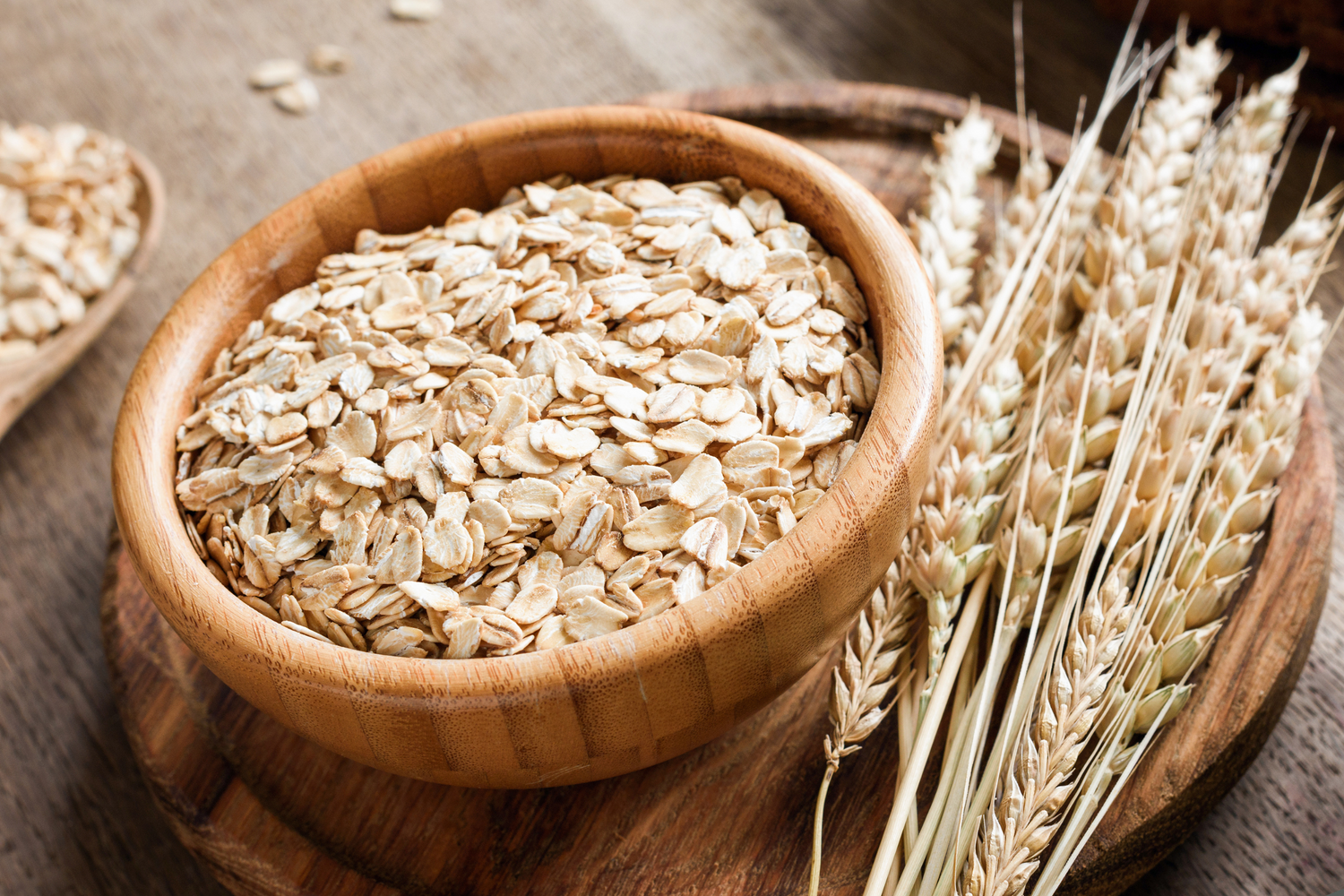
Oats are a type of cereal grain that are most commonly consumed in the form of rolled oats, oatmeal, or oat flour. They are a good source of whole-grain carbohydrates, protein, and fiber, making them a filling and satisfying food.
In addition to being a nutritious food, oats have a rich history. They were first cultivated in Europe around 1000 B.C. and were used primarily as animal feed. However, by the Middle Ages, oats had become a staple food for people in Scotland and other parts of Northern Europe.
Today, oats are grown in many parts of the world, including the United States, Canada, and Australia. They are used in a variety of foods, including breakfast cereals, granola bars, and baked goods.
Oat Grain vs Oat Flour
Oat grain is the whole oat seed, while oat flour is made by grinding the whole oat grain into a fine powder. Both types of oats have similar nutritional profiles, although oat flour may be slightly lower in fiber and higher in calories per serving due to its more concentrated nature.
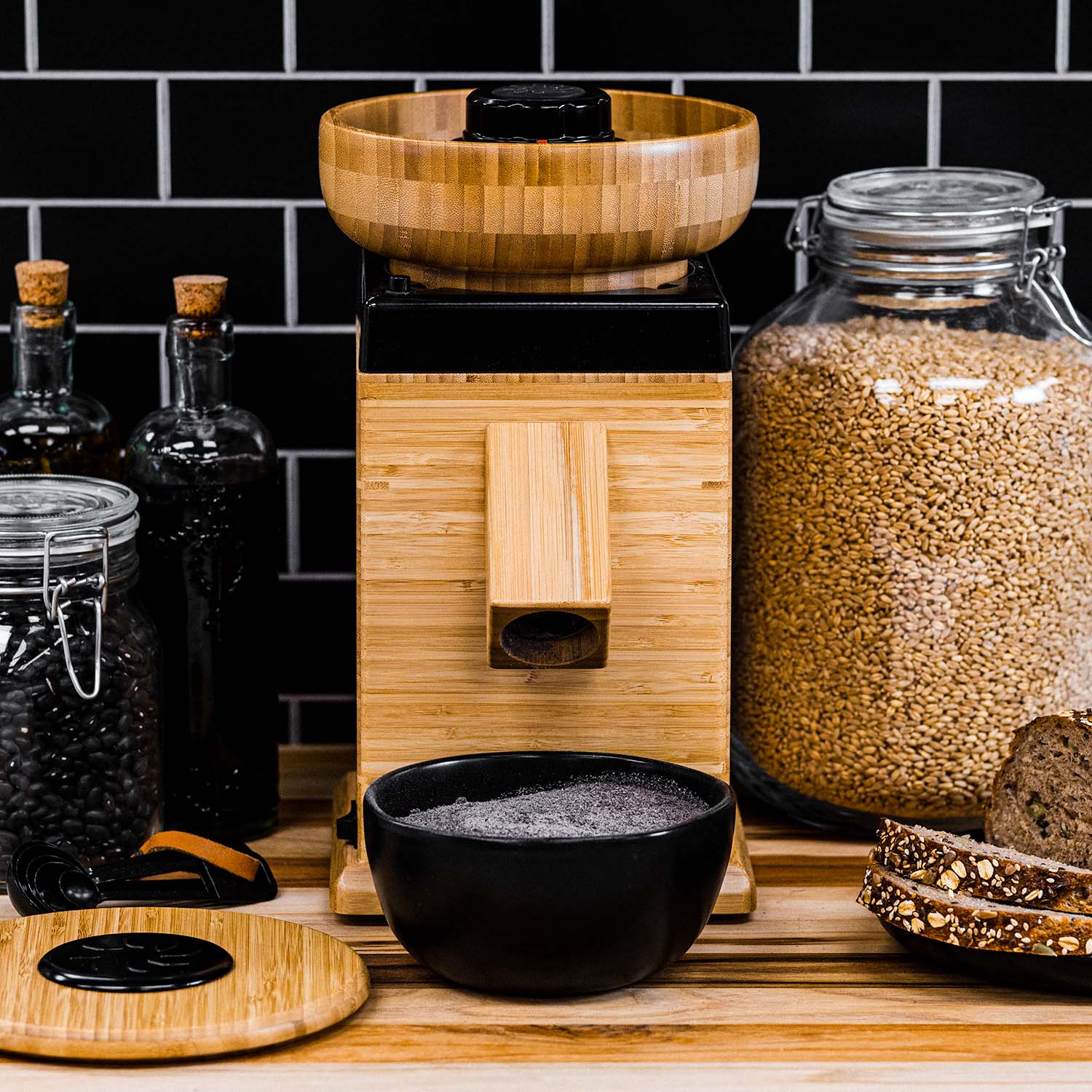
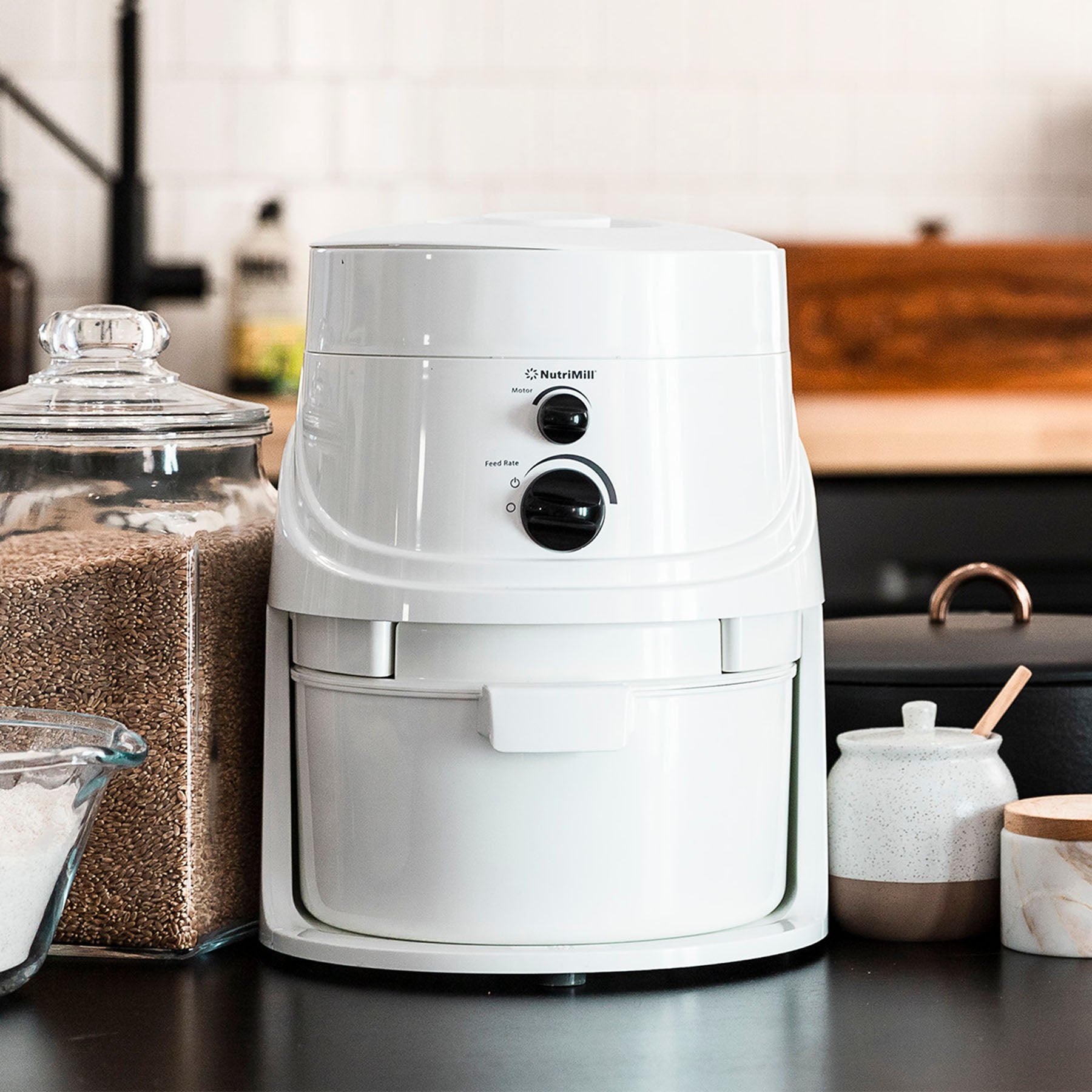
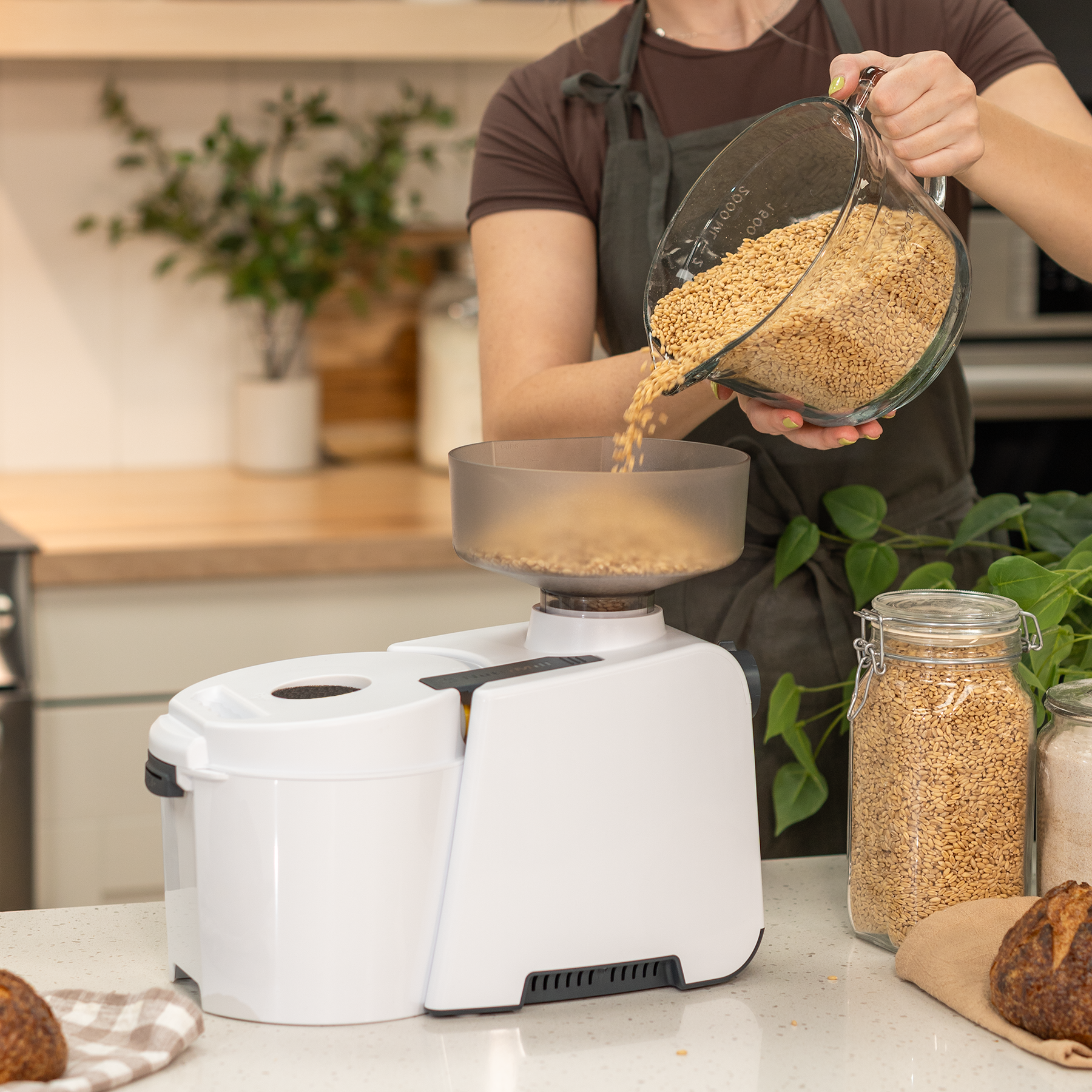
While oat grain is often used in savory dishes such as soups and stews, oat flour is a popular ingredient in baking. It can stand in for wheat flour in many recipes, and it's a nice way to cut back on refined grains. Oats don't naturally contain gluten, but they're often grown and processed alongside wheat. If you need gluten-free, buy certified gluten-free oats and mill them in a mill that has never touched wheat.
Oats are also the subject of an FDA-authorized health claim: diets low in saturated fat and cholesterol that include 3 grams of soluble fiber from whole oats per day may reduce the risk of heart disease (21 CFR 101.81).
Overall, whether you prefer oat grain or oat flour, oats are an easy grain to cook and bake with.
Nutritional Profile of Oats
Oats are a versatile and nutritious food that can be enjoyed in a variety of ways. Whether you prefer them as a warm bowl of oatmeal in the morning or as a crunchy granola topping, oats are an easy addition to any diet.
Macronutrients
One of the key benefits of oats is their rich content of complex carbohydrates. These carbohydrates provide a steady source of energy throughout the day, making them an ideal food for athletes and active individuals. Oats are also a great source of plant-based protein, which is essential for building and repairing muscle tissue. They also contain a small amount of unsaturated fat.
Vitamins and Minerals
Oats contain some vitamin E along with iron, zinc and several B vitamins. Iron is important for the production of red blood cells, and zinc is essential for immune function. The B vitamins in oats include thiamin, riboflavin, and niacin, which play a role in energy metabolism.
Fiber Content
One of the most impressive benefits of oats is their exceptionally high fiber content. Oats contain both soluble and insoluble fiber. Soluble fiber (beta-glucan) forms a gel as it digests, which is what gives oatmeal its creamy texture. Insoluble fiber, on the other hand, adds bulk to the stool and can help prevent constipation.
Whether you enjoy them as a warm bowl of oatmeal or as a crunchy topping on your yogurt, oats are a delicious whole grain to keep in the pantry.
What Makes Oats Special
Oats bring fiber, protein, vitamins, minerals and antioxidants to the table, and they're delicious and versatile.
Soluble Fiber
Oats are best known for their soluble fiber, beta-glucan. Per the FDA-authorized claim, diets low in saturated fat and cholesterol that include 3 grams of soluble fiber from whole oats per day may reduce the risk of heart disease. Check the nutrition label on your oats for the soluble fiber per serving.
Oats also contain a unique group of antioxidants called avenanthramides.
Filling and Satisfying
With their fiber and protein, oats are filling, which is one reason a bowl of oatmeal makes a satisfying breakfast.
Oats are naturally low in fat and mostly complex carbohydrate.
Fiber for Digestion
The insoluble fiber in oats adds bulk to stools and can help prevent constipation. Oat fiber is also a prebiotic, meaning it feeds the bacteria that live in your gut.
Incorporating Oats into Your Diet
Oats are a versatile and nutritious grain that can be incorporated into your diet in many ways. They bring fiber, protein and whole-grain flavor to any meal. Here are some ideas for incorporating oats into your diet:
Breakfast Options
One of the most common ways to consume oats is in the form of oatmeal. There are countless oatmeal recipes available online, ranging from savory to sweet. You can add fresh fruit, nuts, and honey to your oatmeal to make it more flavorful and nutritious. Overnight oats, which require minimal preparation, can also make a great breakfast option. Simply mix oats with milk or yogurt and let it sit in the fridge overnight. In the morning, add your favorite toppings and enjoy a healthy and delicious breakfast.
Baking with Oat Flour
Oat flour works in many baked goods. For a gluten-free bake, start with certified gluten-free oats and a dedicated mill. Oat flour also adds a nutty flavor and texture to muffins, pancakes, and other baked goods. Try making oat flour banana bread or oat flour chocolate chip cookies for a nutty, whole-grain twist on your favorite treats.
Savory Dishes
While oats are often associated with sweet breakfast foods, they can also be used in savory dishes. Oat-based veggie burgers, meatballs, and soups are all possibilities. Oats can add texture and flavor to these dishes while also providing a healthy dose of fiber and protein. Try making oat and lentil soup or oat-crusted chicken for a delicious and nutritious meal.
Snack Ideas
Oats make a great snack option when combined with other healthy ingredients. Granola bars, energy balls, and homemade trail mix can all be made with oats. These snacks are perfect for on-the-go or as a mid-day pick-me-up. Try making no-bake oat and nut energy balls or homemade granola bars with oats, nuts, and dried fruit for a healthy and satisfying snack.
Work oats into your day in a few different ways and you'll get plenty of whole-grain goodness along with delicious meals and snacks.
Conclusion
Oats are a versatile whole grain that fits into breakfast, baking and snacks. Get creative with how you use them and you'll never get bored of this pantry staple.
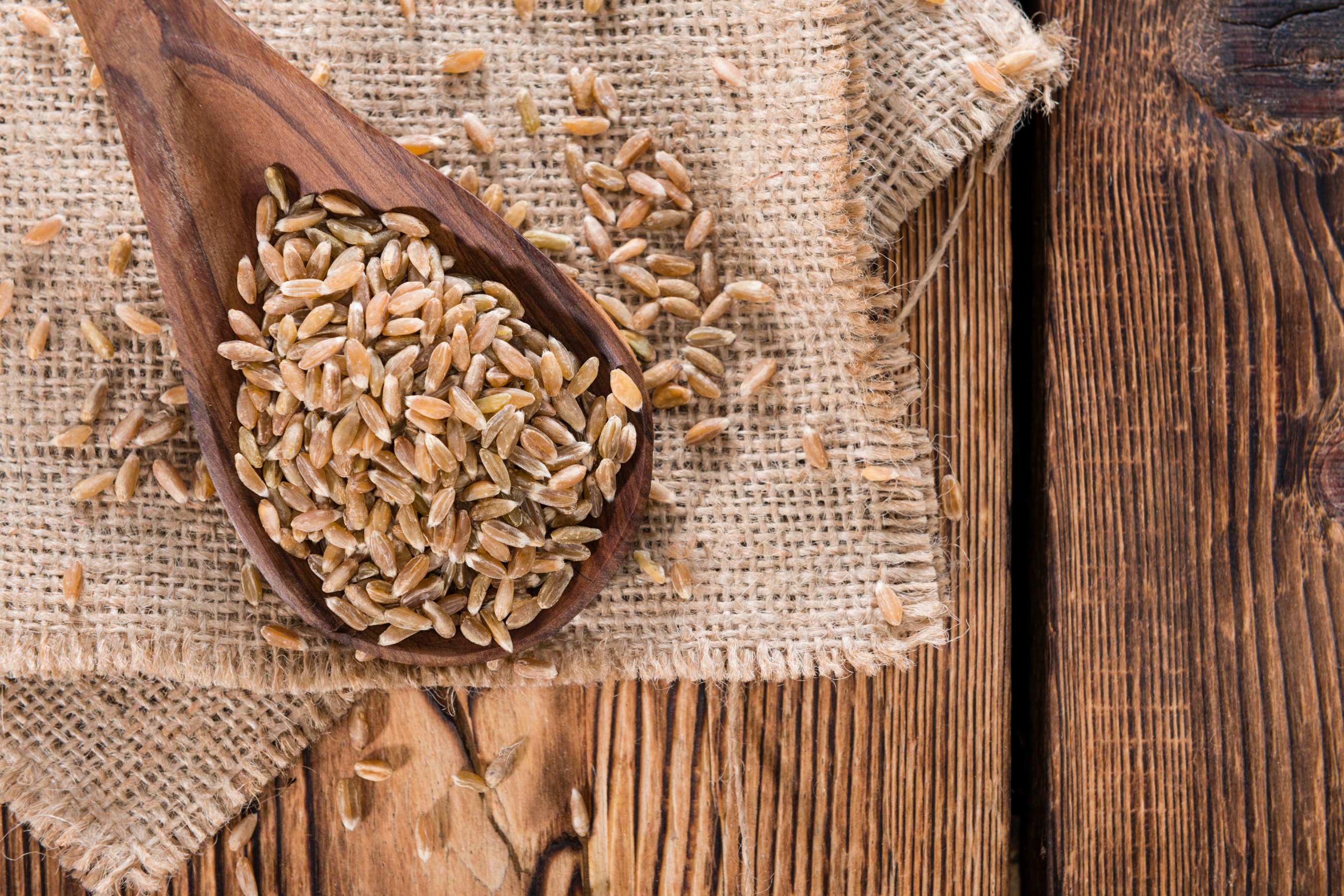
A note on gluten-free baking: a grain mill that has milled wheat, rye, barley, spelt, or Kamut can carry traces of gluten into other grains. If you are baking for someone with celiac disease, use a mill dedicated to gluten-free grains and buy certified gluten-free grains.
This post is for general information only and is not medical or nutrition advice. Everyone is different, so talk with your doctor or a registered dietitian before changing your diet, especially if you have celiac disease, diabetes, food allergies, or another health condition.

Leave a comment
All comments are moderated before being published.
This site is protected by hCaptcha and the hCaptcha Privacy Policy and Terms of Service apply.