






Kamut grain and flour have become increasingly popular for their rich, buttery flavor and unique characteristics. In this article, we’ll explore the origins and nutritional profile of kamut, compare it to other grains, and give you tips on how to incorporate it into your diet.
What is Kamut Grain?
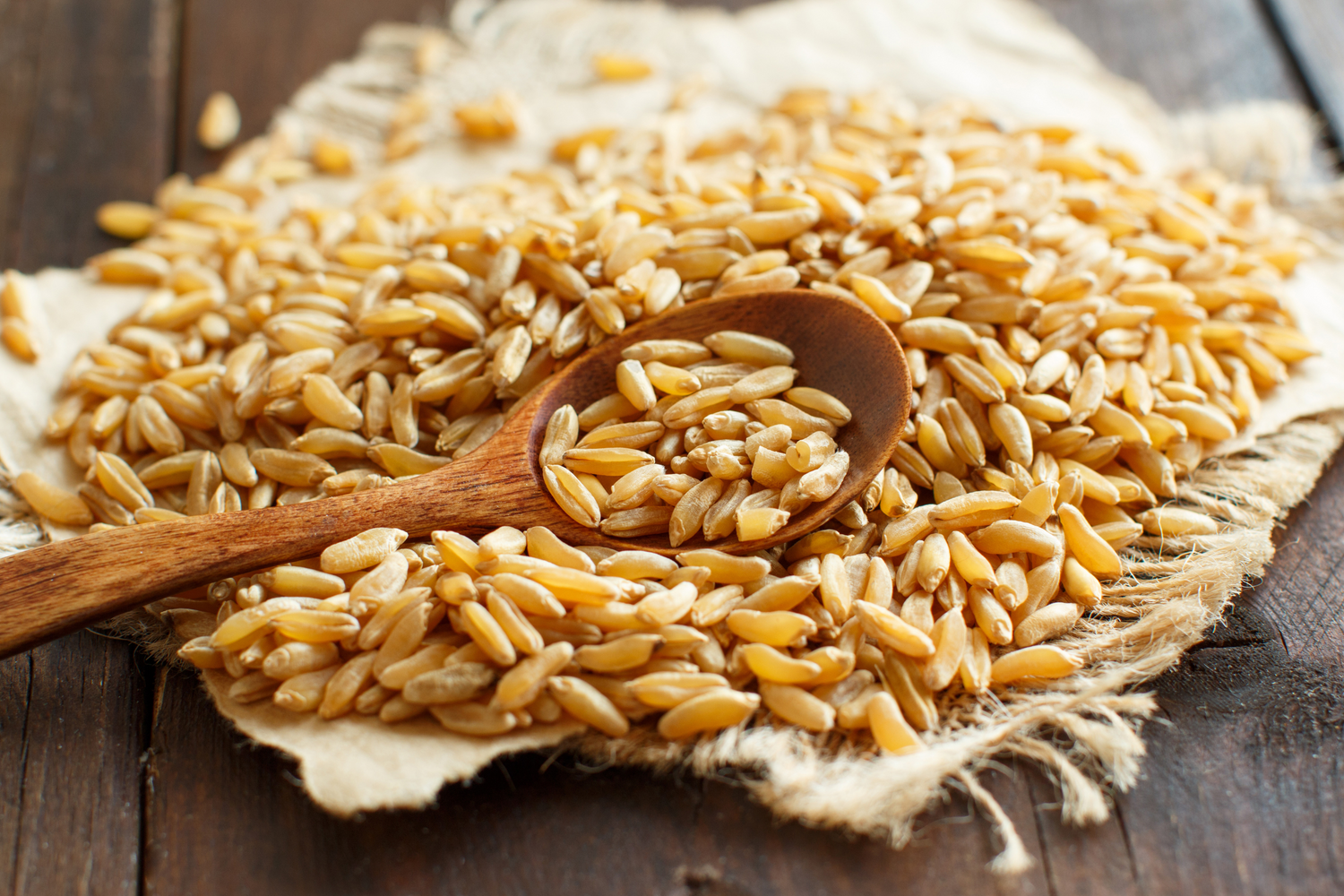
Kamut is a type of ancient grain that is known for its large size and rich flavor. Its scientific name is Triticum turgidum subsp. turanicum, and it is also commonly referred to as Khorasan wheat. Kamut is a member of the wheat family, but it has a unique genetic makeup that sets it apart from other wheat varieties. Its grain is two to three times larger than the traditional wheat grain, and its husk is harder than modern wheat's.
Origins and History of Kamut
Kamut has a rich history that dates back to ancient Egypt. According to legend, kamut was discovered in a tomb in Egypt and was brought to the United States in the 1940s by a U.S. Airman who obtained it from a farmer in Egypt. Since then, kamut has been grown primarily in Montana, where it is now a popular crop for organic farmers.
One of the reasons kamut has become so popular is due to its unique flavor profile. It has a nutty, buttery taste that is unlike any other grain. It's perfect for use in bread, pasta, and other baked goods, and it's also great as a side dish or in salads.
Additionally, Kamut is typically grown organically in Montana.
Nutritional Profile of Kamut Grain
Kamut provides protein, fiber, vitamins, and minerals. It is gluten-containing, which means that individuals with gluten intolerance or celiac disease should avoid it. Here is a breakdown of the nutritional values found in kamut:
- Protein: Kamut is higher in protein than many modern wheats. This makes it an excellent choice for vegetarians and vegans who are looking to increase their protein intake.
- Fiber: Kamut provides both soluble and insoluble fiber.
- Minerals: Kamut is a source of magnesium, potassium, and zinc.
- Vitamins: Kamut contains thiamin, niacin, and vitamin B6.
Overall, kamut’s unique flavor and texture make it a great addition to any meal.
What’s in Kamut Grain and Flour
This ancient grain has been around for thousands of years and is known for its nutty flavor and chewy texture. Here is a closer look at what it brings:
Protein and Fiber
Kamut is a good source of protein and fiber, which makes it a handy grain for vegetarian and vegan cooking.
Minerals
Kamut is a source of magnesium and potassium.
Zinc and Vitamin E
Kamut is a source of zinc and vitamin E.
Antioxidants
Kamut contains naturally occurring phenolic antioxidants.
In conclusion, kamut is a delicious grain to add to your baking rotation. So why not try adding kamut flour to your baked goods or cook up some kamut grain for a tasty meal?
Kamut vs. Other Grains
How does Kamut stack up against wheat, oats, and rice? Let's take a closer look.
Comparing Nutritional Values
- Compared to wheat: Kamut generally has more protein than modern wheat.
- Compared to oats: Kamut has more protein than oats, with a similar amount of fiber.
- Compared to rice: Kamut has considerably more protein than rice.
Gluten Content and Allergies
It's important to note that Kamut is not gluten-free. Kamut is wheat and contains gluten. If you have a wheat allergy or celiac disease, do not eat it.
Flavor and Texture Differences
Kamut also has a distinct flavor and texture that sets it apart from other grains.
Kamut has a nutty and buttery flavor that can add depth to a variety of dishes. Its unique taste makes it an ideal substitute for recipe ingredients that call for wheat.
In addition to its flavor, Kamut's texture is also different from wheat. Kamut is chewier and heartier, which can add a satisfying texture to dishes like salads, soups, and stews.
Whether you're looking to add more plant protein to your diet or simply switch up your grain game, Kamut is worth a try.
How to Incorporate Kamut into Your Diet
Kamut is an ancient grain that has been around for thousands of years. It is a good source of protein and fiber, along with minerals and vitamins. Kamut is also known for its nutty, buttery flavor and its versatility in cooking and baking.
Cooking with Kamut Grain
Kamut grain can be used in a wide range of recipes, such as risottos, soups, casseroles, or even salads. It can be cooked on its own or mixed with other grains like rice or quinoa. Kamut grain is a great source of protein, making it an ideal ingredient for vegetarian and vegan meals. It is also a good source of fiber.
One way to cook kamut grain is to boil it in water or broth until it is tender. You can then add it to your favorite recipes, such as a vegetable stir-fry or a hearty soup. Kamut grain can also be used as a base for grain bowls, topped with roasted vegetables, avocado, and a flavorful dressing.
Baking with Kamut Flour
Kamut flour is a great alternative to wheat or all-purpose flour in baking recipes. It has a slightly sweet, nutty flavor that can add depth to your baked goods. Kamut flour is also high in protein, making it a great choice for bread and other baked goods that require a strong structure.
You can substitute kamut flour for wheat or all-purpose flour in almost any recipe, including bread, muffins, pancakes, and cookies. Kamut flour makes a flavorful whole-grain pizza dough.
Kamut-Based Products and Recipes
There are a wide variety of kamut-based products available in the market, including cereals, pasta, bread, granola bars, crackers, and more. These products are a great way to incorporate kamut into your diet without having to cook it from scratch.
Kamut-based pasta is a great alternative to traditional wheat pasta. It has a slightly nutty flavor and a firm texture that holds up well in sauces. Kamut-based bread is also a great alternative to traditional wheat bread. It has a denser texture and a nutty flavor that pairs well with a variety of toppings.
Summary
Kamut is a versatile grain that can be used in a variety of recipes. It is a good source of protein, fiber, and minerals. Whether you cook with kamut grain, bake with kamut flour, or use kamut-based products, it is an easy grain to enjoy.
This post is for general information only and is not medical or nutrition advice. Everyone is different, so talk with your doctor or a registered dietitian before changing your diet, especially if you have celiac disease, diabetes, food allergies, or another health condition.


Leave a comment
All comments are moderated before being published.
This site is protected by hCaptcha and the hCaptcha Privacy Policy and Terms of Service apply.