Are you tired of buying flour that lacks flavor and nutrition? Have you ever considered home-milling your grains? NutriMill is leading the grain revolution with their innovative technology that allows you to mill grains in the comfort of your own home. In this article, we'll explore the history of grain milling, NutriMill's technology, the advantages of home milling, and their product lineup.
The history of grain milling
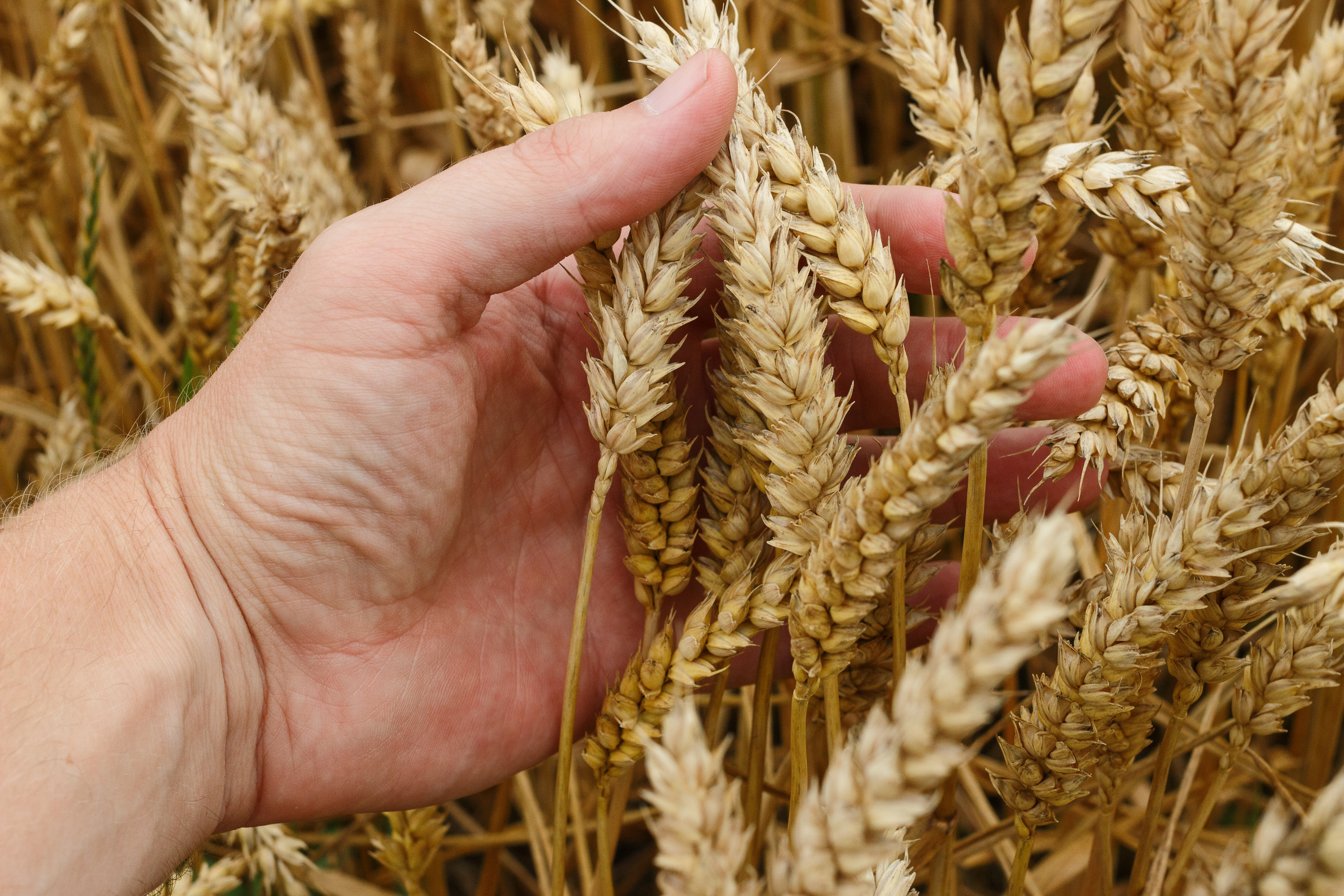
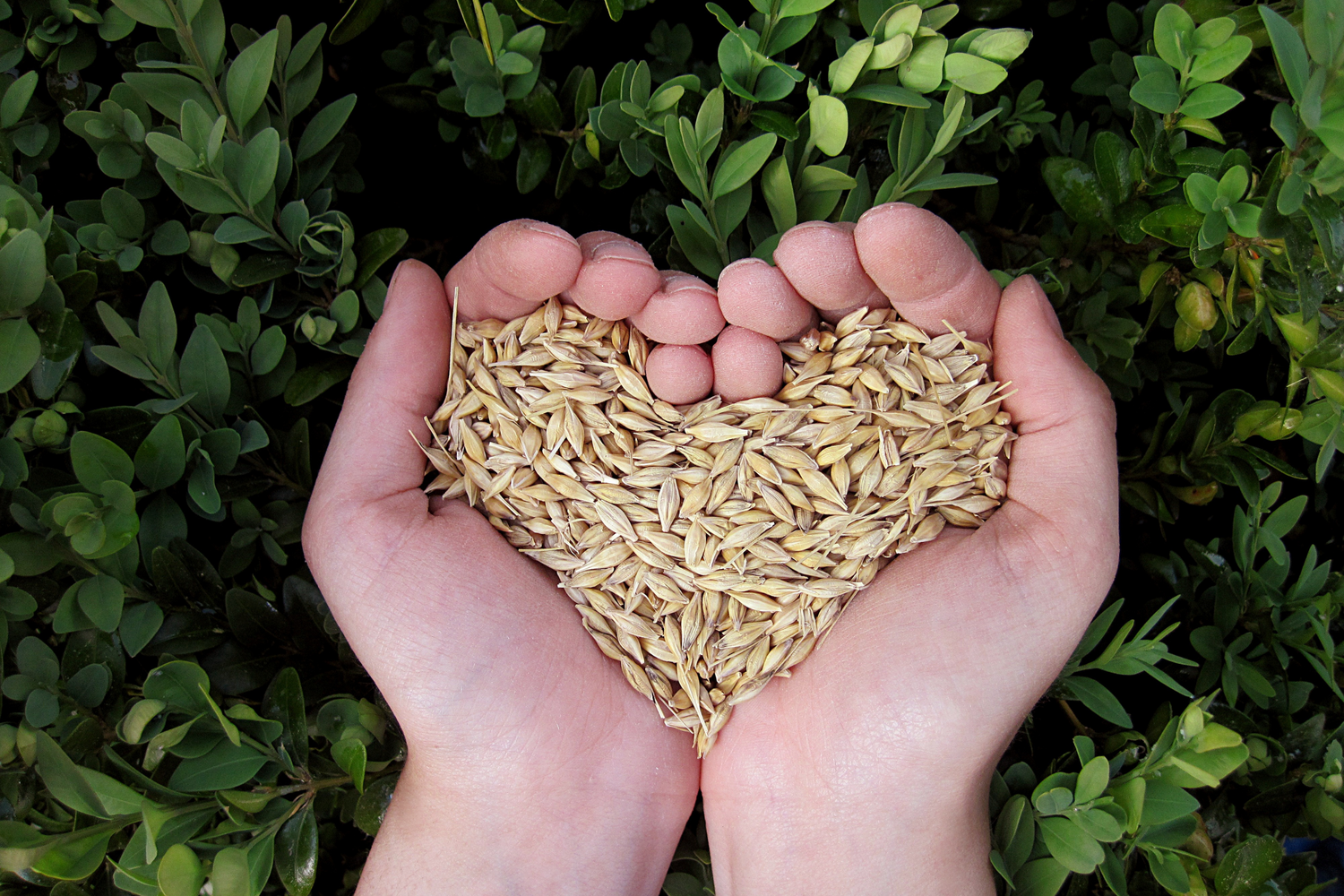
Grain milling has been a vital aspect of human civilization for over 10,000 years. Initially, people used stones to grind grain, but it was an inefficient and slow process. Later, the advent of water and windmills made the process more efficient, but it wasn't until the industrial revolution that the modern milling techniques were developed.
Throughout history, grain milling has played a significant role in the development of human society. It allowed people to produce flour, which became a staple food in many cultures. The ability to mill grain also led to the creation of new industries, such as baking and brewing.
Traditional milling methods
Traditional stone milling grinds the whole kernel between two stones, bran and germ included. Later, industrial roller milling was designed to separate the bran and germ from the endosperm to make white flour, which changes both flavor and fiber content.
Traditional milling methods are still used in many parts of the world. In many cultures, the process of grinding grain is seen as an important part of their heritage and traditions. Some people also argue that stone-ground flour has a better taste and texture than modern flour.
The rise of modern milling technology
Roller milling is fast and efficient, but it's designed to separate out the bran and germ, so the resulting white flour is mostly starch.
However, in recent years, there has been a growing movement towards whole grain flour, which includes the bran and germ of the grain. Whole grain flour has more fiber and a fuller flavor than white flour. Some modern mills have also started using techniques such as cold milling, which keeps the flour cooler during the process.
Overall, the history of grain milling is a fascinating one that has had a significant impact on human society. As we continue to develop new technologies and techniques, it will be interesting to see how the process of milling grain evolves in the future.
Understanding NutriMill's innovative technology
NutriMill's innovative technology is known as micronizing technology. This process grinds the grains into very fine particles while preserving the germ, bran, and endosperm of the grain. The result is a fine, fluffy whole-grain flour that keeps the whole kernel in your bake.
But how does micronizing technology work? Essentially, the grains are ground into small particles in a chamber and then passed through a micronizing chamber where they are further broken down into even finer particles. This two-step process is what sets NutriMill apart from other grain mills and results in the high-quality flour that NutriMill is known for.
How NutriMill grinders work
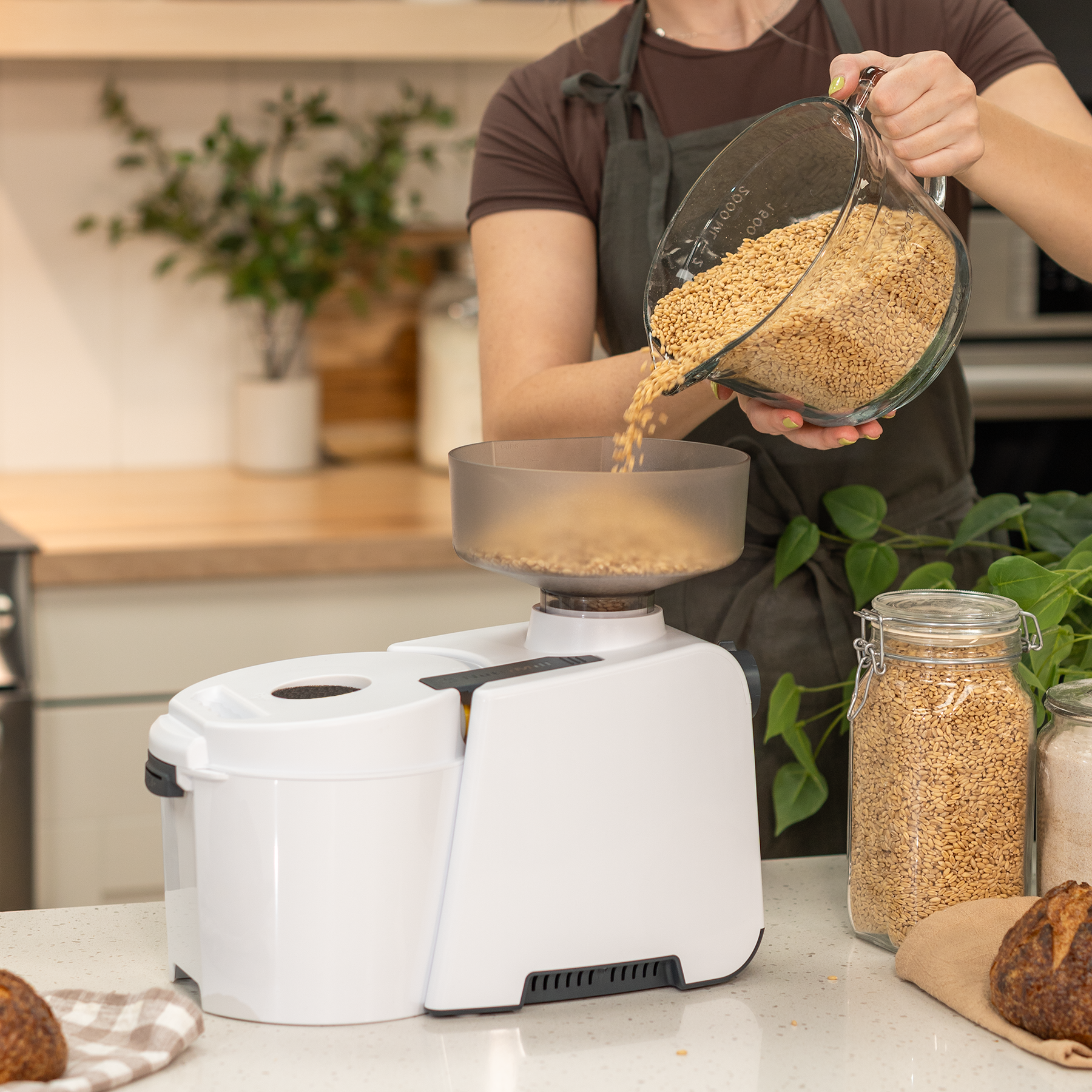
NutriMill grinders are designed to be easy to use. The grain is fed through a hopper into the grinding chamber, where it is ground into small particles by the milling mechanism. The flour is then passed through the micronizing chamber, where it is further broken down into very fine particles.
One of the key features of NutriMill grinders is that they are designed to be efficient and fast. The powerful motor and durable grinding mechanism allow the grinder to quickly and easily produce high-quality flour.
The benefits of micronizing technology
NutriMill's impact chamber is airflow-cooled to keep flour temperatures moderate, and because you mill the whole kernel, the bran and germ (with their fiber and natural oils) end up in your flour.
Another benefit of micronizing technology is that it produces flour that is finer in texture and more consistent in quality. This makes it ideal for baking and cooking, as it produces a more uniform product that is easier to work with.
Finally, NutriMill's micronizing technology produces flour that retains the natural flavor and aroma of the grain. This means that baked goods made with NutriMill flour have a richer, more complex flavor than those made with commercial flour.
In conclusion, NutriMill's innovative micronizing technology is a game-changer in the world of grain milling. By producing high-quality flour that keeps the whole grain, its flavor, and a fine texture, NutriMill grinders are the perfect choice for anyone who wants to bake and cook with the best ingredients possible.
The advantages of home milling with NutriMill
Home milling with NutriMill offers many benefits that both novice and experienced bakers will appreciate. But did you know that there are even more advantages to home milling with NutriMill? Read on to discover how home milling can improve your baking.
Improved taste and nutrition
When you mill your grain at home with NutriMill, you reap the benefits of fresh, nutrient-rich flour that is full of flavor and aroma. Fresh flour tastes noticeably better, and because it's milled minutes before baking, it hasn't spent months on a shelf.
Additionally, since you're milling the whole grain, the bran and germ (and their fiber) stay in your flour. White flours have the bran and germ removed; milling whole grain at home keeps them in.
Customizable flour blends
Home milling allows you to customize flour blends to suit your preferences. Whether you need bread flour, cake flour, or specialty flour, NutriMill's product lineup has got you covered. But did you know that you can also blend different grains to create unique flour blends?
For example, you can blend wheat and rye to create a hearty, flavorful flour that's perfect for bread. Or you can blend oats and barley to create a hearty, fiber-rich flour that's perfect for muffins and pancakes. The possibilities are endless when you're milling your own flour.
Cost savings and sustainability
Home milling also saves you money and reduces packaging waste. You can buy grain in bulk, which is more cost-effective in the long run, and you avoid buying pre-packaged flour, which is often overpriced. But did you know that home milling is also more sustainable than buying pre-packaged flour?
When you buy pre-packaged flour, you're contributing to the packaging waste problem. Buying grain in bulk means far fewer bags in the trash. By milling your own flour with NutriMill, you can reduce your environmental impact by avoiding unnecessary packaging waste.
In conclusion, home milling with NutriMill offers many benefits beyond what you may have initially thought. From improved taste and nutrition to customizable flour blends and cost savings, there are many reasons to start milling your own flour today.
NutriMill's product lineup
NutriMill offers various models of grain mills that cater to different needs and preferences.
NutriMill Classic
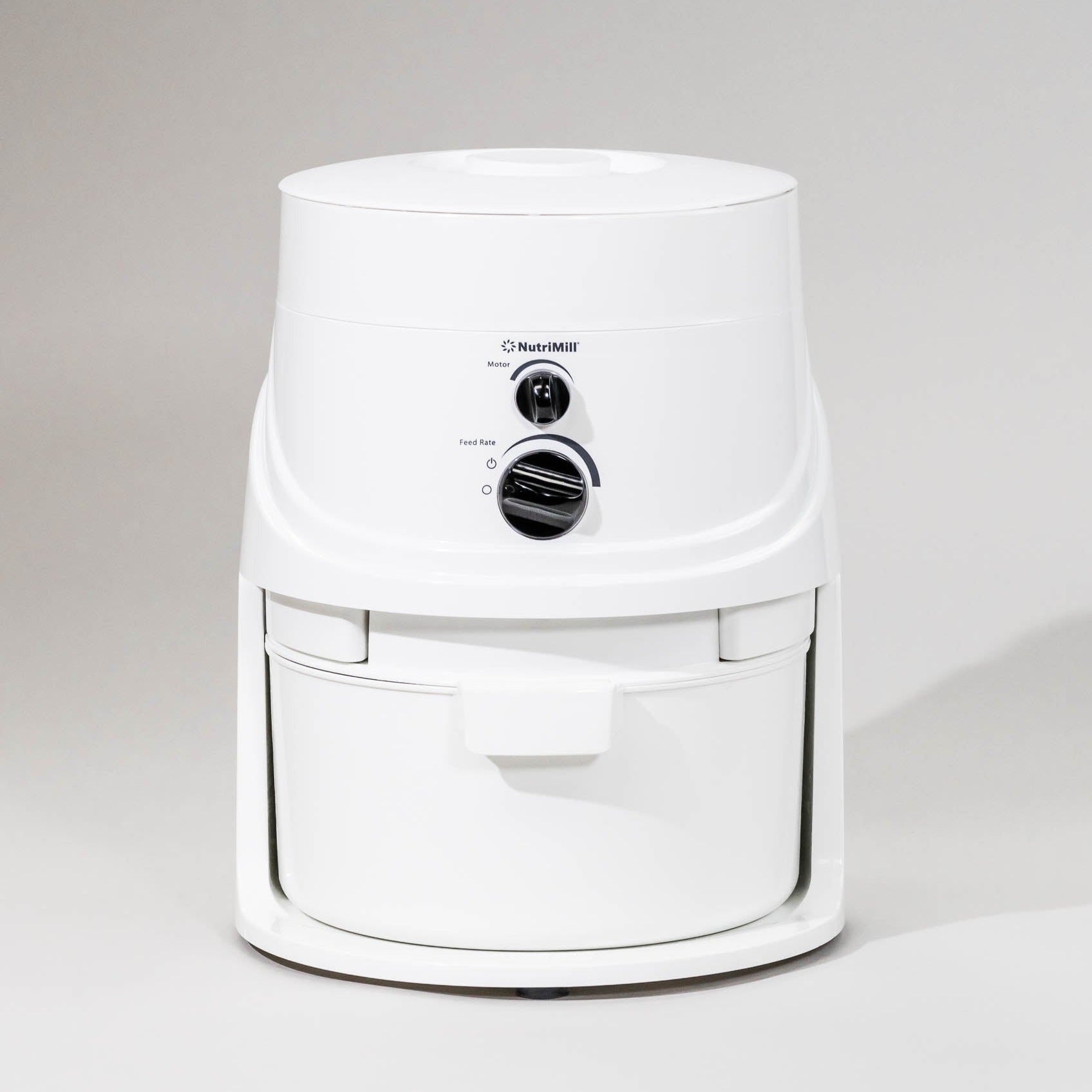
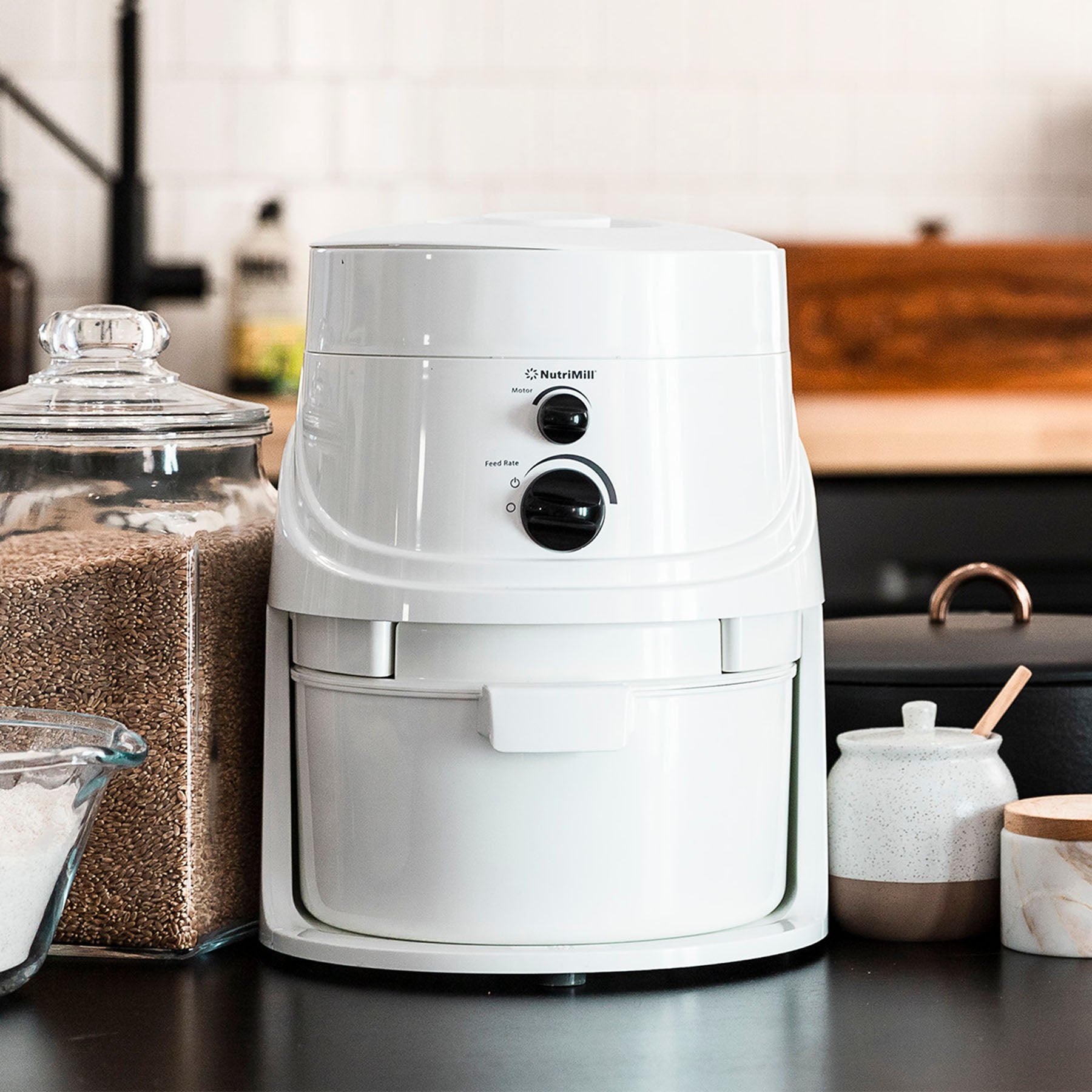
The NutriMill Classic is perfect for those who want a high-performing and durable impact grain mill that produces fresh flour within minutes. It is easy to use and clean.
NutriMill Harvest
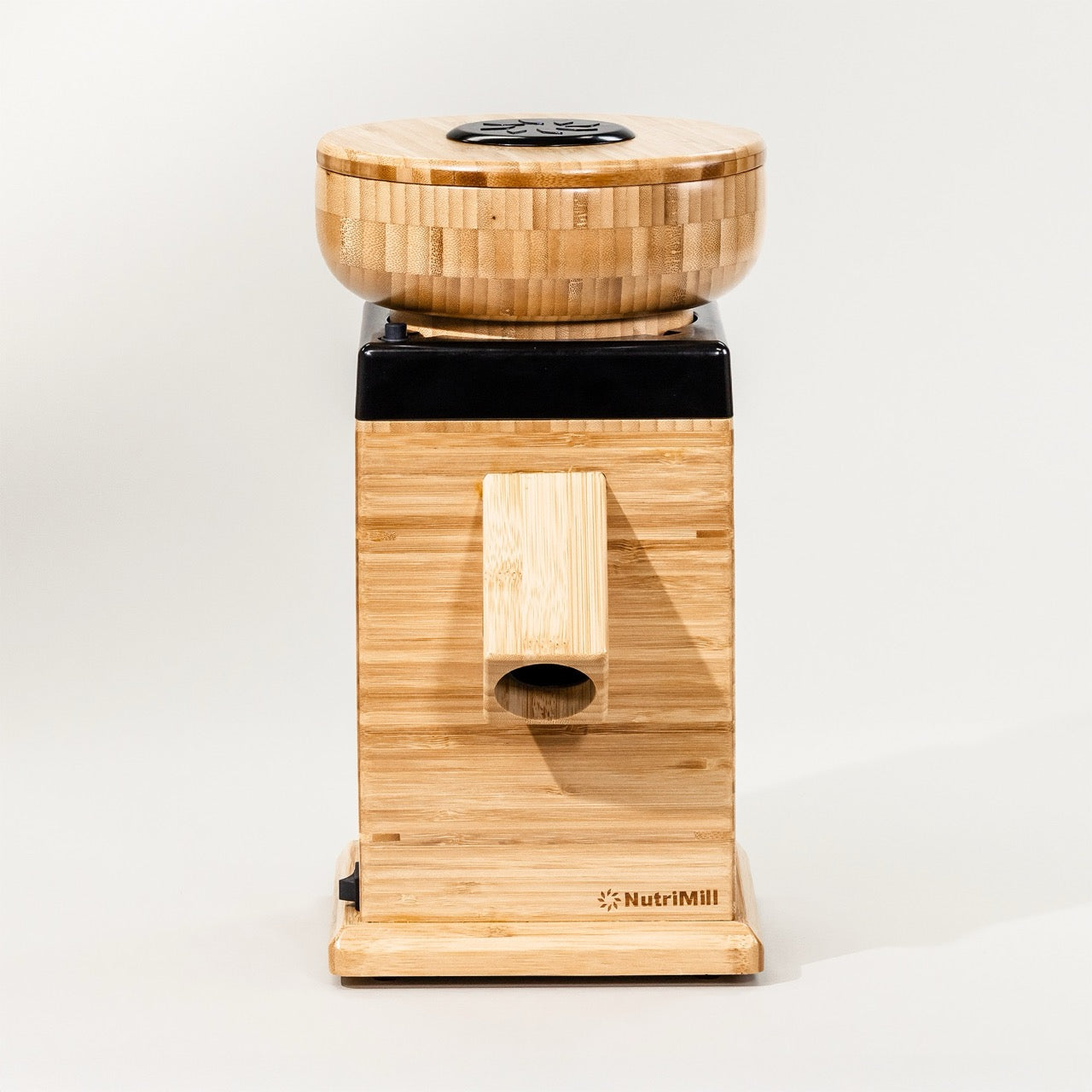
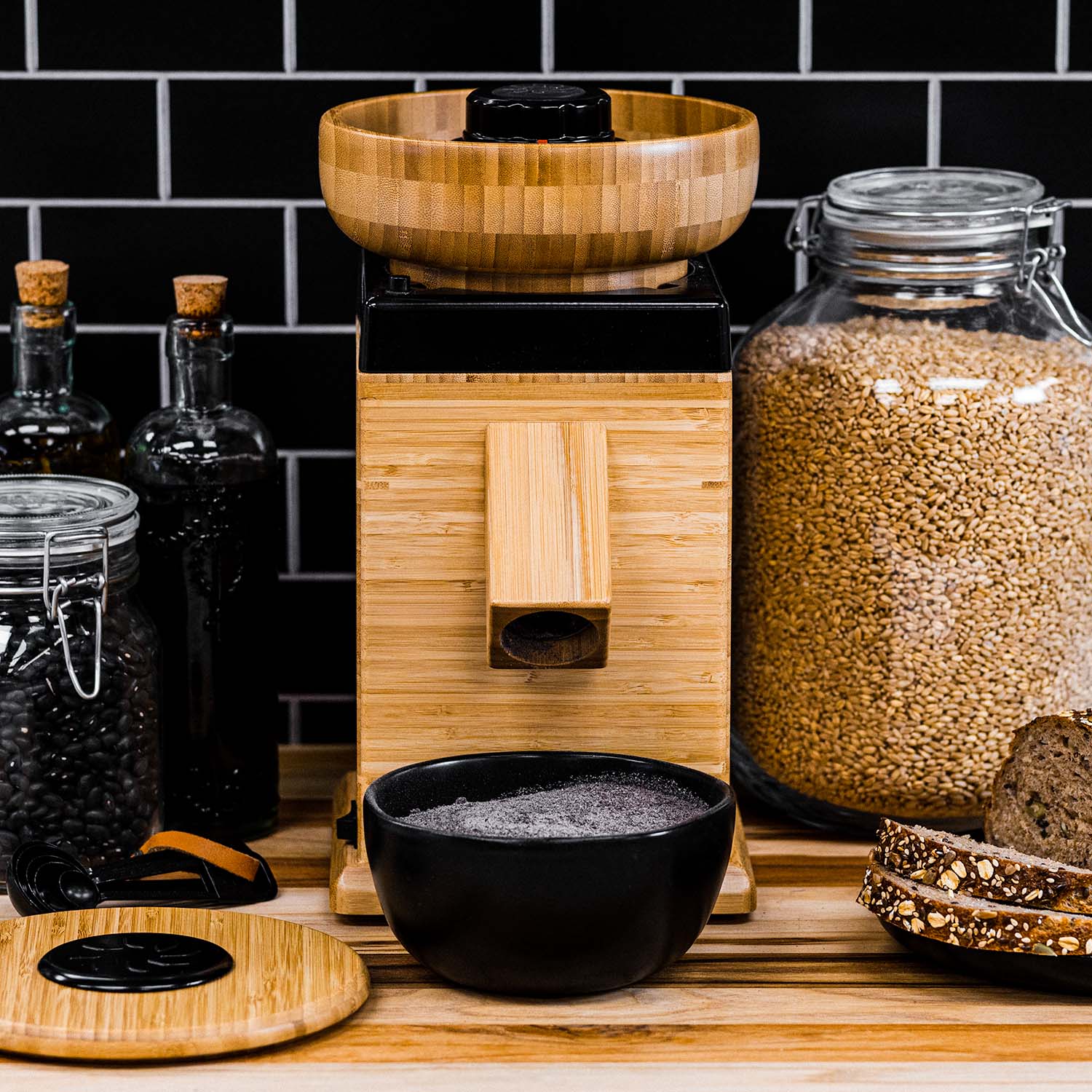
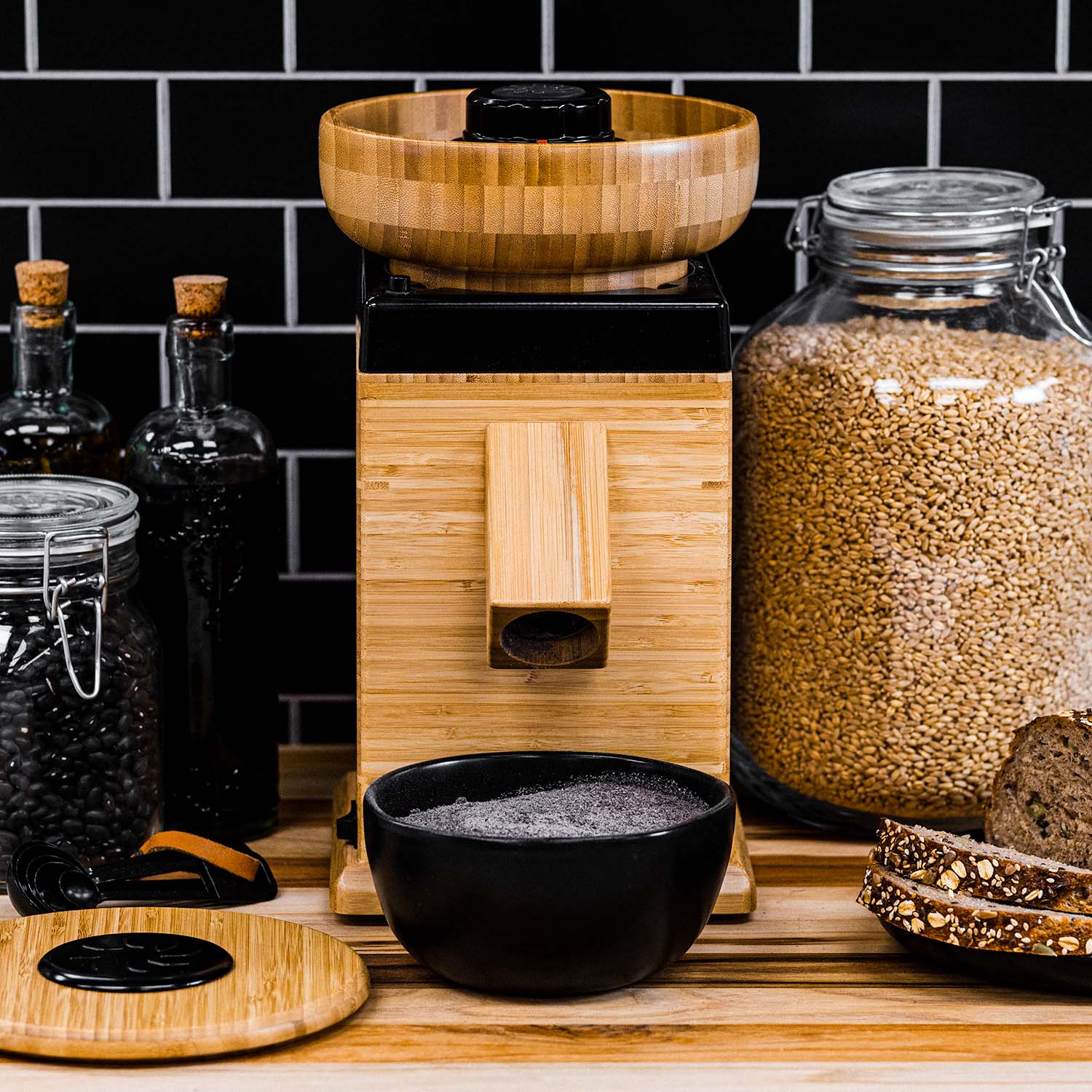
The NutriMill Harvest is perfect for those who want a stylish, compact, and high-quality stone grain mill. It has a beautiful bamboo cabinet, making it an excellent addition to any kitchen. It is also quieter than other models and produces fine flour with ease.
The grain revolution with NutriMill
In conclusion, NutriMill's micronizing technology revolutionizes the way we mill grains. It produces high-quality whole-grain flour with all its natural flavor. Home milling is a cost-effective and sustainable alternative to buying pre-packaged flour, and NutriMill's product lineup offers a variety of options to suit different needs and preferences. Join the grain revolution with NutriMill and enjoy the benefits of fresh, nutrient-rich flour.
This post is for general information only and is not medical or nutrition advice. Everyone is different, so talk with your doctor or a registered dietitian before changing your diet, especially if you have celiac disease, diabetes, food allergies, or another health condition.