

Are you confused about whether to use butter or margarine for baking? Both have their pros and cons, so let's take a closer look and break down everything you need to know to make an informed decision.
Understanding the Basics
When it comes to spreads, butter and margarine are two of the most popular options. Both have their own unique qualities, but many people are unsure about the differences between them. In this article, we will explore what butter and margarine are, how they are made, and some of their key characteristics.
What is Butter?
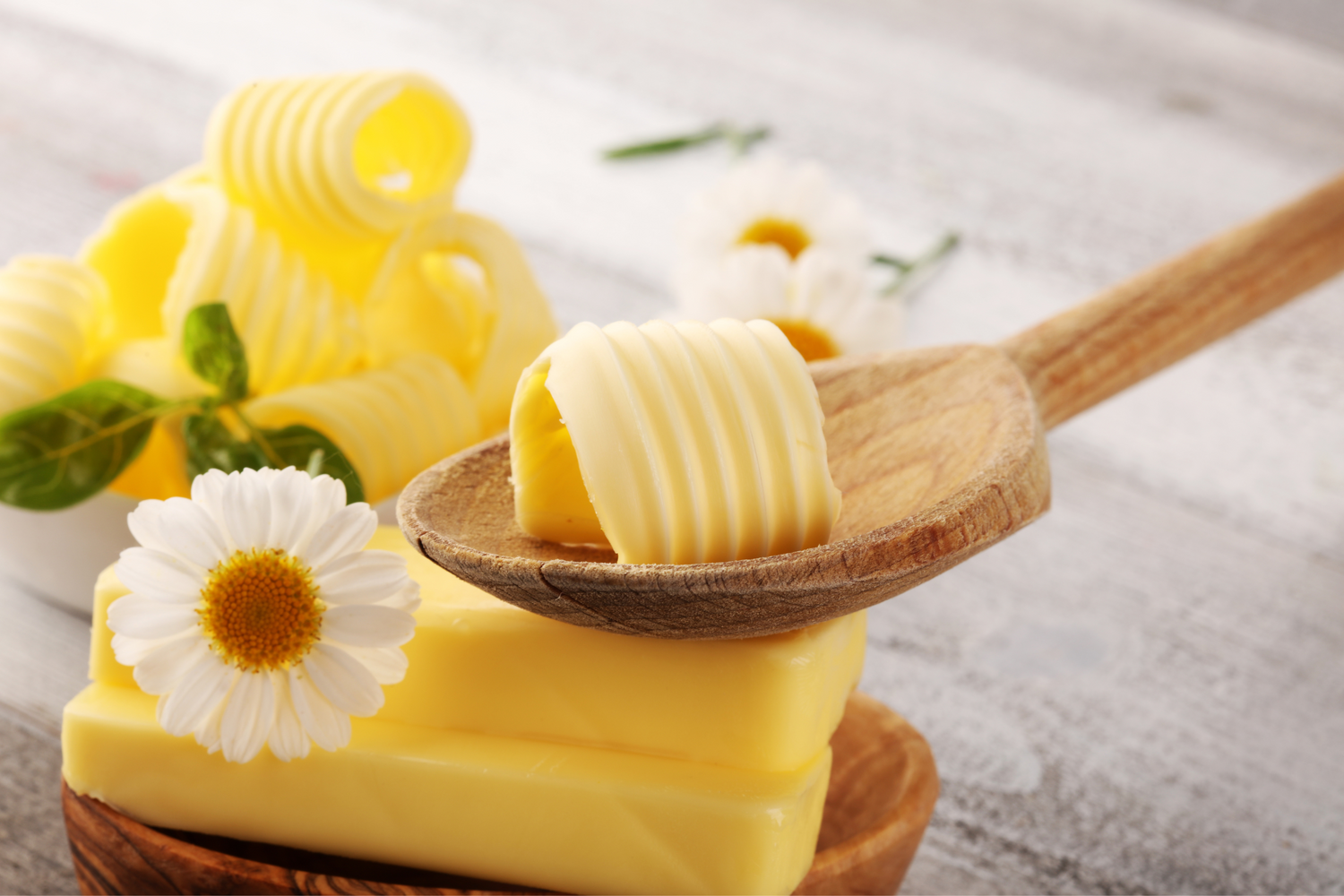
Butter is a dairy product made by churning cream or milk to separate the milk solids from the liquid (buttermilk) and fat (butter). The process of churning causes the fat molecules to clump together, forming a solid mass that we know as butter. Butter has been used for centuries in cooking and baking, and is known for its smooth texture and creamy flavor.
Butter is a versatile ingredient that can be used in a variety of recipes. It is often used as a spread on bread or toast, but it can also be used in cooking and baking. Butter is a key ingredient in many baked goods, such as cookies, cakes, and pastries. It can also be used to add flavor and richness to savory dishes, such as sauces, soups, and sautéed vegetables.
What is Margarine?
Margarine is a non-dairy spread made from vegetable oils, water, and other additives such as emulsifiers and flavorings. It was created as a cheaper and more accessible alternative to butter, especially during wartime when butter was scarce. Margarine has a similar texture and taste to butter, but it is made from plant-based ingredients instead of dairy.
There are many different types of margarine available, including those that are lower in fat or fortified with vitamins and minerals. Margarine is often used as a substitute for butter in recipes, and it can also be used as a spread on bread or toast.
One difference is saturated fat. Dietary guidelines recommend limiting saturated fat, and margarine made with vegetable oils is usually lower in saturated fat than butter.
In conclusion, while butter and margarine are both popular spreads, they have their own unique qualities. Butter is a dairy product that is known for its smooth texture and creamy flavor, while margarine is a non-dairy spread made from vegetable oils. Both can be used in a variety of recipes, and each has its own benefits and drawbacks. Ultimately, the choice between butter and margarine comes down to personal preference and dietary needs.
Nutritional Differences
When it comes to choosing between butter and margarine, it's important to understand the nutritional differences between the two. While both are used as spreads on toast, in baking, and in cooking, they differ in their fat content, calorie count, and vitamin and mineral content.
Fat Content and Types
Butter is a high-fat food, with about 80% of its calories coming from fat. Margarine can vary in its fat content depending on the brand and type, but most contain around 80% fat as well. However, the type of fat differs - butter is higher in saturated fat, which dietary guidelines recommend limiting. Margarine, on the other hand, is often made with vegetable oils and is usually lower in saturated fat.
It's important to note that not all margarine is created equal. Some types of margarine may still contain high levels of saturated fat, so it's important to read the labels and choose a brand that is low in saturated fat and high in unsaturated fat.
Calorie Comparison
Both butter and margarine are high in calories, with about 100-120 calories per tablespoon. However, some brands of margarine may have fewer calories than butter due to its lower fat content. It's important to keep in mind that consuming too many calories can lead to weight gain and other health problems, so it's best to use these spreads in moderation.
Vitamins and Minerals
Butter contains important fat-soluble vitamins such as Vitamin A, E, and K, as well as minerals like calcium and phosphorus. Margarine is often fortified with these vitamins and minerals, but some brands may not contain them naturally. It's important to choose a brand of margarine that is fortified with these essential vitamins and minerals to ensure that you are getting the same nutritional benefits as you would from butter.
In conclusion, while both butter and margarine can be used as spreads, in baking, and in cooking, they differ in their nutritional content. Butter is high in saturated fat, while margarine is often made with unsaturated fats. Both are high in calories, but some brands of margarine may have fewer calories due to its lower fat content. Butter contains important fat-soluble vitamins and minerals, while margarine is often fortified with these nutrients. When choosing between the two, it's important to read the labels and choose a brand that is low in saturated fat and high in essential vitamins and minerals.
Flavor and Texture in Baking
Baking is not just about following a recipe and putting ingredients together. It's also about understanding how the ingredients work together to create the perfect flavor and texture in your baked goods. Two of the most common ingredients used in baking are butter and margarine. While they may seem interchangeable, they can actually have a significant impact on the final product.
How Butter Affects Baked Goods
Butter is a staple ingredient in baking and for good reason. It adds a rich, creamy flavor and a tender texture to baked goods. When creamed with sugar, butter creates air pockets that help to leaven the dough, resulting in a light and fluffy baked good. Butter also helps to create a flaky crust in pastries. The water content in butter turns to steam during baking, which causes the layers of dough to separate and create a flaky texture.
However, since butter has a lower melting point than margarine, baked goods made with butter may spread more during baking. This can result in cookies that are flatter and wider than intended. To prevent this from happening, it's important to chill the dough before baking.
How Margarine Affects Baked Goods
Margarine is a popular substitute for butter in baking. It has a milder flavor than butter and can have a more uniform texture. Margarine is also an option for those who are lactose intolerant or vegan; check the label, since some margarines contain dairy.
One of the benefits of using margarine in baking is that it contains water, which can help make baked goods more moist. This can be especially helpful in recipes that tend to dry out quickly, such as cakes and muffins. However, since margarine is solid at room temperature, it may not create the same flakiness or rise in baked goods as butter.
When using margarine in baking, it's important to pay attention to the fat content. Margarine with a higher fat content will have a more similar texture to butter and will be better suited for baking.
In conclusion, both butter and margarine have their own unique qualities that can impact the flavor and texture of your baked goods. By understanding how each ingredient works, you can make informed decisions about which one to use in your recipes. Whether you choose butter or margarine, the most important thing is to have fun and enjoy the delicious results of your baking endeavors!
Environmental and Ethical Considerations
The Dairy Industry and Butter Production
Butter is a popular ingredient in many recipes, from baking to cooking, and is a staple in many households. However, the production of butter has a significant impact on the environment and animal welfare. Dairy cows require a lot of resources, such as water, land, and feed, to produce milk. In addition, factory farming practices can lead to issues like pollution and animal mistreatment.
Factory farming involves keeping cows in confined spaces, which can lead to health problems and stress. Some conventional dairies use practices that concern shoppers; look for labels that match your values.
Opting for sustainably sourced butter can help reduce the negative impacts of the dairy industry. Sustainable farming practices prioritize animal welfare and environmental protection. This means that cows are allowed to graze on pasture and are treated humanely. Sustainable farming also involves using resources efficiently, reducing waste, and minimizing the use of chemicals and pesticides.
The Process of Making Margarine
Margarine is a popular alternative to butter and is often used as a spread on bread or as an ingredient in baking. Margarine is made from vegetable oils, which require less land, water, and energy to produce than butter. This makes margarine a more environmentally friendly option.
However, some may argue that the use of vegetable oils in margarine production can still have negative impacts on the environment. The production of vegetable oils can lead to deforestation, habitat destruction, and increased pesticide use. In addition, older margarines used partially hydrogenated oils (trans fats), which the FDA has since banned in the US.
There are alternatives to traditional margarine that some shoppers prefer. For example, some companies produce plant-based spreads that are made from ingredients like coconut oil, avocado oil, or nuts. These spreads are often free from trans fats and are a good source of healthy fats and nutrients.
In conclusion, both butter and margarine have environmental and ethical considerations that should be taken into account when making food choices. Opting for sustainably sourced butter or plant-based spreads can help reduce the negative impacts of the dairy and vegetable oil industries.
Dietary Considerations
Saturated Fat
Butter is higher in saturated fat than most margarines, and dietary guidelines recommend limiting saturated fat. Check the label and choose a margarine that is low in saturated fat and free of partially hydrogenated oils.
Allergies and Dietary Restrictions
Butter contains milk proteins, which can be an issue for those with dairy allergies or lactose intolerance. Margarine, on the other hand, is often vegan and free of dairy products. However, some types of margarine may contain soy or other allergens, so it's important to check the ingredient list if you have allergies or dietary restrictions.
Overall, both butter and margarine can be used for baking depending on your personal preferences, environmental concerns, and health considerations. It's important to select a high-quality product from a trusted source and to use it in moderation as part of an overall healthy diet.
This post is for general information only and is not medical or nutrition advice. Everyone is different, so talk with your doctor or a registered dietitian before changing your diet, especially if you have celiac disease, diabetes, food allergies, or another health condition.

Leave a comment
All comments are moderated before being published.
This site is protected by hCaptcha and the hCaptcha Privacy Policy and Terms of Service apply.