

If you've ever wondered why the bread at a farmers' market tastes nothing like the loaf from the grocery store aisle, the answer often comes down to one thing: the flour. More specifically, when that flour was made.
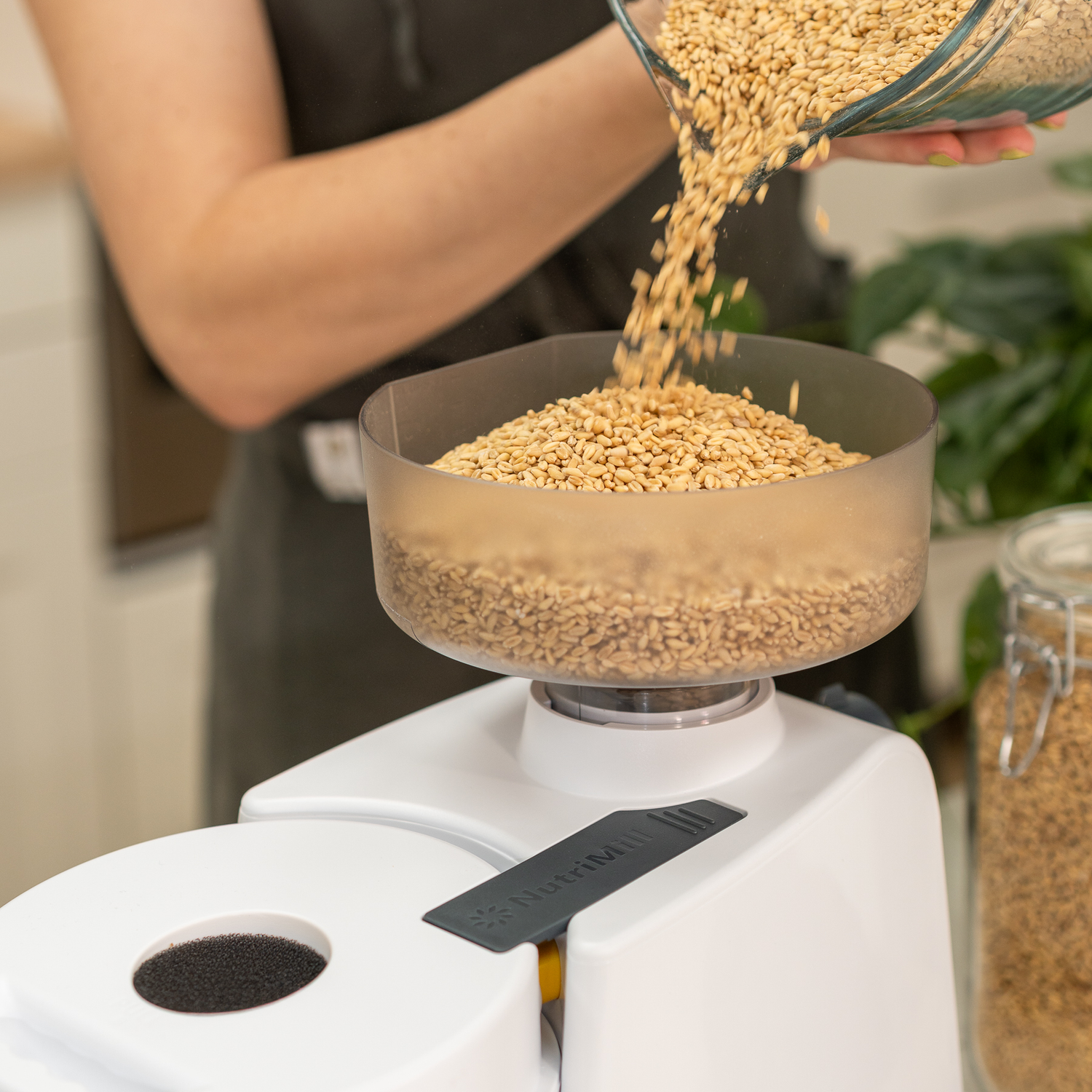
The flour on most supermarket shelves was milled weeks or months ago. Fresh-milled flour simply tastes different, and you know exactly what's in it. Home grain milling changes the equation entirely. With a countertop grain mill, you can turn whole berries of wheat, oats, rice, or corn into fresh flour in about a minute, right before you bake.
This beginner's guide walks you through what home grain milling actually is, why so many home bakers are picking it up, and exactly what you need to know before you buy your first mill.
What Is Home Grain Milling?
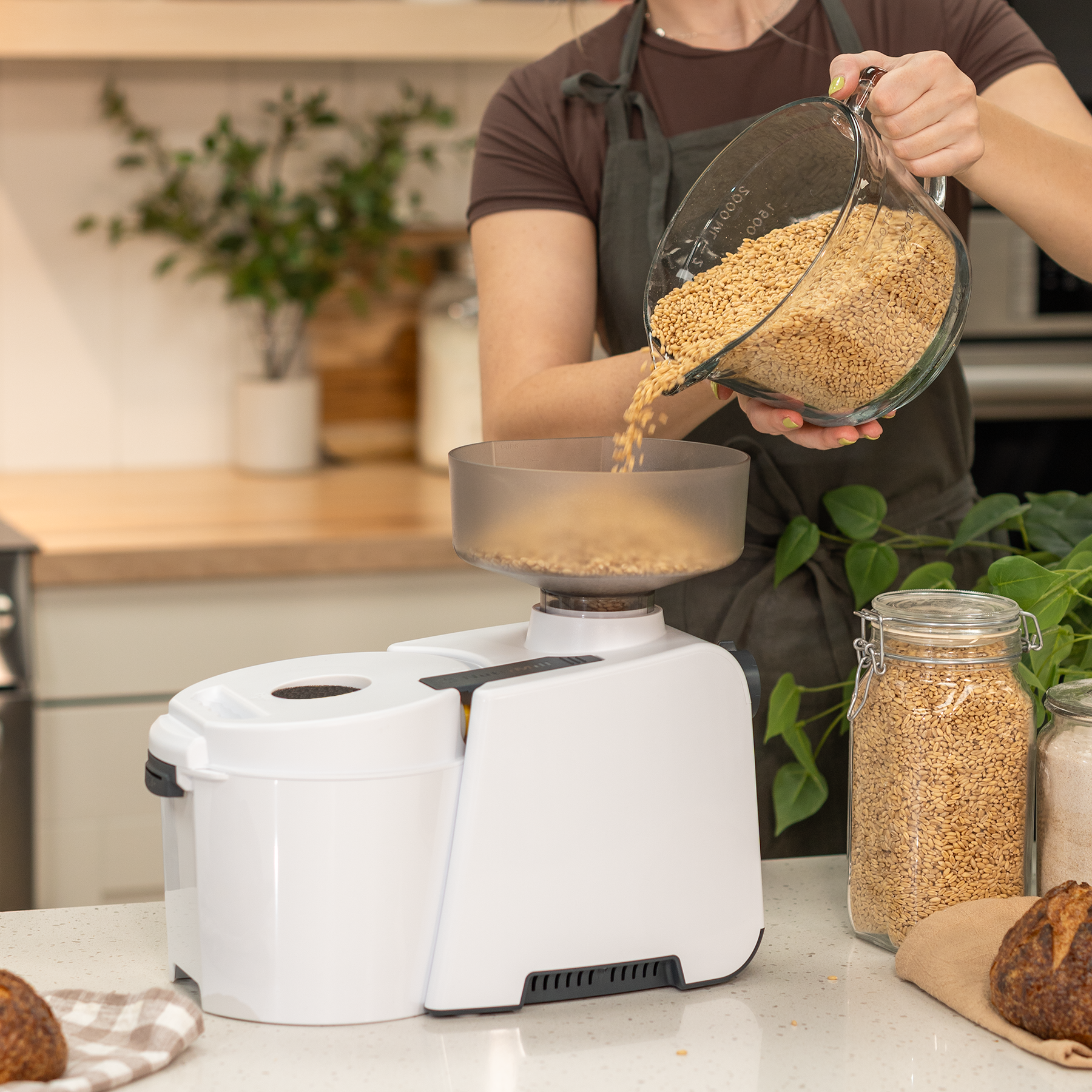
Home grain milling is the simple act of grinding whole, intact grains called "berries" into flour using a small kitchen appliance called a grain mill. Instead of buying pre-ground flour, you store the whole grains and mill only what you need, when you need it.
The concept is ancient. For most of human history, flour was milled fresh and used within days. It wasn't until industrial milling in the late 1800s that we started stripping away the bran and germ, shipping flour long distances, and getting used to flour that's been sitting around a while.
Today's countertop mills bring that fresh-milled tradition back to the modern kitchen minus the giant stone wheel.
Why Mill Your Own Flour? Four Reasons Beginners Get Hooked
1. Whole-grain goodness you can actually taste
Whole grains have three parts: the bran (fiber), the germ (vitamins, healthy fats), and the endosperm (starch). Commercial white flour removes the bran and germ, where much of the grain's fiber, oils and naturally occurring vitamins are found.
Even commercial "whole wheat" flour changes over time. Once a grain is cracked open, its oils and some vitamins begin to oxidize, which is why we love baking with flour milled the same day. By the time store-bought whole wheat flour reaches your pantry, it has usually been sitting around for a while.
When you mill at home, you bake with flour that's minutes old, and the whole grain (bran, germ and endosperm) goes into your bowl.
2. Flavor that doesn't compare
This is the part that surprises new home millers most. Freshly milled flour has a sweet, nutty, almost grassy aroma that you simply cannot buy in a bag. A loaf of bread, a batch of pancakes, even a humble chocolate chip cookie all of them taste noticeably more complex when made with fresh milled flour.
If you've ever wondered why your homemade bread doesn't taste like the artisan loaf from a great bakery, fresh flour is often the missing link.
3. Long-term cost savings
A 25-pound bag of hard white wheat berries costs significantly less per pound than an equivalent amount of name-brand whole wheat flour and it produces about 25 pounds of flour. Whole grains also last 10+ years in proper storage, while flour begins to go stale within weeks. If you bake regularly, the math gets compelling quickly.
4. Real food storage
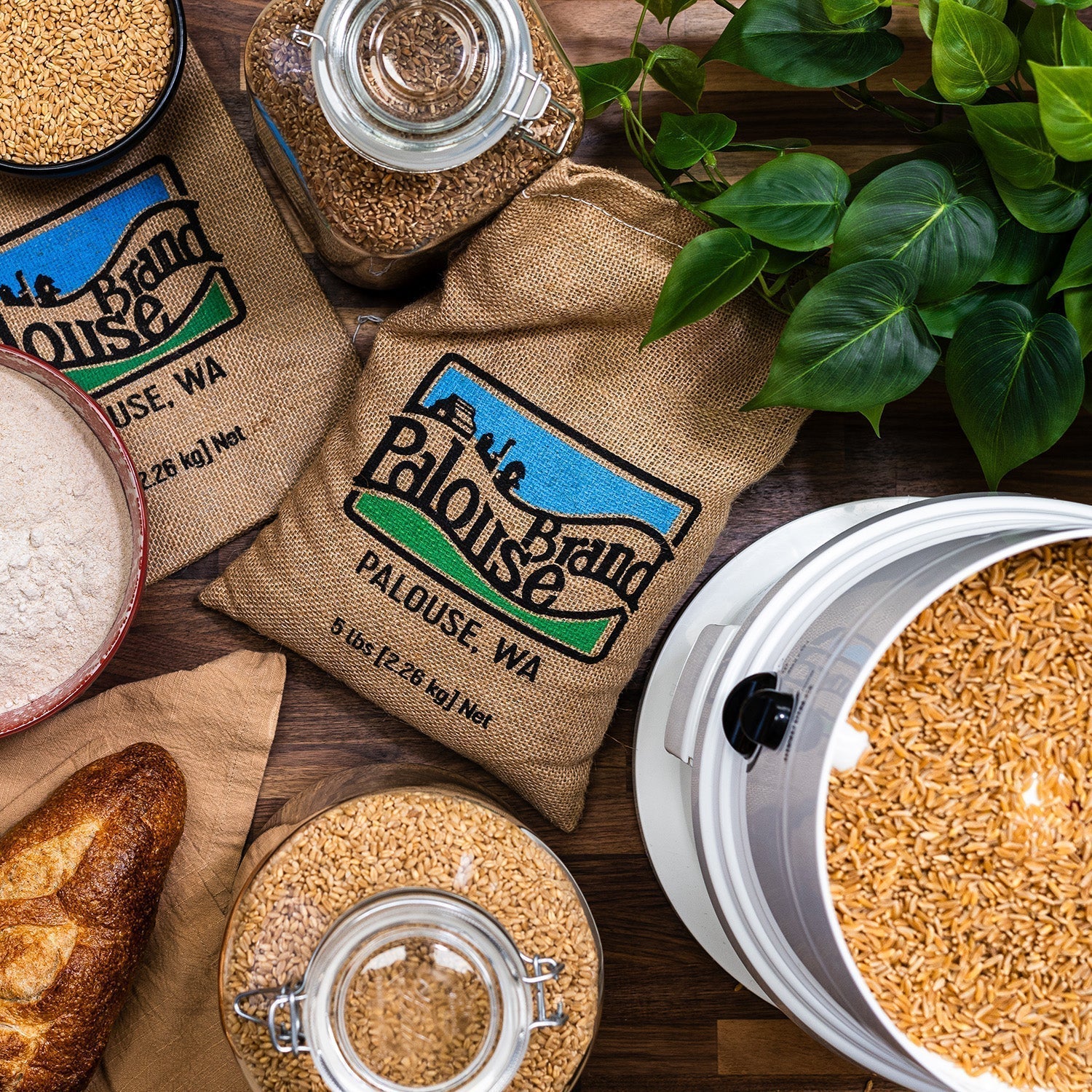
Whole grain berries are one of the most stable long-term foods on the planet. Stored in food-grade buckets with oxygen absorbers, wheat berries can stay viable for a decade or more. For households that value preparedness, self-sufficiency, or just buying in bulk, home milling pairs naturally with a well-stocked pantry.
How Does a Grain Mill Actually Work?
Most home grain mills fall into two categories:
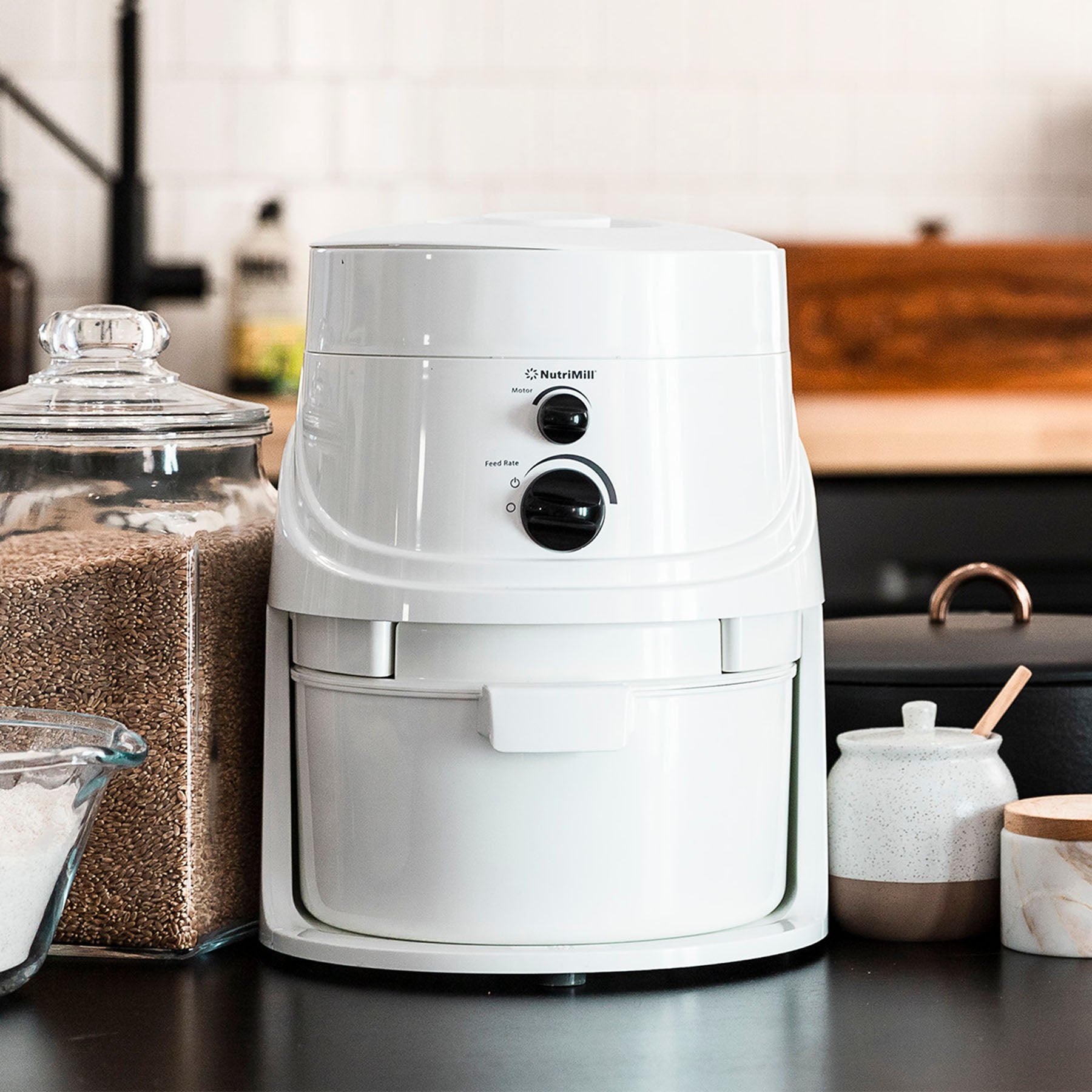
Impact mills use a high-speed chamber with metal "teeth" that shatter the grain into flour as it passes through. They're fast, easy to clean, and produce extremely fine flour ideal for baking light, fluffy bread and pastries. NutriMill's signature mills are impact mills.
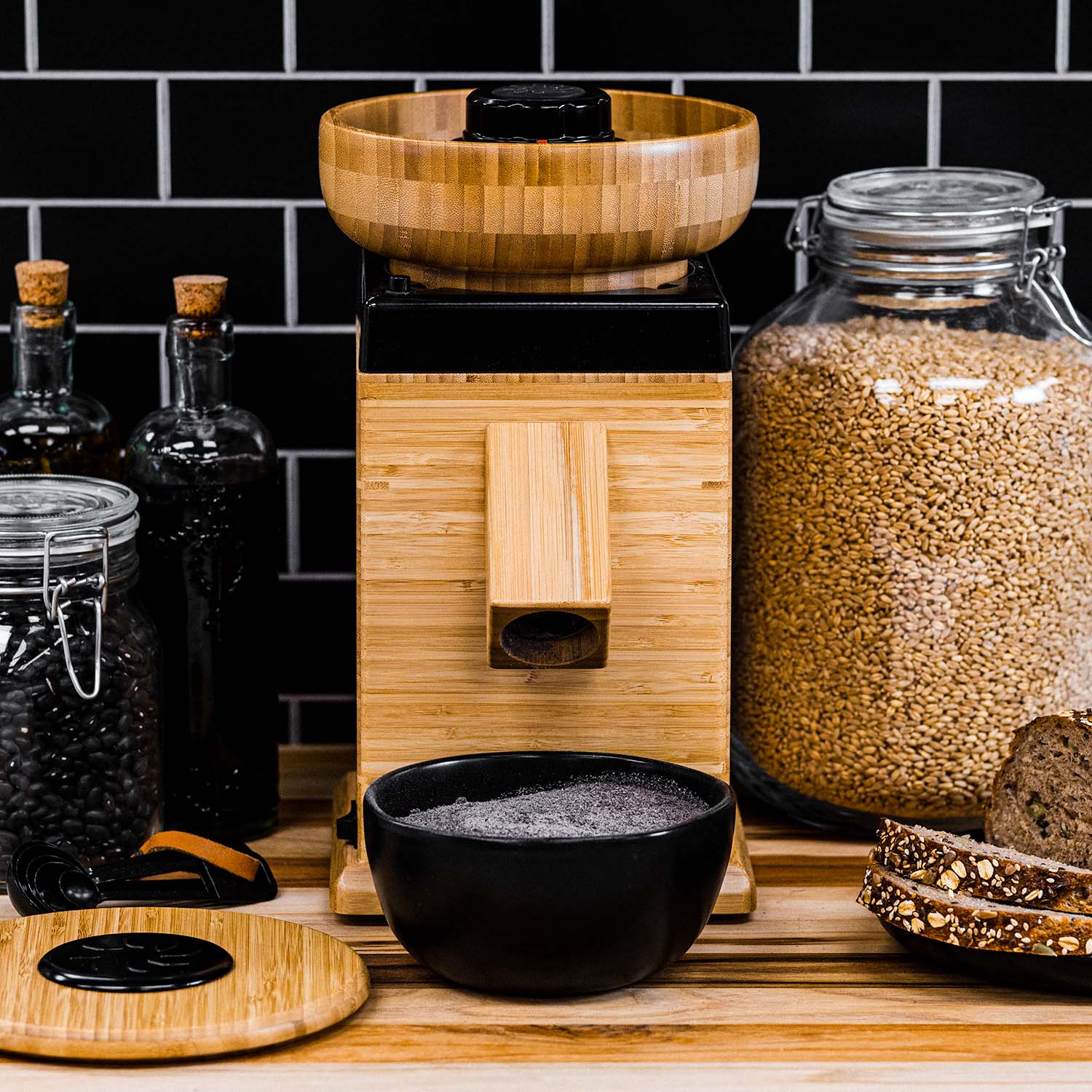
Stone mills crush the grain between two stone wheels, much like traditional mills have for thousands of years. They run cooler and slower, and many bakers prefer them for the texture they produce in rustic sourdough.
For most beginners, an impact mill is the easier starting point: it's faster, more versatile, and gives you fine flour for everyday baking right out of the box.
What Can You Mill at Home?
A surprising amount, actually. Most home grain mills handle:
- Hard and soft wheat
- Spelt, kamut, and einkorn
- Oat groats
- Rye
- Barley
- Rice
- Corn (popcorn or dent corn)
- Quinoa, millet, and amaranth
- Dry legumes like beans, lentils, and chickpeas (for bean flour)
Always check your mill's manual some grains (like very oily seeds, or anything moist) can damage a mill not designed for them.
Getting Started: What Every Beginner Should Know
Choose a mill that matches how you'll bake
Ask yourself two questions: how often will I mill, and what will I bake most? If you want soft sandwich bread, muffins, pancakes, and pastries, a fine-grinding impact mill is the sweet spot. If you're aiming for rustic artisan sourdough as a primary focus, a stone mill may suit you better.
Start with hard white wheat
If you're new to whole wheat flour, hard white wheatis the friendliest place to begin. It bakes up lighter and milder than the hard red wheat most people associate with "whole wheat bread," and it's much closer in behavior to all-purpose flour. Many beginners are shocked at how soft their first loaf turns out.
Buy grain in small batches first
Before you commit to a 50-pound bucket, try a few 5- or 10-pound bags of different grains. You'll quickly learn which ones your family loves.
Store grain properly
Whole grains love cool, dry, dark storage. Food-grade buckets with gamma-seal lids, or large glass jars with tight seals, both work well. Mill only what you need for the next 24–48 hours; once milled, flour should be used quickly or refrigerated.
For a complete breakdown — including shelf life by storage method, the five mistakes most beginners make, and exactly which containers work best — see our full guide to storing wheat berries and fresh-milled flour.
Expect a learning curve with recipes
Fresh-milled flour absorbs water differently than commercial flour. Most beginners need to add slightly more liquid to their dough, and may need to let it rest longer before baking. Don't be discouraged by a dense first loaf; small adjustments make a big difference.
Common Beginner Questions
Is freshly milled flour different from store-bought whole wheat?
Fresh flour contains the whole grain and hasn't sat on a shelf, and many bakers prefer it for flavor and freshness.
Are home grain mills loud?
Impact mills are louder than a blender for the minute or two they run. Stone mills are typically quieter but slower.
Can I use fresh milled flour in any recipe?
In most recipes, yes though you may need to tweak hydration. Start by adding 5–10% more liquid than the recipe calls for, then adjust from there.
How much does a beginner grain mill cost?
Quality countertop mills typically run from a few hundred dollars to around $500. It's a one-time purchase that, for regular bakers, pays itself back in flour savings over time.
Ready to Start Milling?
Home grain milling looks intimidating from the outside, but it's one of the simplest upgrades a home cook can make. You don't need to be a sourdough expert. You don't need a fancy kitchen. You just need whole grains, a mill, and the willingness to taste the difference.
If you're ready to take the first step, explore NutriMill's countertop grain mills built for home bakers who want fresh flour, every time, without the fuss.
Your first loaf of bread made with truly fresh flour will tell you everything you need to know.
This post is for general information only and is not medical or nutrition advice. Everyone is different, so talk with your doctor or a registered dietitian before changing your diet, especially if you have celiac disease, diabetes, food allergies, or another health condition.


Leave a comment
All comments are moderated before being published.
This site is protected by hCaptcha and the hCaptcha Privacy Policy and Terms of Service apply.