

Something significant happened on January 7, 2026. For the first time in over a decade, the United States government brought back the Food Pyramid, and the message it carried cut straight to the heart of everything NutriMill has believed since day one: Eat real food.
The 2025-2030 Dietary Guidelines for Americans, jointly released by the USDA and the Department of Health and Human Services, didn't mince words. Ultra-processed packaged foods? Avoid them. Refined carbohydrates like white bread and commercial crackers? Significantly reduce them. And in their place, prioritize fiber-rich whole grains, eat nutrient-dense foods, and wherever possible, prepare meals at home.
That's not a new message for us. At NutriMill, we've been saying it for years. We call it Homemade Matters™.
Now the science, the government, and a growing wave of health-conscious families are all saying it too. Let's talk about why whole grains matter, what the new guidelines really mean, and how NutriMill makes living this way easier and more delicious than ever before.
The 2026 Food Pyramid: A Return to Real Food
The original Food Pyramid debuted in 1992. After years of confusing revisions and the 2011 MyPlate replacement, many Americans lost the thread of what healthy eating actually looked like. The 2026 update brings the pyramid back but flipped on its head, inverted to put the highest-priority foods at the top.
While much of the media conversation has focused on increased protein recommendations and the return of full-fat dairy, the guidelines' message on grains is both clear and urgent:
"Prioritize fiber-rich whole grains. Significantly reduce the consumption of highly processed, refined carbohydrates." - USDA Dietary guidelines for Americans 2025-2030
The government's own companion website, realfood.gov, puts it plainly: "Grains can be part of a real food diet when eaten in whole or traditionally prepared forms. Refined and packaged grain products should be limited."
Whole grains. Traditionally prepared. At home. Sound familiar? It should. That's been the NutriMill mission all along.
What Makes Whole Grains So Powerful?
To understand why the 2026 guidelines champion whole grains so strongly, it helps to understand what gets lost when grains are refined and processed and what you get back when you mill them fresh at home.
The Three Parts of a Whole Grain
Every whole grain kernel is made up of three components, each nutritionally vital:
- The Bran is the fiber-rich outer layer, with B vitamins, iron, zinc, copper, and antioxidants.
- The Germ the nutrient-dense embryo of the seed, is loaded with vitamin E, folate, thiamine, and essential fatty acids.
- The Endosperm is the starchy center, which provides energy. This is the only part that survives commercial milling to become white flour.
When commercial mills strip away the bran and germ to produce shelf-stable white flour, a large share of the grain's vitamins and minerals go with them. Manufacturers then attempt to add back a handful of synthetic nutrients, a process called "enrichment". Enrichment adds back a few nutrients, but not the fiber and full range found in the whole kernel.
Why the Guidelines Favor Whole Grains
The 2026 guidelines put whole grains front and center. Here is what they bring to the table:
- Heart health: Diets rich in whole grain foods and other plant foods and low in total fat, saturated fat, and cholesterol may reduce the risk of heart disease and some cancers.
- Fiber with your carbs: Whole grains bring fiber along with their carbohydrates, which is one reason dietary guidelines favor them over refined grains.
- Dietary fiber: Whole-grain bran is a source of dietary fiber.
- Fiber and protein: Whole grains are a source of both.
With more than 70% of American adults currently overweight or obese, a statistic cited by the USDA in their January 2026 release the stakes for getting grain consumption right have never been higher.
The Processed Food Problem: Dead Flour in a Living World
Walk down the bread aisle of any grocery store, and you're surrounded by products made from the same base ingredient: commercially processed, enriched white flour. Many store loaves rely on preservatives and refined flour for shelf life. We'd rather bake fresh.
The 2026 Dietary Guidelines are the first to explicitly categorize and call out this entire class of products as "highly processed foods", a category to actively avoid. This includes:
- Read-to-eat packaged bread, muffins, and rolls made from refined flour.
- Commercial crackers, cookies, and snack cakes
- Packaged breakfast are cereals loaded with added sugars and artificial dyes.
- White flour tortillas and other refined-grain convenience foods
The guidelines specifically call for avoiding products containing "artificial" flours, petroleum-based dyes, artificial preservatives, and low-calorie non-nutritive sweeteners." Read the ingredient label on almost any mass-produced baked good, and you'll find most of these listed.
"Better health begins on your plate - not your medicine cabinet." - realfood.gov, USDA 2026
The answer isn't to stop eating grains. The answer is to eat grains the way they were meant to be eaten, whole, fresh, and as close to their natural state as possible. And that's exactly what fresh home milling makes possible.
Why Fresh-Milled Flour Is in a Category of Its Own
Even if you buy a bag labeled "whole wheat flour" at the grocery store, you're not getting the same nutritional profile as flour milled fresh at home. Here's why:
Oxidation Begins at the Moment of Milling
The instant a grain kernel is cracked open, its natural oils found in the germ begin to oxidize. This is why commercial whole wheat flour goes rancid so quickly compared to white flour. Most commercial mills solve this problem by removing the germ (creating white flour), adding preservatives, or selling flour that has been sitting in storage and on shelves for months. Flour that has sat that long is not as fresh as flour milled today.
When you mill grain fresh at home with a NutriMill grain mill, you use the flour immediately, keeping all of the bran, germ, and endosperm in your flour. There's no warehouse storage. No long-haul shipping. No sitting on a grocery store shelf for months.
Fresh Flour Has a Different Flavor
Beyond nutrition, freshly milled flour tastes noticeably different, richer, nuttier, and more complex. Bakers who make the switch to home milling almost universally describe a depth of flavor in their breads, muffins, pancakes, and pastries that store-bought flour simply cannot replicate. This isn't nostalgia, it's chemistry. The natural oils and live compounds in freshly milled grain contribute flavor that oxidation and processing destroy.
You Control What Goes Into Your Flour
Home milling also give you complete control over your ingredients. Want a finer grind for pastries? A coarser grind for hearty sandwich bread? A blend of hard red winter wheat and soft white wheat? Or perhaps ancient grains like einkorn, spelt, or kamut, prized for their flavor and character? With a NutriMill grain mill, all of that is possible. You're not locked into whatever a manufacturer decided to put in a bag.
NutriMill: Making Homemade Matter More Than Ever
NutriMill has been equipping home bakers and health-conscious families with the tools to mill their own flour and bake from scratch for decades. Our trademark, Homemade Matters™, isn't just a slogan; it's a belief system rooted in the same science and values that the 2026 Dietary Guidelines now reflect on a national scale.
NutriMill products make whole-grain, fresh-milled baking more accessible than ever:
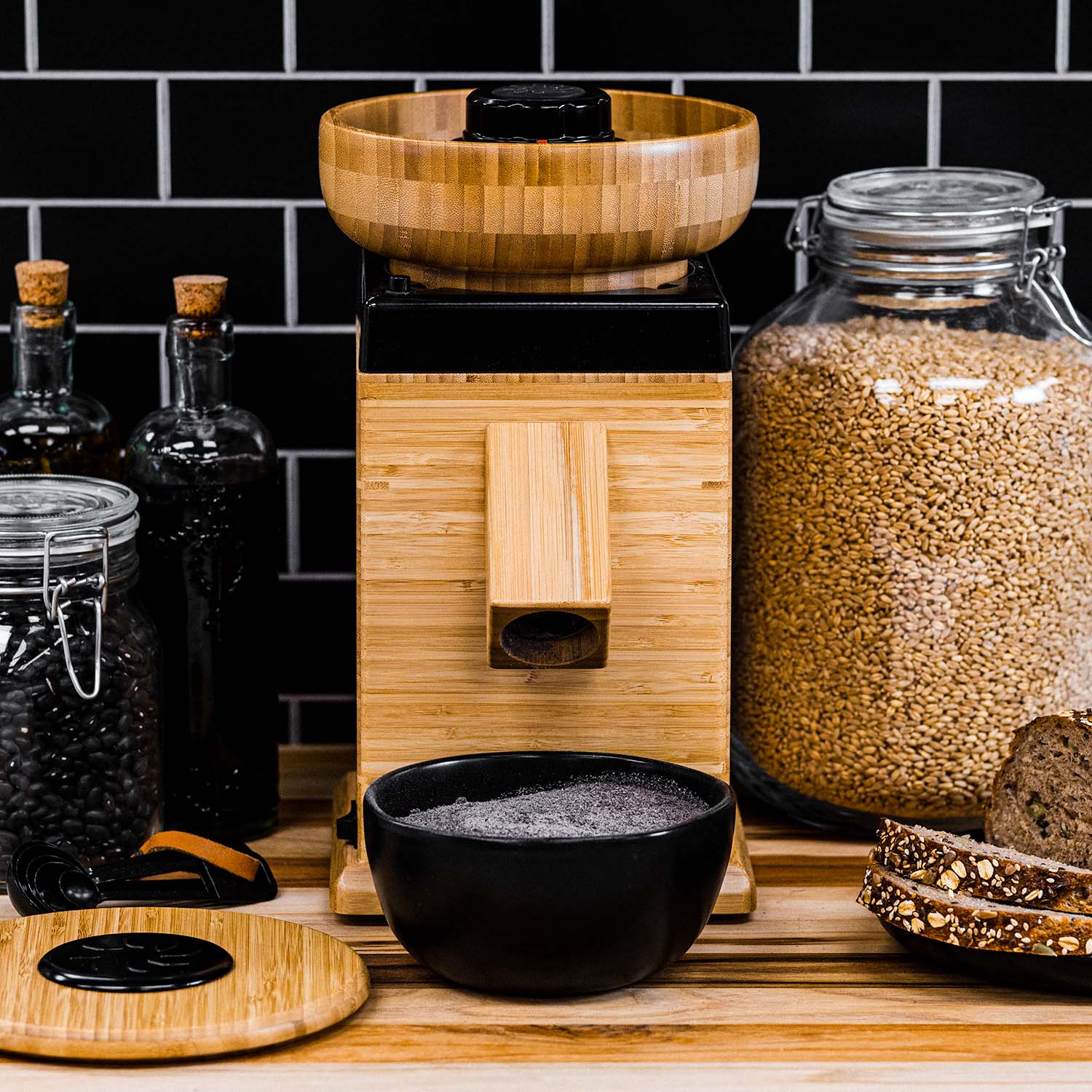
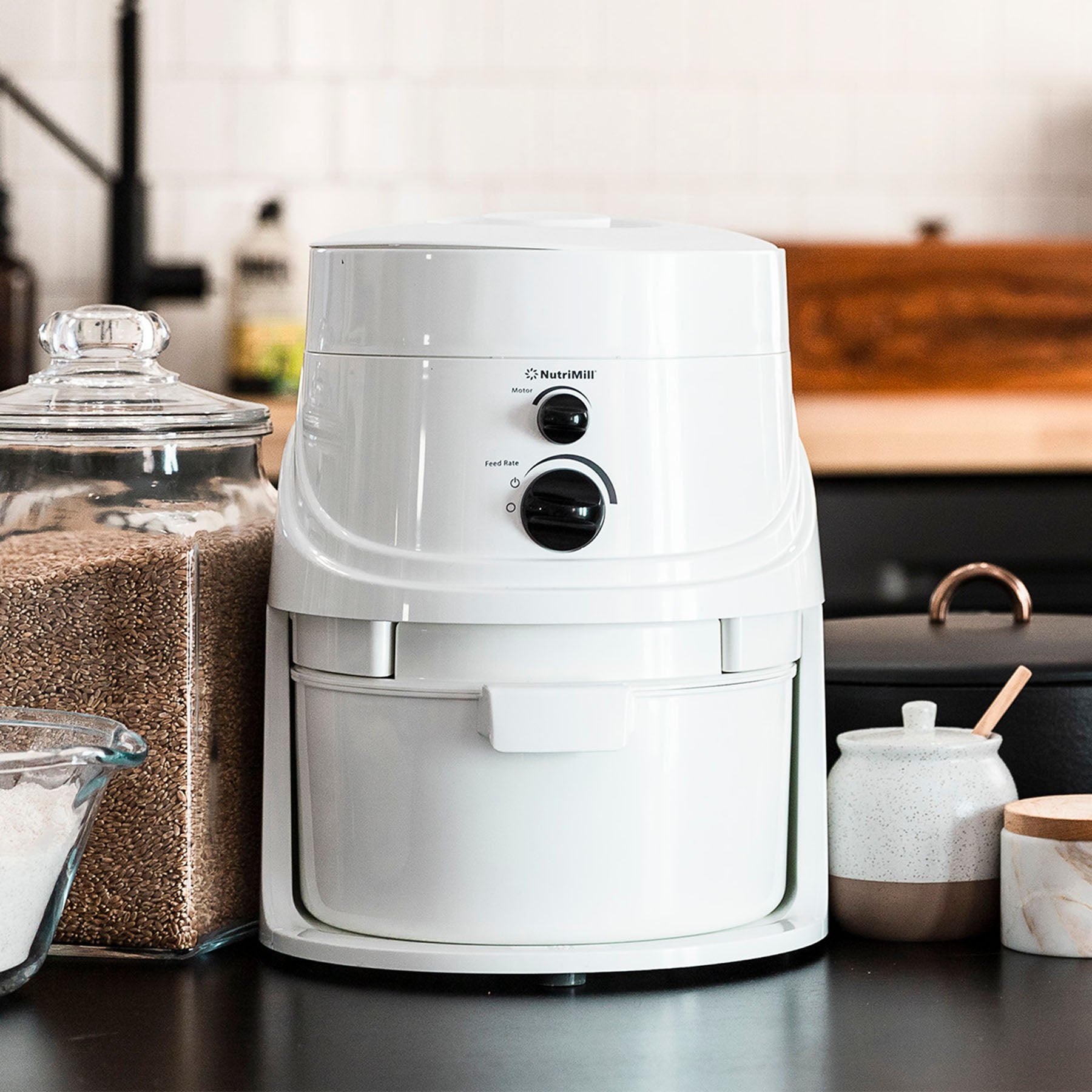
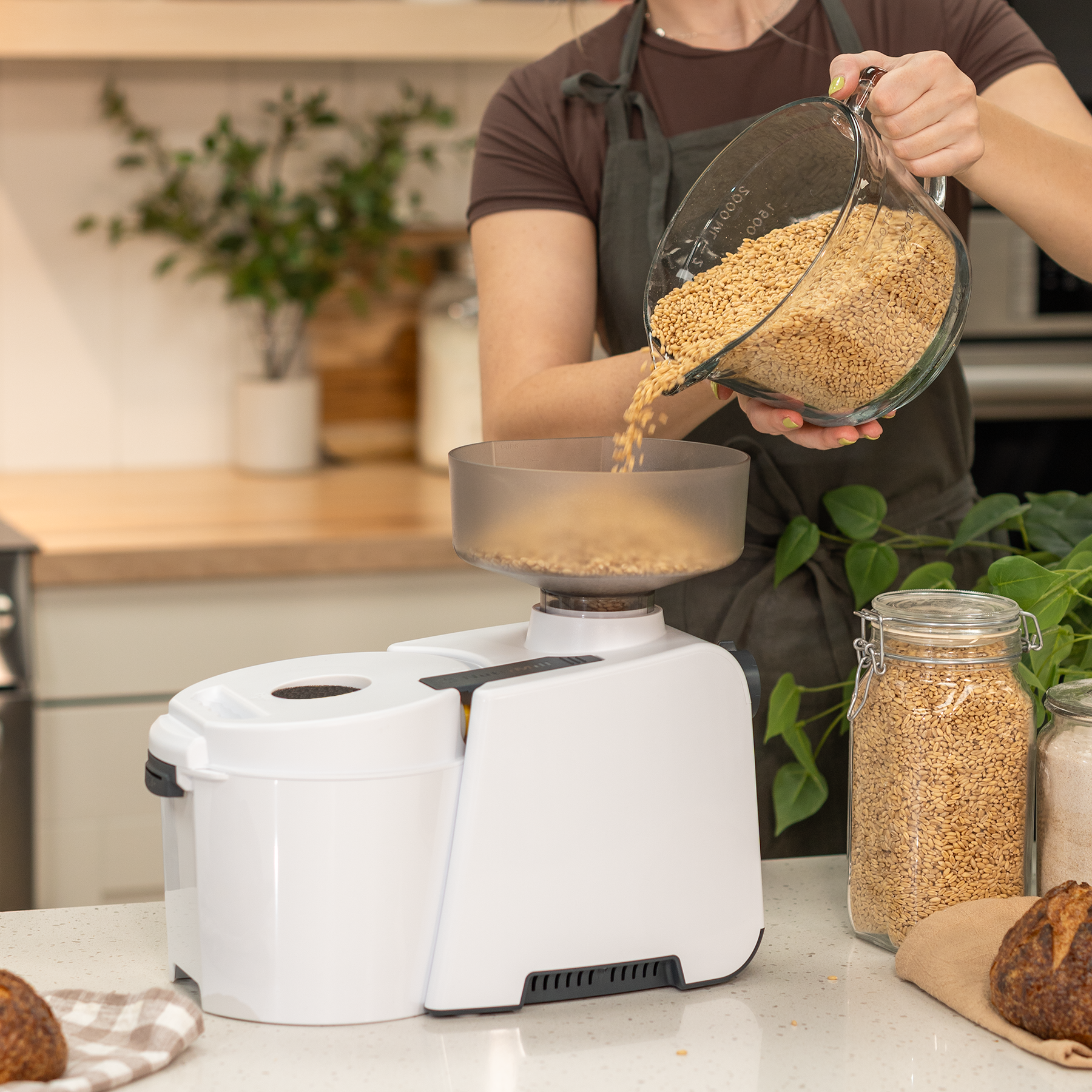
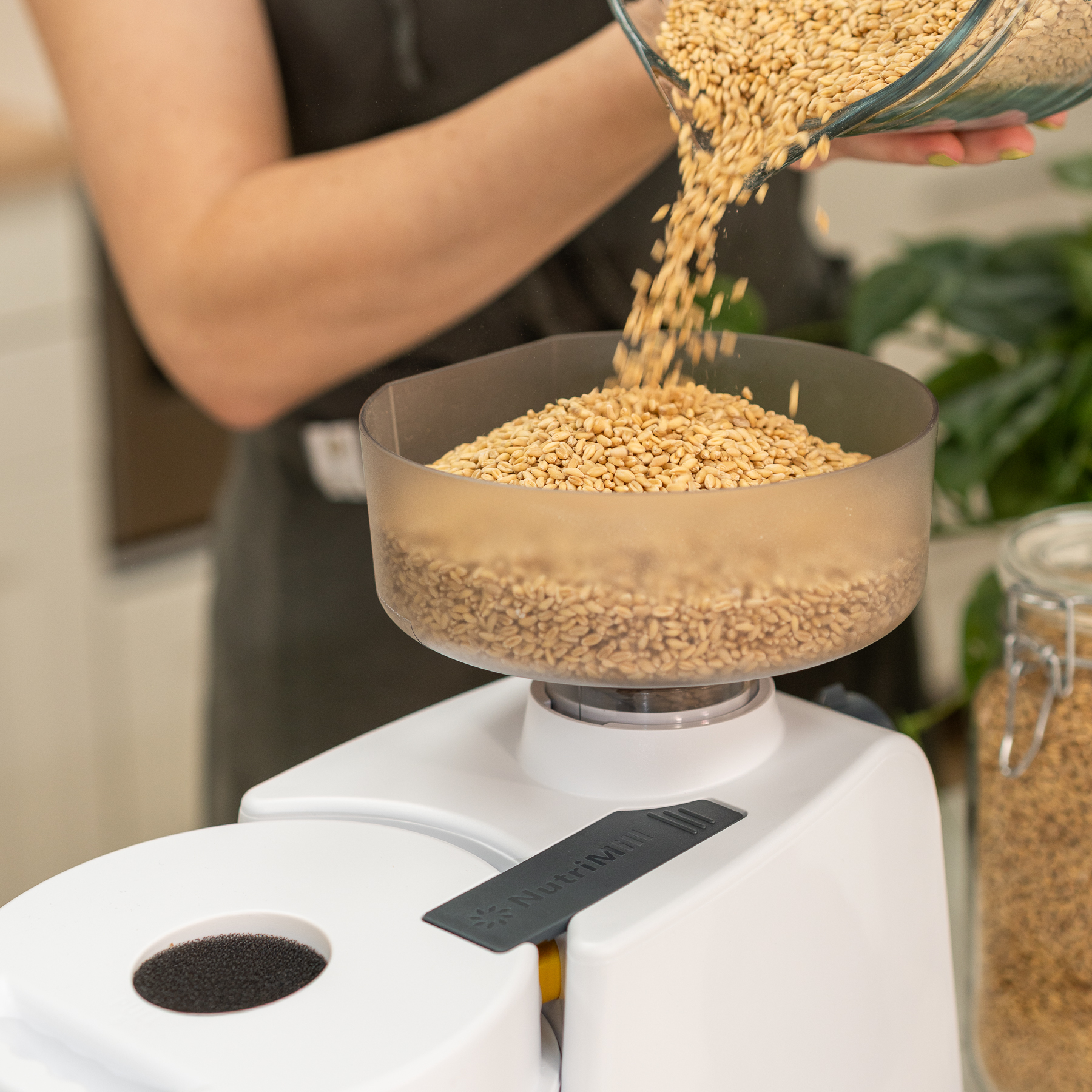
The NutriMill Grain Mills - Fresh Flour in Minutes
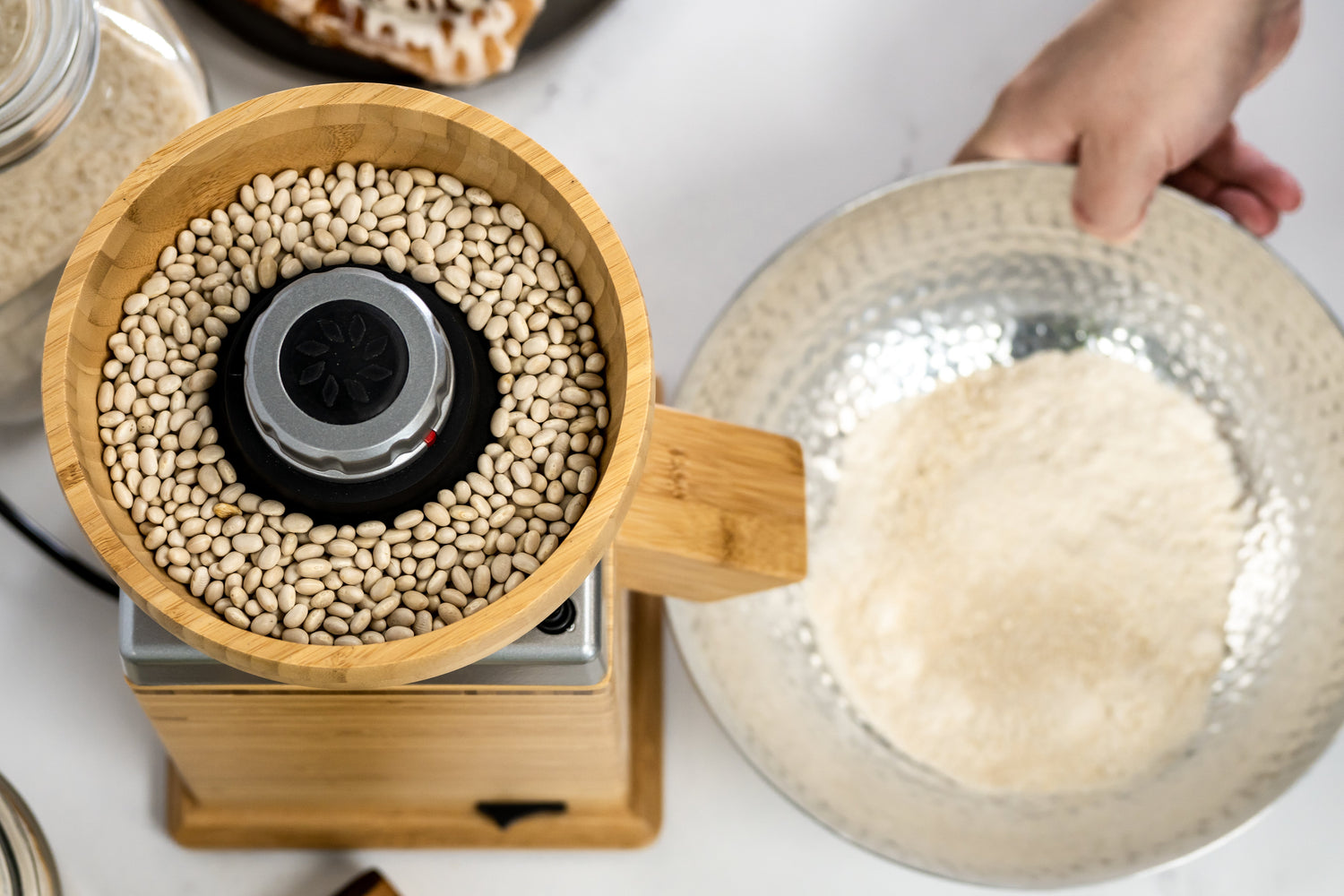
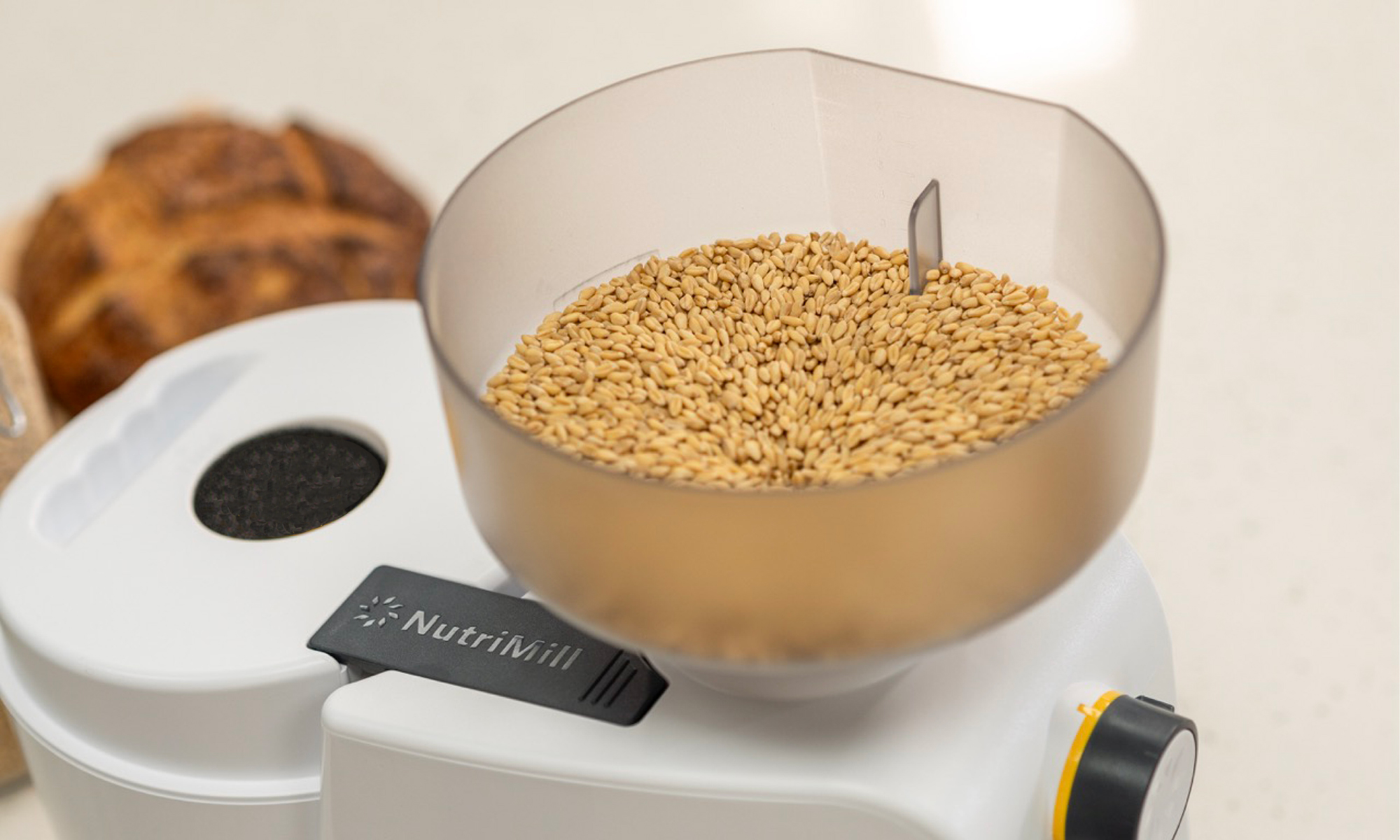
NutriMill's grain mills are designed for everyday home use, powerful enough to mill a wide variety of whole grains with precision, yet quiet and compact enough to live on your kitchen counter.
- Mills virtually any dry grain: Hard and soft wheat, spelt, einkorn, kamut, rye, millet, oats, rice, corn, and many more.
- Adjustable grind settings: From fine pastry flour to coarse cracked grains, giving you full control over texture.
- Built to last: NutriMill mills are engineered for durability, with a powerful motor and burr system designed to handle regular home use for years.
- Fast and efficient: Mill several cups of flour in just minutes, making fresh flour part of your everyday routine, not an all-day project.
For families trying to follow the 2026 guidelines' recommendation to prioritize fiber-rich whole grains and limit highly processed foods, the NutriMill grain mill is the most direct path from intention to action. Buy whole grain berries in bulk, which store for years in their whole kernel form, and mill only what you need, when you need it.
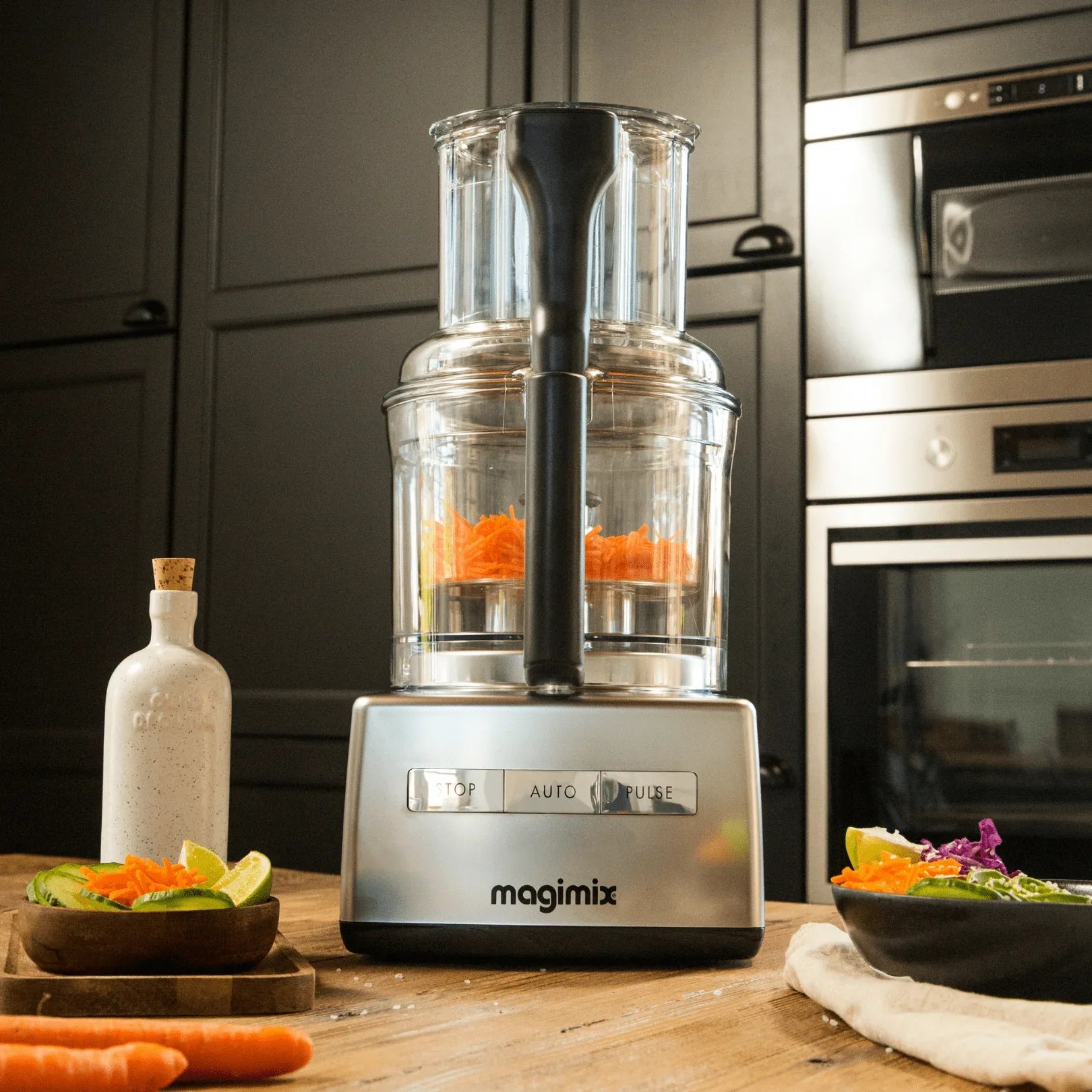
The NutriMill Artiste Kitchen Mixer - Where Fresh Flour Becomes Something Beautiful
Milling your own flour is step one. The NutriMill Artiste Kitchen Mixer makes step two, actually baking with it, a joy rather than a chore.
Whole-grain doughs made from freshly milled flour have a different character than refined-flour doughs. They're denser, more textured, and require a mixer with real power and capacity to develop the gluten properly. The Artiste is built for exactly this:
- Powerful motor: Engineered to handle heavy whole-grain bread doughs without straining or overheating.
- Large capacity bowl: Mix enough dough for multiple loaves at once, perfect for families or batch baking.
- Multiple speed settings: From gentle folding to vigorous kneading, giving you the control to work any dough to perfection.
- Versatile attachments: Whip cream, beat eggs, mix cookie dough, knead bread - the Artiste handles the full range of homemade baking tasks with ease.
Together, the NutriMill grain mill and the Artiste form a complete home baking system. Mill your grain fresh. Mix your dough beautifully. Bake bread your family can feel good about, made with whole grains and love. Because it was.
Homemade Matters™: More Than a Trend
Every few years, a new diet craze sweeps across America. Keto. Paleo. Gluten-free. Some of these trends contain kernels of real wisdom. Many are fads. But the 2026 Dietary Guidelines aren't a trend, they're the culmination of decades of nutrition science, distilled into a message that is refreshingly simple:
"Eat real food. Prioritize nutrient-dense foods. Prepare meals at home."
Homemade Matters™ has always been about more than bread. It's about reclaiming the act of nourishing your family as something meaningful, something worth your time and attention in a world of conveniences designed to make you forget that what you eat profoundly shapes how you live.
When you mill your own flour and bake your own bread, you know exactly what went into it. There are no artificial preservatives, no petroleum-based dyes, no refined byproducts, no mysterious additives that you can't pronounce. There's grain, water, yeast, and salt. Maybe honey. Maybe herbs. Real ingredients. Real food.
Choosing to bake with freshly milled whole grains is a genuinely countercultural act. It's also one of the most loving things you can do for your family.
The Bottom Line: The Guidelines Caught Up to Homemade
The 2026 Dietary Guidelines for Americans represent the most significant reset of federal nutrition policy in decades. Their core message, eat real food, prioritize whole grains, avoid highly processed products, and cook at home, is one that NutriMill has championed for years.
We didn't wait for the government to validate what we already knew. But we're glad the science is finally speaking as loudly as the bakers, the nutritionists, and the families who've been milling their own flour and baking their own bread for generations.
Homemade Matters™. It always has. And with NutriMill grain mills and the artiste kitchen mixer in your kitchen, it's never been easier to live that truth, one loaf, one batch of pancakes, one nourishing meal at a time.
Ready to start milling? Explore our grain mills, the Artiste mixer, and the whole grains that make it all possible.
This post is for general information only and is not medical or nutrition advice. Everyone is different, so talk with your doctor or a registered dietitian before changing your diet, especially if you have celiac disease, diabetes, food allergies, or another health condition.

Leave a comment
All comments are moderated before being published.
This site is protected by hCaptcha and the hCaptcha Privacy Policy and Terms of Service apply.