
Homemade Matters®
NutriMill Grain Mills Give You Flexibility to Create Raw, Natural, Pure Flour on Demand.
Compare Grain Mills
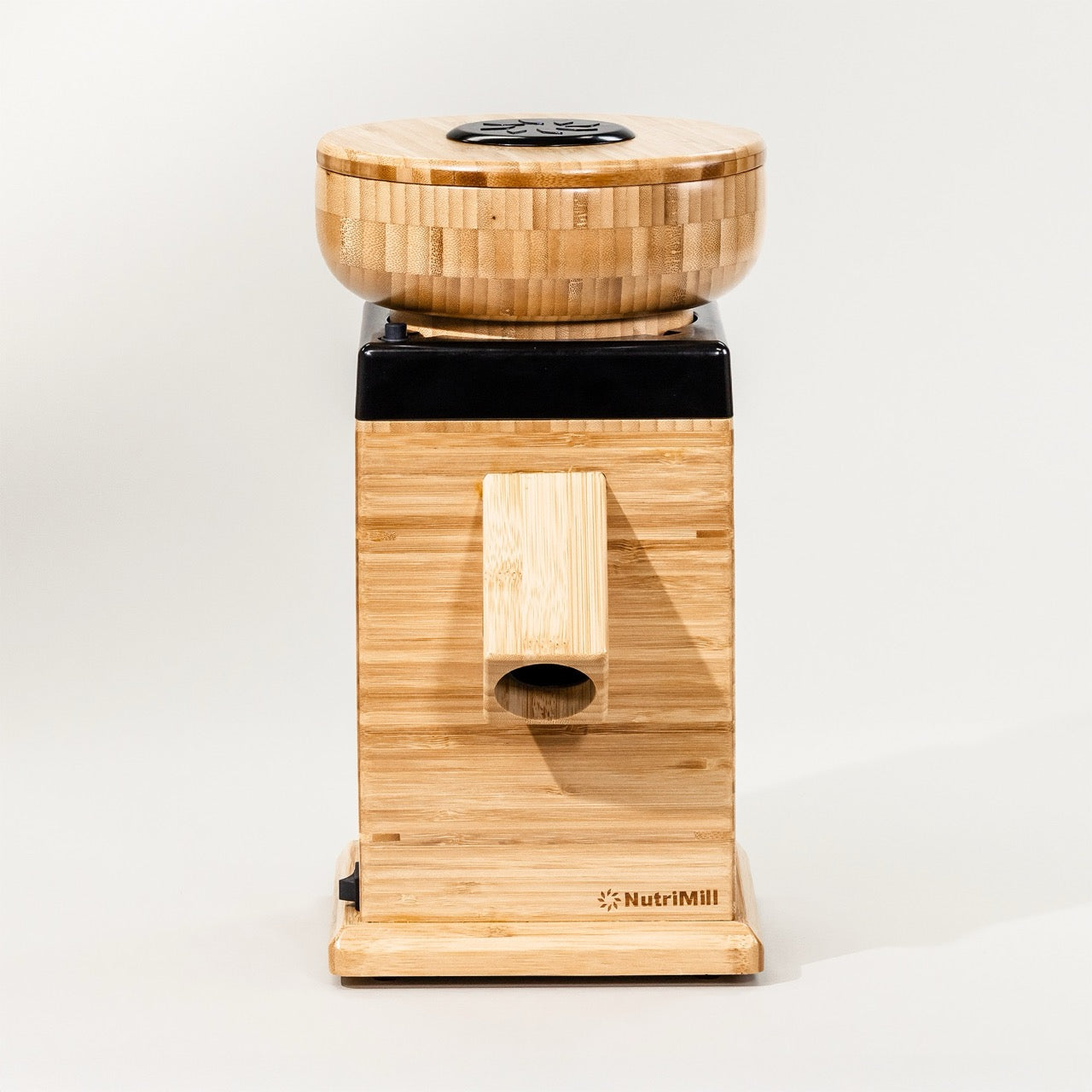
Bread Flour
Large Batches
Versatility
High Speed Impact
High Speed Impact
Stone Grind
Stainless Steel
Stainless Steel
Corundum Stone
Fine - Coarse
Fine - Coarse
Fine - Cracked
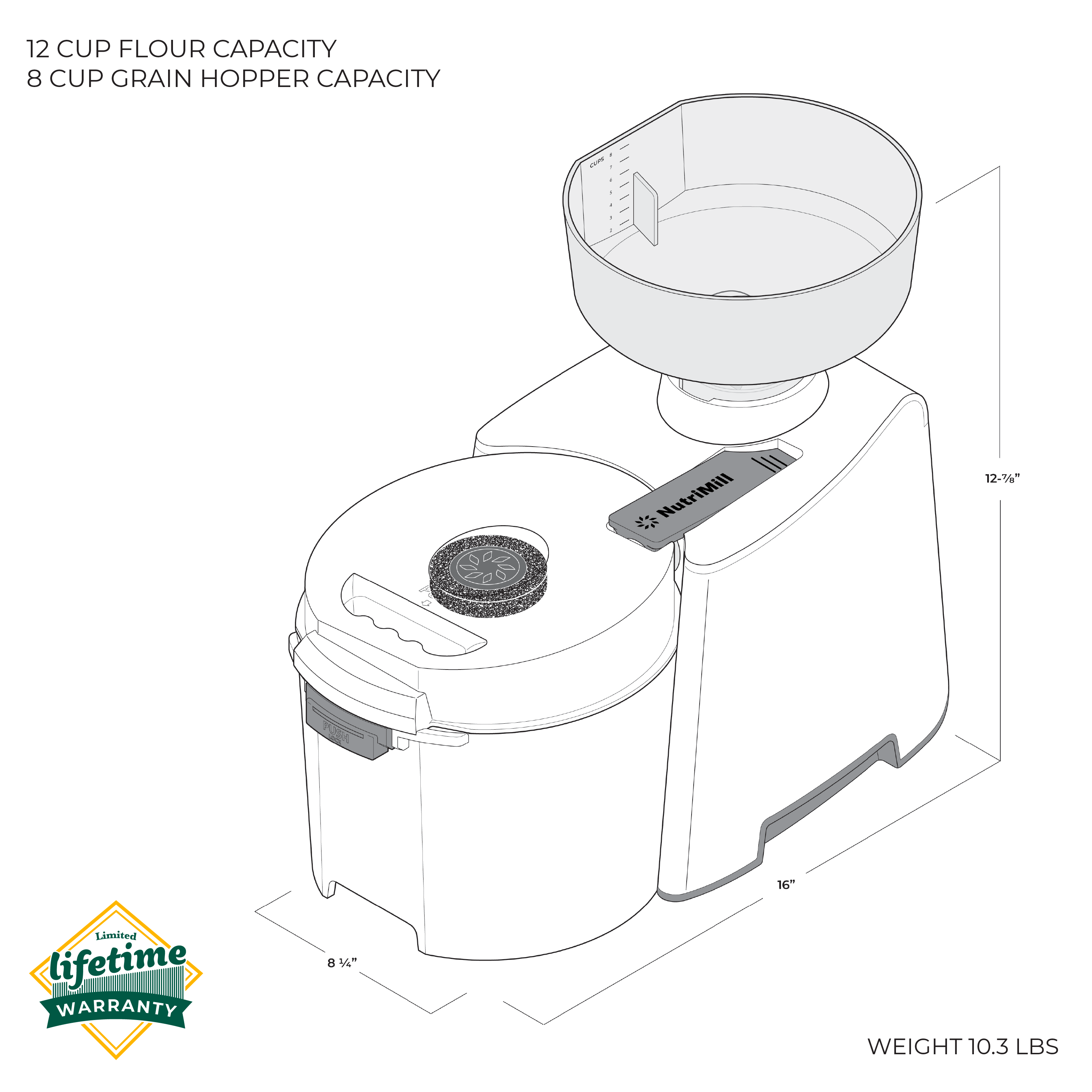
8 Cups
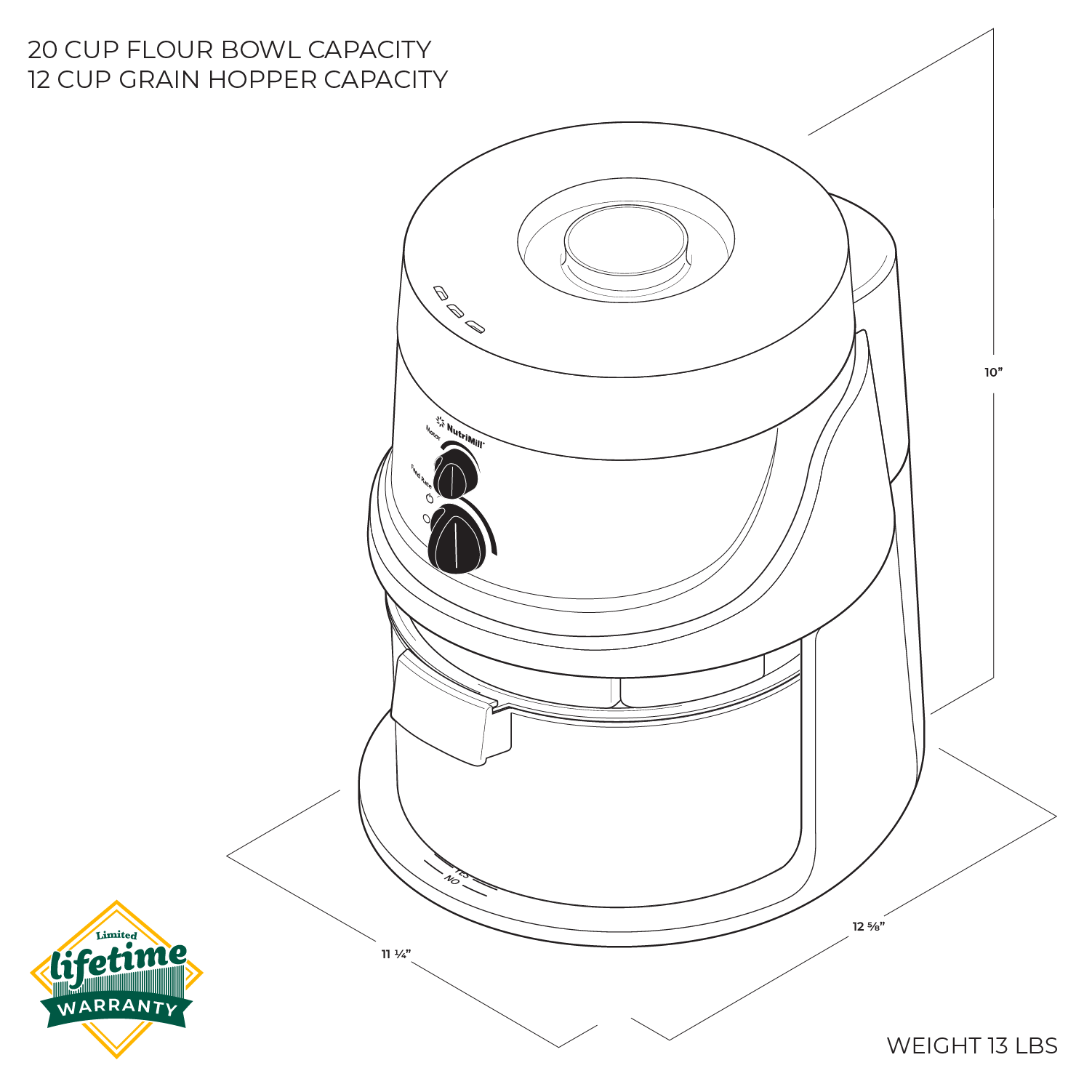
12 Cups
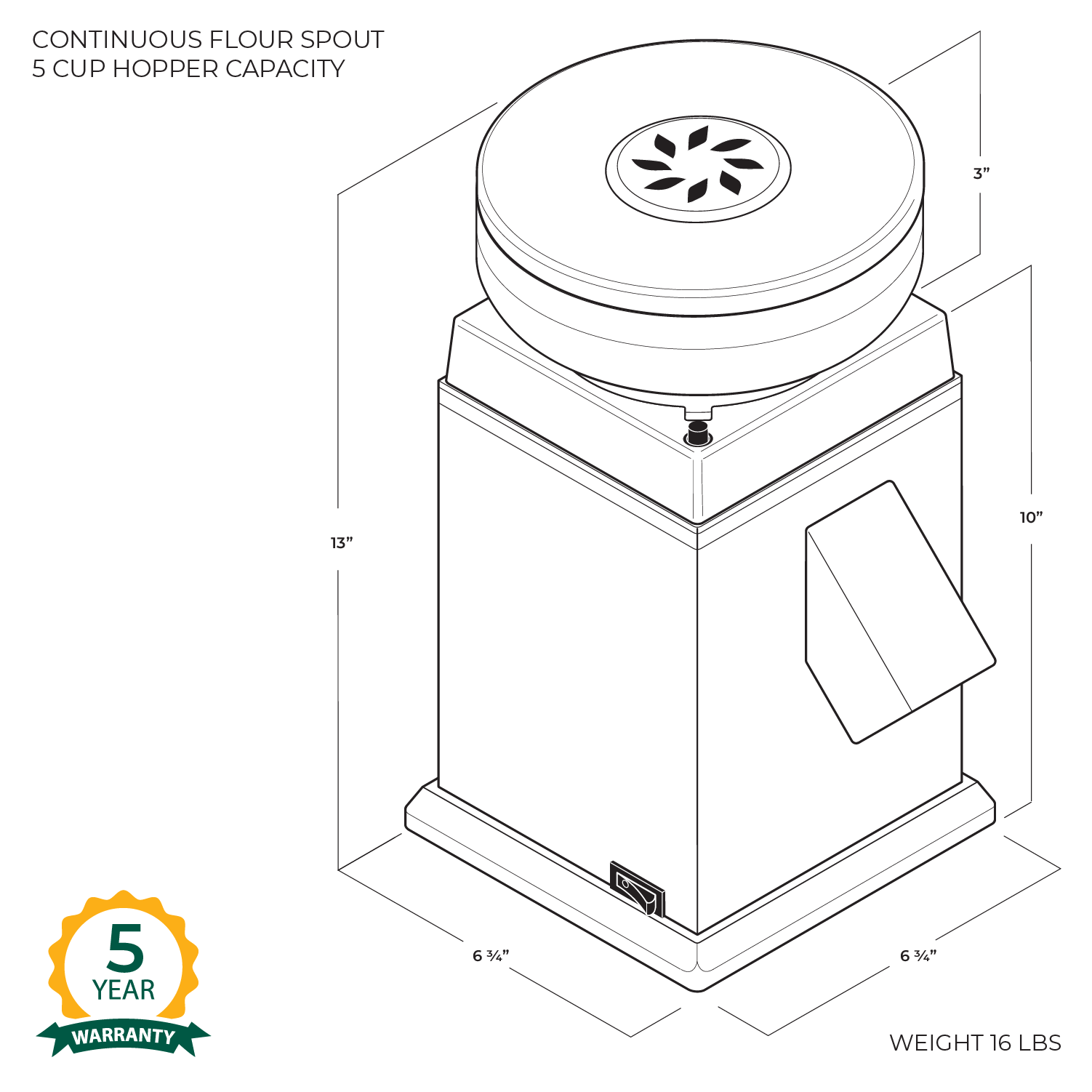
5 Cups
12 Cups
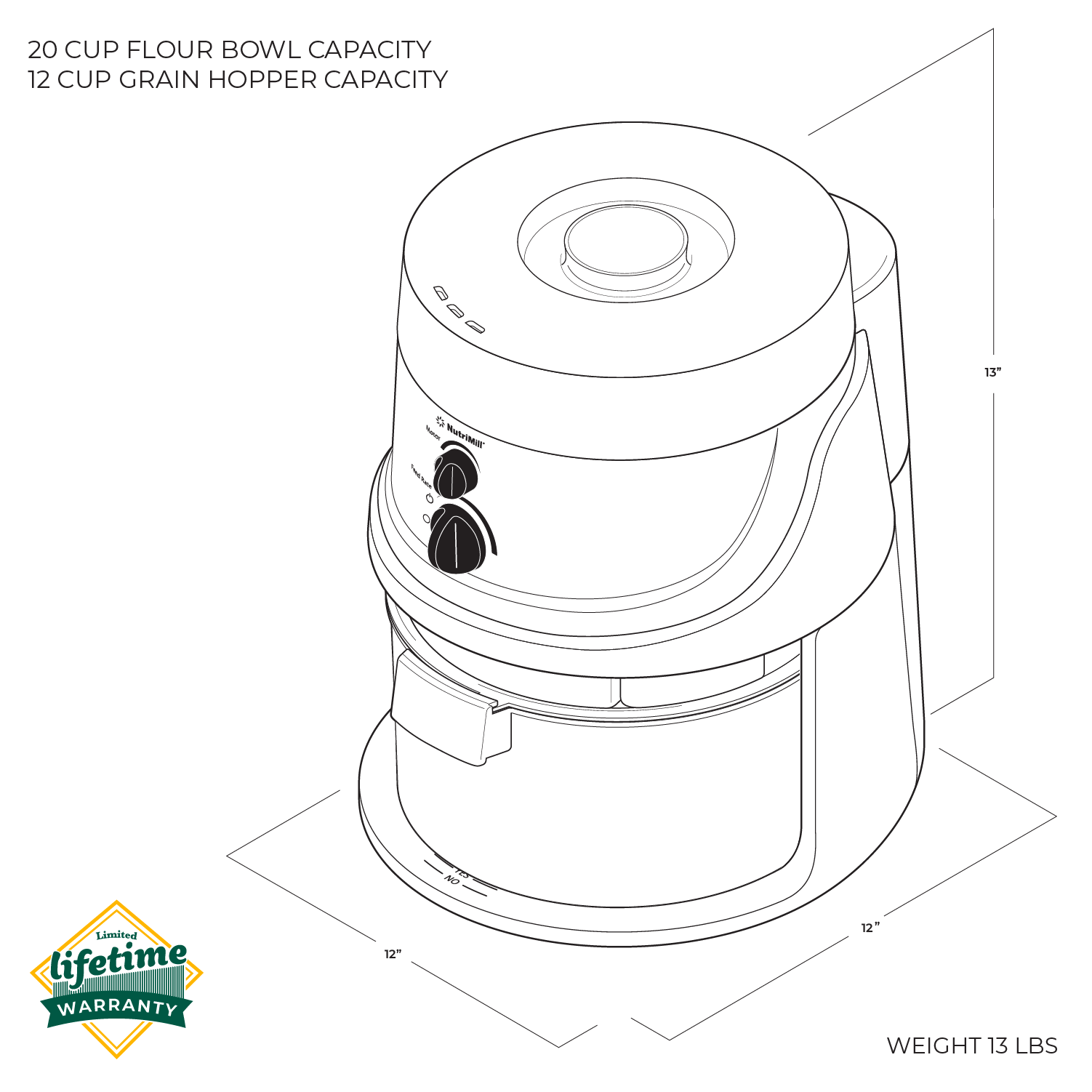
20 Cups
Continuous
~118°F average
~118°F average
100–115°F, varies with texture.
Small - Medium
Small - Large
Small - Extra Large
78-98 db
78-98 db
71-92 db
15.5"L x 8.25W" x 9"H
13.5"L x 11.5"W x 12"H
15.5"L x 8.25W" x 13"H
13.5"L x 11.5"W x 14.5"H
9"L x 6"W x 13"H
1200-watt motor
1200-watt motor
450-watt motor
Limited Life Time
Limited Life Time
5 - Year
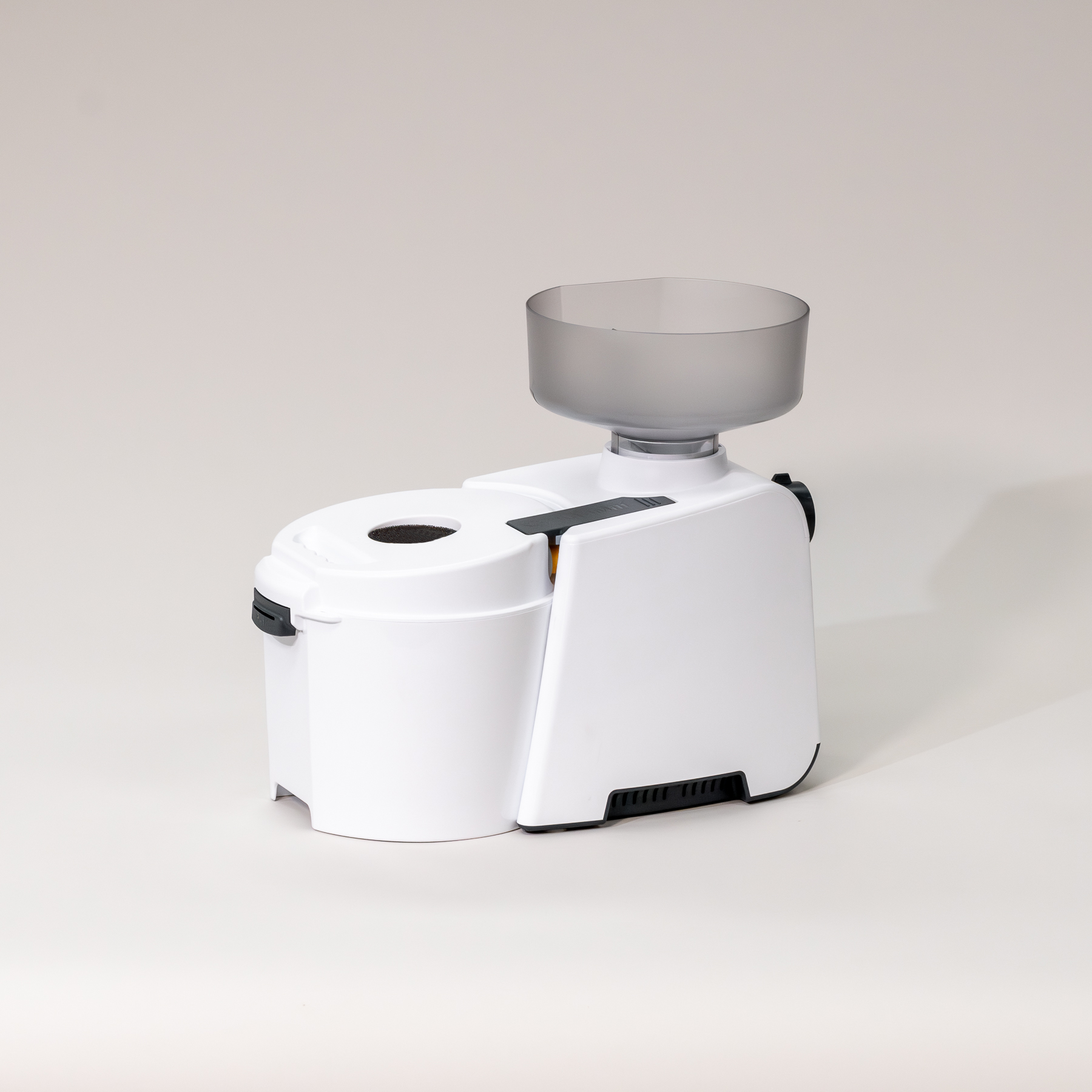
Impact
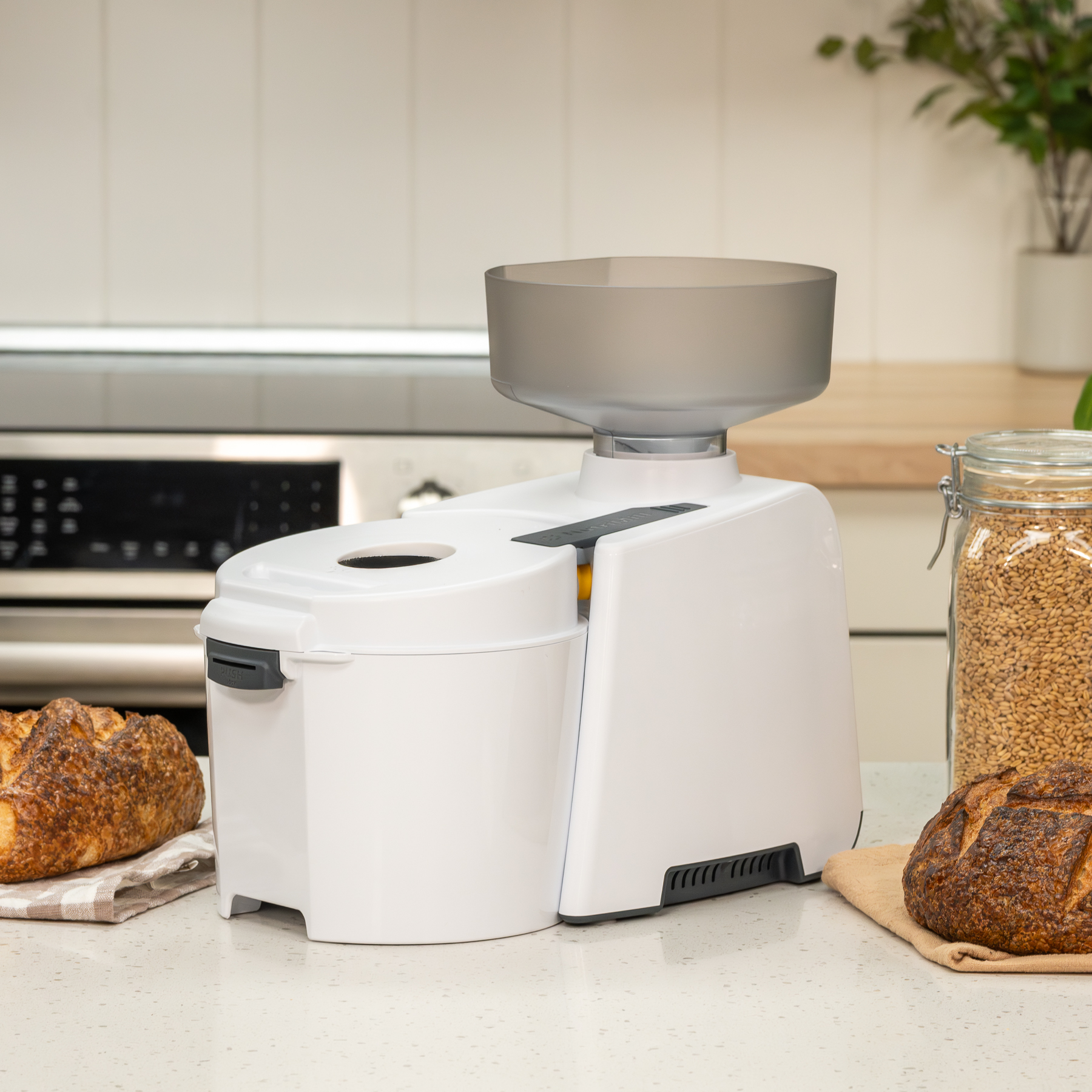
High Speed Grain Mill
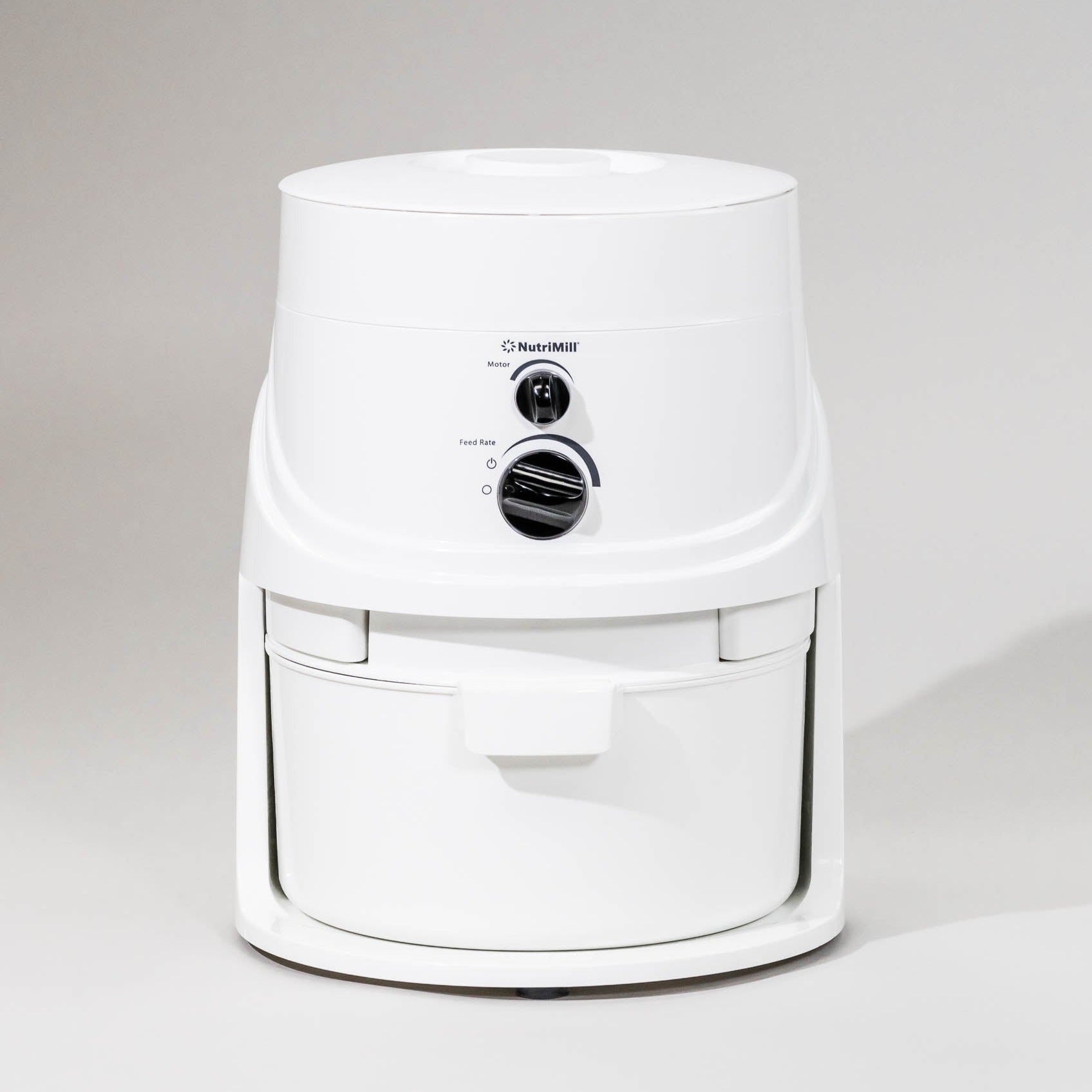
Classic
High Speed Grain Mill
Harvest
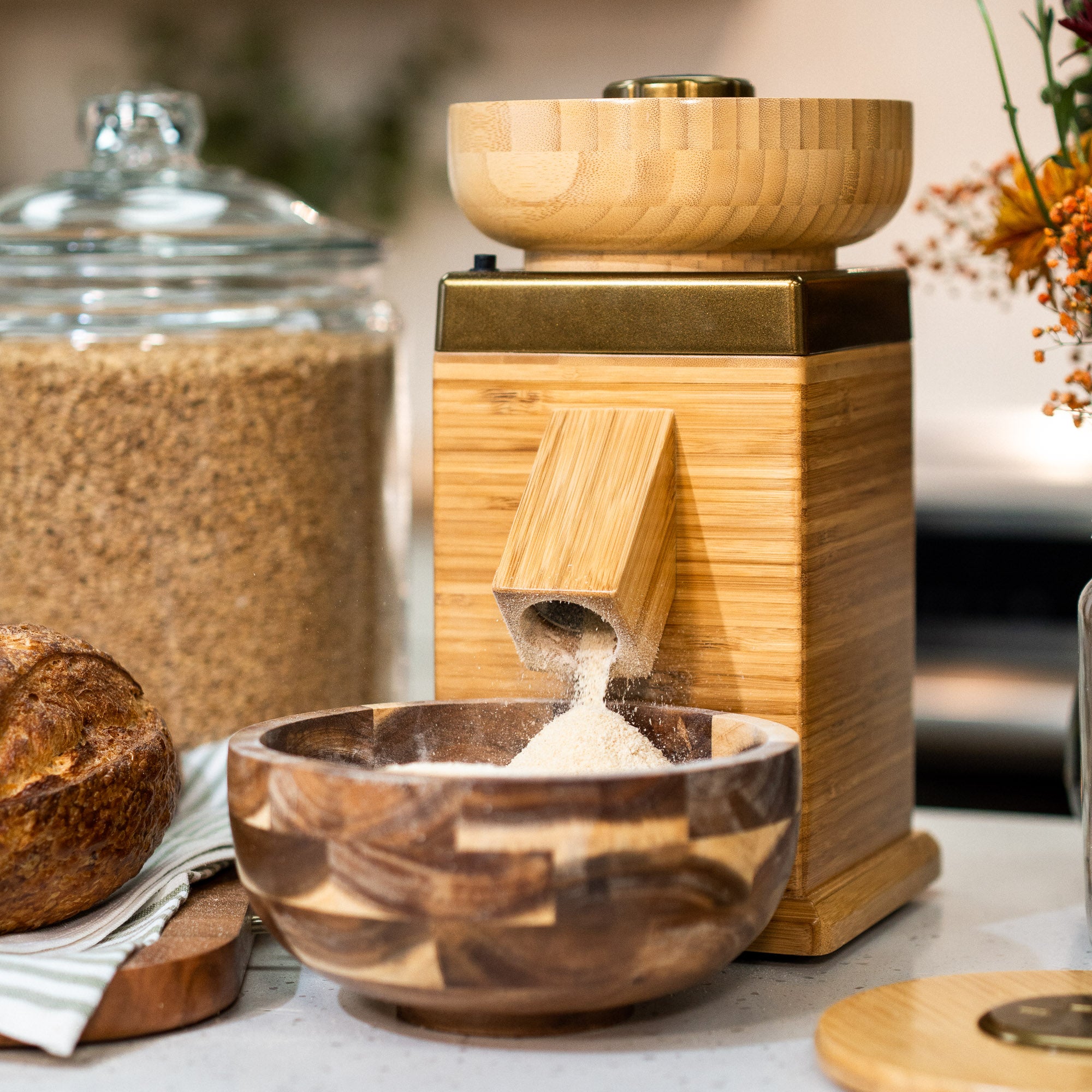
Stone Grain Mill
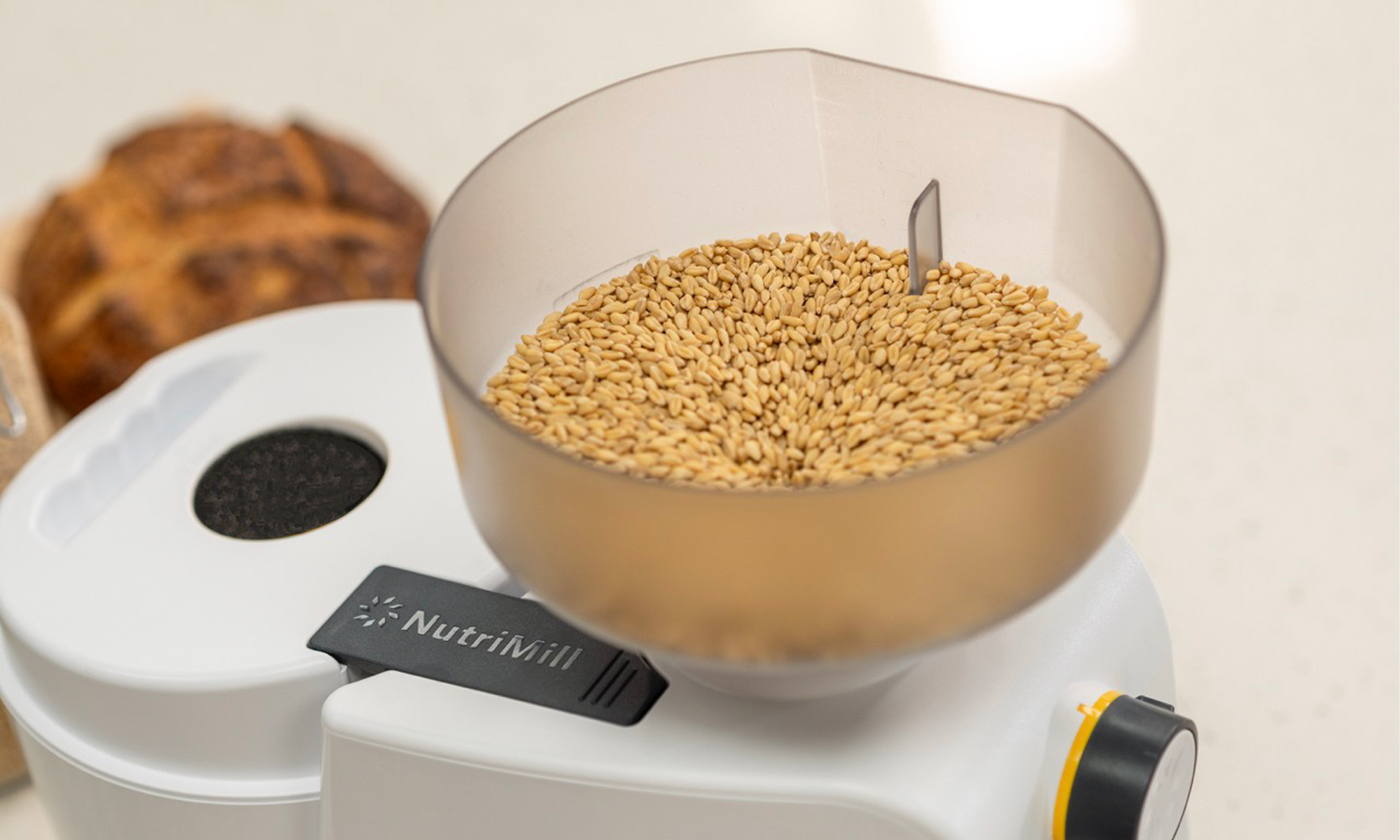
How Whole Grain Can Transform Your Health
The Whole Story
You've heard eating whole grains improves health. But before you dive right in - make sure you understand what "whole grain" actually means. The Whole Grains Council requires qualifying foods to contain 100% of the original kernel (including the bran, germ, and endosperm).
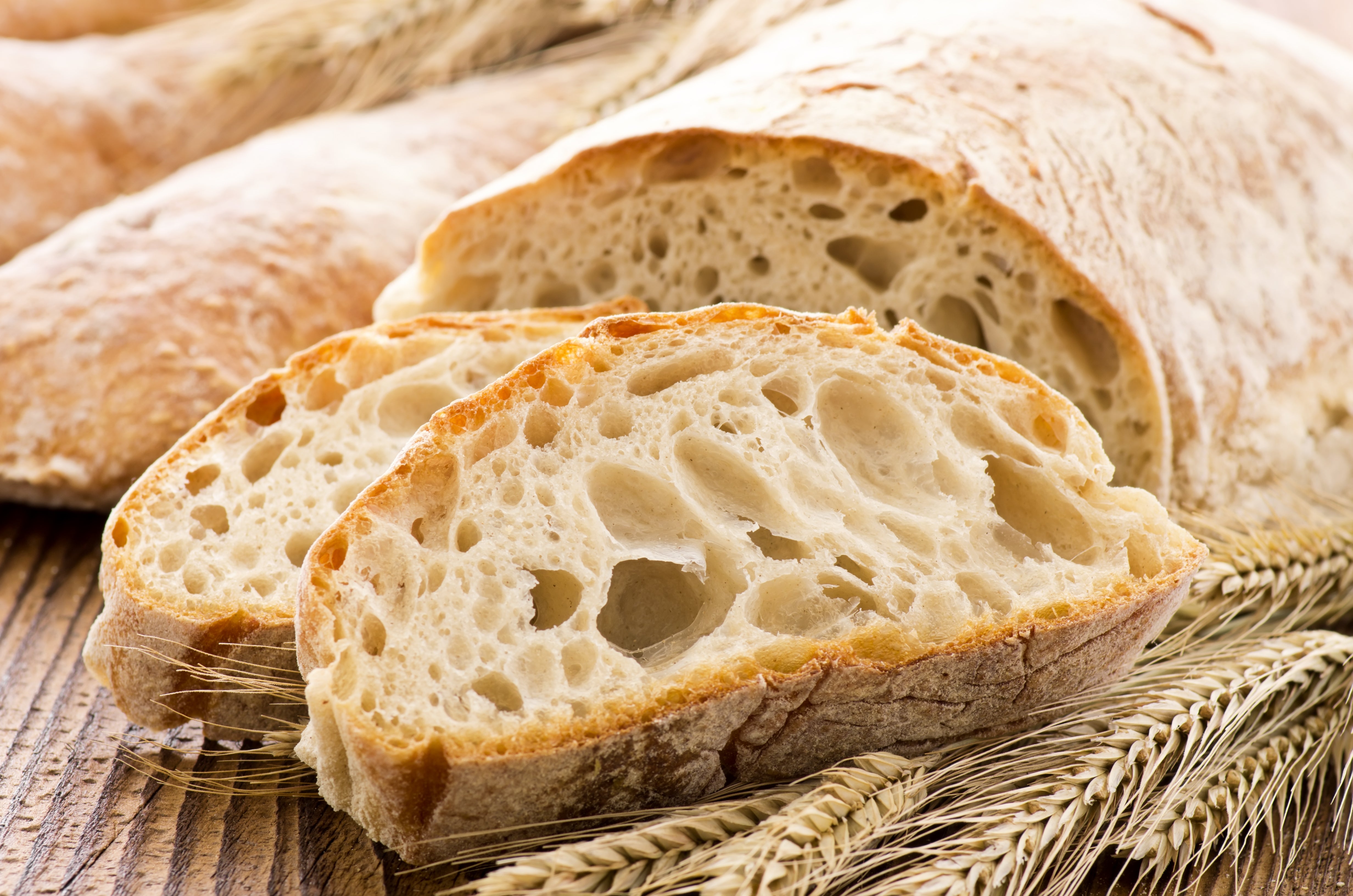
The Great Grain Robbery
Common flour processing extracts the bran, middlings, wheat germ, and wheat germ oil. Those key components contain 80-90% of the useful vitamins and minerals found in whole grains. In its natural form, a kernel of whole grain is "the staff of life".
The Culprit?
Whole Grains have been robbed of the basic building blocks of nutrition. You are left with processed white flour, which is found on most store shelves. This processed flour is "dead," and can actually be detrimental to your health.
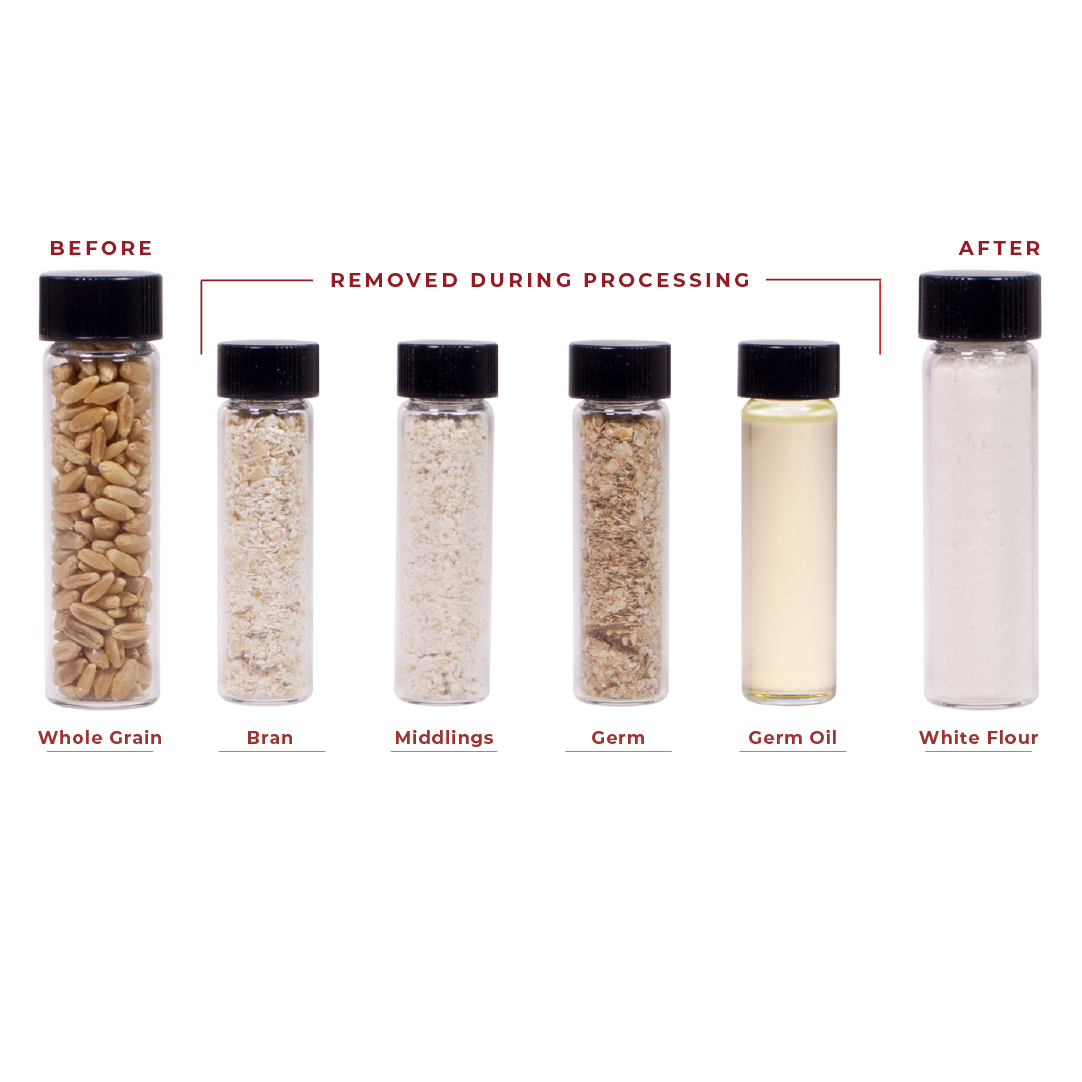
Processed Flour
- Whole Grain - Over 30 known nutrients, protective shell locks in Nutrients.
- Bran - Insoluble fiber aids regularity, high in trace minerals, and satisfies hunger quickly.
- Middlings - Balances blood sugar, and helps maintain energy levels.
- Germ - Nutrient-rich for intestinal health, detoxifies blood, and cardiovascular health booster.
- Germ Oil - Highest vitamin E content of any (non-fortified) food.
- White Flour - Harmful pesticides, fungicides, bleaching, maturing and agents synthetic vitamins added.

Chemicals & Additives in Commercial Flour
- Ammonium Sulfate: Commonly used as fertilizer and flame retardant.
- Potassium Bromate: Banned in several countries due to safety concerns despite FDA approval.
- Mono-And Diglycerides: Prevents bread staleness, but is a chemical additive.
- Calcium Propionate: Linked to allergic reactions and sleep issues in children.
- L. Cysteine: Derived from human or animal hair; used as a dough conditioner.
- Sodium Stearoyl Lactate: May worsen digestive issues in lactose intolerant individuals.
Take Control of Your Food
- Security - Gain peace of mind, with the long-term warranty.
- Confidence - Handle tough jobs with industry's strongest milling heads.
- Savings - Manage your budget with fewer trips to the grocery store.
- Choices - Go gluten-free or add on innovative attachments.
- Efficient - Mill large quantities of grains and legumes on demand.
- Flexibility - Texture control and single switch shut-off features.
- Nutrition - Incorporate fresh, flavorful vitamins every meal.
Mill any non-oily grains or legumes
Mill Any of the Following
Whole Grains
Kamut - Nutrient-rich ancient wheat grain, milled for its protein, fiber, vitamins, and minerals.
Spelt - Ancient grain with a sweet, nutty flavor, milled for its fiber, protein, vitamins, and minerals.
Barley - Versatile grain with nutty flavor, milled for fiber, vitamins, minerals, and heart health benefits.
Farro - Chewy, nutty ancient wheat grain, milled for high protein, fiber, vitamins, and minerals.
Rye - Hearty grain with sour flavor, milled for fiber, vitamins, minerals, and blood sugar control.
Soft Wheat - Mild-flavored wheat for baking cakes, pastries, and some bread.
Hard Wheat - High-protein wheat for bread and pasta, milled for gluten structure.
Triticale - Hybrid grain for protein, fiber, vitamins, minerals, and culinary versatility.
Emmer - Ancient grain with nutty flavor, milled for protein, fiber, vitamins, and minerals.
Einkorn - Oldest cultivated wheat, rich in flavor and nutrients, milled for protein, fiber, vitamins, and minerals.
Bulgur Wheat - Its high fiber content, rich nutrients, and whole grain benefits, offering versatile culinary applications and promoting satiety and weight management.
For any grains not listed above, mill only ¼ cup, then test the flour by pinching a small amount between your thumb and finger. If it holds the shape of a pinch and does not fall apart, it contains too much moisture. Do not mill this grain.
Gluten-Free Grains
Dried Sweet Corn - Milling sweet corn produces cornmeal, ideal for baking sweet treats like cornbread and muffins.
Oat Groats - Rich in fiber and nutrients, perfect for hearty baked goods such as bread and cookies.
White Rice - Commonly used in gluten-free baking to achieve light and delicate textures in pastries and cakes.
Brown Rice - Retains its nutritional value, offering a fiber-rich alternative for baking bread and thickening sauces.
Teff - Gluten-free and nutrient-dense, making it a suitable choice for baking bread, muffins, and cookies.
Sorghum - Packed with antioxidants and minerals, enhancing the nutritional profile of gluten-free baked goods like bread and cakes.
Millet - Mild-flavored flour, perfect for gluten-free baking, adding a slightly sweet taste and light texture to bread and cookies.
Buckwheat - Nutrient-rich and gluten-free, ideal for making pancakes, noodles, and bread with a distinctive earthy flavor.
Quinoa - Gluten-free and high in protein, making it a nutritious choice for baking bread, muffins, and cookies.
Amaranth - Dense and nutty, adding a unique flavor and texture to baked goods like bread and cookies while providing essential nutrients.
Kaniwa - Similar to quinoa, is a nutrient-rich pseudo-grain packed with protein, fiber, and essential minerals such as iron and calcium.
For any grains not listed above, mill only ¼ cup, then test the flour by pinching a small amount between your thumb and finger. If it holds the shape of a pinch and does not fall apart, it contains too much moisture. Do not mill this grain.
Gluten-Free Legumes
Lentils - Protein-rich and fiber-packed ingredient ideal for gluten-free baking, adding nutritional value to bread, pancakes, and other baked goods.
Chickpeas - Versatile gluten-free option packed with protein and fiber, commonly used in baking for bread, cakes, and savory dishes like falafel.
Baby Lima Beans - Rich in protein and fiber, suitable for gluten-free baking, contributing a delicate texture and buttery flavor to bread and cookies.
Mung Beans - Gluten-free and protein-rich, perfect for baking bread, pancakes, and desserts, adding a slightly sweet and nutty taste.
Black Beans - Gluten-free option packed with protein, fiber, and essential nutrients, ideal for baking bread, brownies, and other treats with a rich, earthy flavor.
Navy Beans - High in protein and fiber, suitable for gluten-free baking, adding moisture and a creamy texture to bread, muffins, and cookies.
Split Peas - Rich in protein and fiber, commonly used in baking for bread, pancakes, and savory dishes like split pea soup, imparting a hearty flavor and texture.
Pinto Beans - Nutritious gluten-free option rich in protein and fiber, ideal for baking bread, tortillas, and other treats with a slightly sweet and nutty taste.
Soybeans - Protein-packed option suitable for gluten-free baking, used in bread, cookies, and other baked goods, providing a rich and nutty flavor.
Anasazi Beans - Vibrant color and creamy texture, offer a nutritious source of protein, fiber, and various vitamins and minerals, contributing to a balanced diet and culinary diversity.
Kidney Beans - Nutrient-rich source of protein, fiber, iron, and potassium, supporting heart health and digestion.
For any grains not listed above, mill only ¼ cup, then test the flour by pinching a small amount between your thumb and finger. If it holds the shape of a pinch and does not fall apart, it contains too much moisture. Do not mill this grain.
Kamut - Nutrient-rich ancient wheat grain, milled for its protein, fiber, vitamins, and minerals.
Spelt - Ancient grain with a sweet, nutty flavor, milled for its fiber, protein, vitamins, and minerals.
Barley - Versatile grain with nutty flavor, milled for fiber, vitamins, minerals, and heart health benefits.
Farro - Chewy, nutty ancient wheat grain, milled for high protein, fiber, vitamins, and minerals.
Rye - Hearty grain with sour flavor, milled for fiber, vitamins, minerals, and blood sugar control.
Soft Wheat - Mild-flavored wheat for baking cakes, pastries, and some bread.
Hard Wheat - High-protein wheat for bread and pasta, milled for gluten structure.
Triticale - Hybrid grain for protein, fiber, vitamins, minerals, and culinary versatility.
Emmer - Ancient grain with nutty flavor, milled for protein, fiber, vitamins, and minerals.
Einkorn - Oldest cultivated wheat, rich in flavor and nutrients, milled for protein, fiber, vitamins, and minerals.
Bulgur Wheat - Its high fiber content, rich nutrients, and whole grain benefits, offering versatile culinary applications and promoting satiety and weight management.
For any grains not listed above, mill only ¼ cup, then test the flour by pinching a small amount between your thumb and finger. If it holds the shape of a pinch and does not fall apart, it contains too much moisture. Do not mill this grain.
Dried Sweet Corn - Milling sweet corn produces cornmeal, ideal for baking sweet treats like cornbread and muffins.
Oat Groats - Rich in fiber and nutrients, perfect for hearty baked goods such as bread and cookies.
White Rice - Commonly used in gluten-free baking to achieve light and delicate textures in pastries and cakes.
Brown Rice - Retains its nutritional value, offering a fiber-rich alternative for baking bread and thickening sauces.
Teff - Gluten-free and nutrient-dense, making it a suitable choice for baking bread, muffins, and cookies.
Sorghum - Packed with antioxidants and minerals, enhancing the nutritional profile of gluten-free baked goods like bread and cakes.
Millet - Mild-flavored flour, perfect for gluten-free baking, adding a slightly sweet taste and light texture to bread and cookies.
Buckwheat - Nutrient-rich and gluten-free, ideal for making pancakes, noodles, and bread with a distinctive earthy flavor.
Quinoa - Gluten-free and high in protein, making it a nutritious choice for baking bread, muffins, and cookies.
Amaranth - Dense and nutty, adding a unique flavor and texture to baked goods like bread and cookies while providing essential nutrients.
Kaniwa - Similar to quinoa, is a nutrient-rich pseudo-grain packed with protein, fiber, and essential minerals such as iron and calcium.
For any grains not listed above, mill only ¼ cup, then test the flour by pinching a small amount between your thumb and finger. If it holds the shape of a pinch and does not fall apart, it contains too much moisture. Do not mill this grain.
Lentils - Protein-rich and fiber-packed ingredient ideal for gluten-free baking, adding nutritional value to bread, pancakes, and other baked goods.
Chickpeas - Versatile gluten-free option packed with protein and fiber, commonly used in baking for bread, cakes, and savory dishes like falafel.
Baby Lima Beans - Rich in protein and fiber, suitable for gluten-free baking, contributing a delicate texture and buttery flavor to bread and cookies.
Mung Beans - Gluten-free and protein-rich, perfect for baking bread, pancakes, and desserts, adding a slightly sweet and nutty taste.
Black Beans - Gluten-free option packed with protein, fiber, and essential nutrients, ideal for baking bread, brownies, and other treats with a rich, earthy flavor.
Navy Beans - High in protein and fiber, suitable for gluten-free baking, adding moisture and a creamy texture to bread, muffins, and cookies.
Split Peas - Rich in protein and fiber, commonly used in baking for bread, pancakes, and savory dishes like split pea soup, imparting a hearty flavor and texture.
Pinto Beans - Nutritious gluten-free option rich in protein and fiber, ideal for baking bread, tortillas, and other treats with a slightly sweet and nutty taste.
Soybeans - Protein-packed option suitable for gluten-free baking, used in bread, cookies, and other baked goods, providing a rich and nutty flavor.
Anasazi Beans - Vibrant color and creamy texture, offer a nutritious source of protein, fiber, and various vitamins and minerals, contributing to a balanced diet and culinary diversity.
Kidney Beans - Nutrient-rich source of protein, fiber, iron, and potassium, supporting heart health and digestion.
For any grains not listed above, mill only ¼ cup, then test the flour by pinching a small amount between your thumb and finger. If it holds the shape of a pinch and does not fall apart, it contains too much moisture. Do not mill this grain.
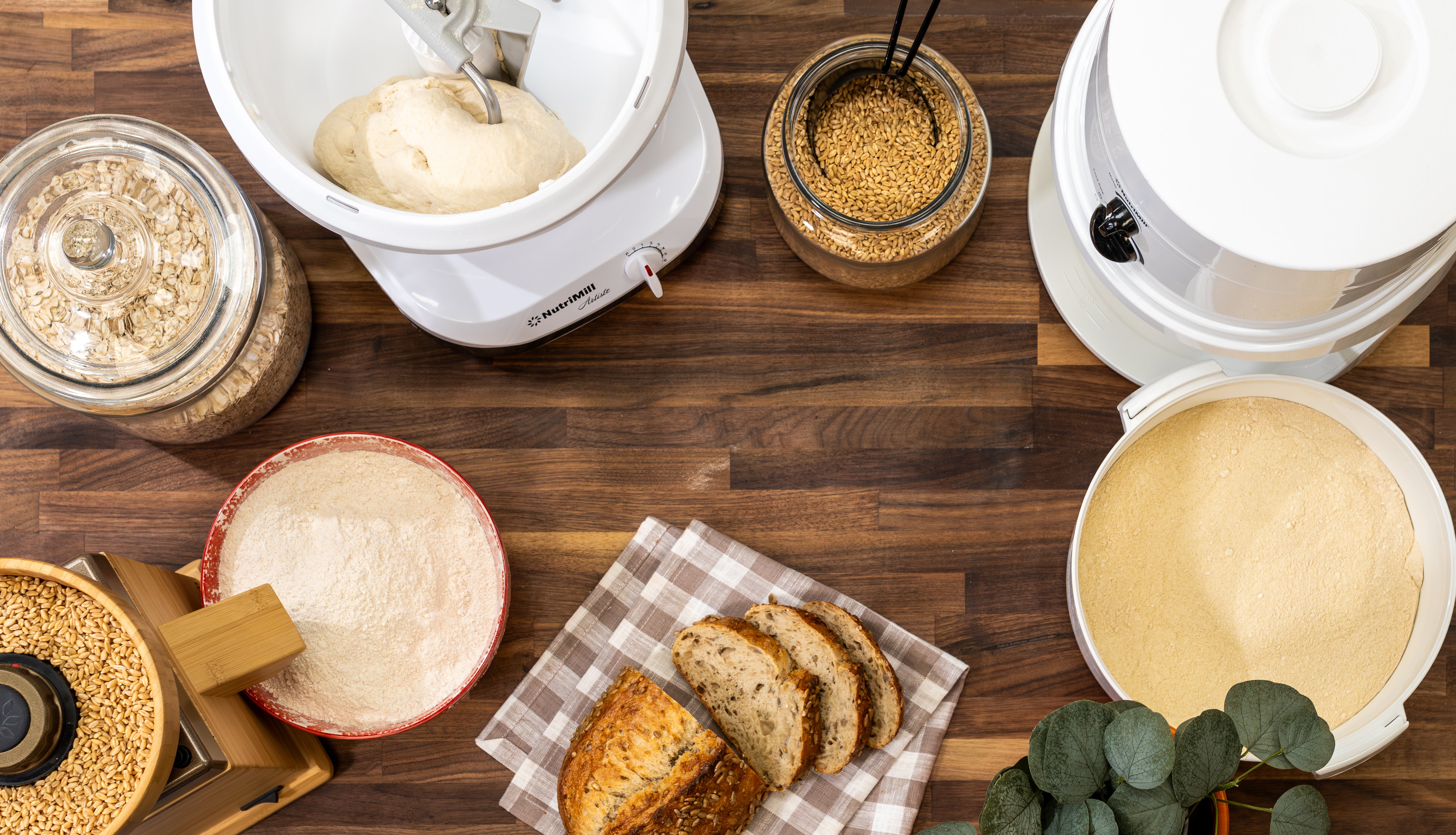
The Fresher the Flour, the Fresher the Food.
Helpful Tips for Freshly Milled Flour
Converting Measurements
Converting recipes from refined white flour to whole grain flour is often a matter of trial and error. Many factors, such as the type of recipe, your climate, and your choice of texture when grinding, all play a part in the final results. Keep notes on how much flour you use and whether more or less is needed next time. It may take a few attempts before you find just the right amount to suit your taste.
Hard vs. Soft Wheat
Soft wheat flour, also known as whole wheat pastry flour, has less protein and creates a lighter textured product than hard wheat. Soft wheat does not work as well for yeast breads, but it is excellent for cakes, cookies, muffins, etc. Soft wheat is closer to all-purpose flour and need not be adjusted as much as hard wheat flour when converting recipes. Hard wheat flour is higher in protein than soft wheat flour. Hard wheat can be used for every type of recipe, but is essential for yeast breads.
Slowly Integrate into Diet
Add whole grains to your diet gradually, to help your family's taste buds and digestive systems adjust. Start by replacing 25% (or less) of the white flour in your favorite recipes with whole grain flour. Gradually increase to 50% whole grain flour, and so on. Most recipes work well without adjustments until you begin substituting more than 50% whole grain flour.
Storing
After milling grains & legumes, refrigerate or freeze any leftover flour to preserve as many nutrients as possible. Flour may be stored up to 2 weeks in the refrigerator or up to 3-6 months in the freezer.
Mixing Grains
Grains may be mixed and milled together at the same time. Choose grains of similar size for best results. Try a variety of flour mixtures to add variety, flavor, and texture to your recipes.
Adjust Flavor
Increase the amount of herbs and spices in your recipe by up to 50%. White flour is neutral and has no flavor, but whole grain and bean flours can mask the taste of other ingredients.
Conversion
For each cup of white flour in a recipe, replace with 3/4 to 7/8 cup of hard whole wheat flour or 7/8 to 1 cup of soft wheat flour. Whole grain flours absorb more liquid than all-purpose flour, so instead of using less flour, you may increase the liquid called for in the recipe.
Need Extra Protein?
Bean flours provide extra protein and may be added in small quantities to any baked goods. You can replace up to 10%-25% of the wheat flour in your recipes with almost any bean, pea or lentil flour.
Autolyse
Mix flour and water in bread making, let it rest before adding other ingredients. Improves gluten development for easier handling, enhances flavor and texture. Simple yet effective technique for homemade bread.
We love this mill [Harvest]! Its easy and fast and a true stone grind. We have been making bread for everyone we love!
The NutriMill [Harvest] works great and is so easy to use. My kids love using it, and baking with fresh flour is a game changer!
I absolutely love it [Classic]! It is about as loud as a vacuum, grinds fast, And is easy to clean. I highly recommend if.
Fine fluffy flour, does [Classic] the job very well.
FAQ
Frequently Asked Questions
What are grain mills used for?
Grain mills are for grinding grains into flour or meal, ideal for baking, cooking, or other culinary needs.
Why should I mill my own grains?
Milling your own grains offers fresher flour with enhanced flavor and nutritional value versus store-bought options. It grants control over the grind texture and guarantees no additives or preservatives.
What is the difference between stone and high speed in grain mills?
Stone Milling heads are commonly found in traditional grain mills, and provide a natural texture.
High speed grain mills use stainless steel milling heads that quickly pulverize grains into flour. This process is not only fast but also prevents excessive heat build up.
How long does it take to mill grains with a grain mill?
The milling time varies based on type of mill, grain type, feed rate, and motor speed. Finer flour takes more time to mill. Compared to coarse flour that flows through the mill more quickly.
How do I store freshly milled flour?
Freshly ground flour must be stored in an airtight container in a cool, dry area to preserve its freshness and avoid spoilage. Some individuals opt to keep flour in the refrigerator or freezer for extended shelf life.
Can I use a grain mill to make gluten-free flour?
Grain mills can grind gluten-free grains like rice, quinoa, and millet for flour. Once a mill has been used with gluten grains, then the flour from that grain mill cannot be considered 100% gluten free. (We offer replacement stones if switching to gluten free.)
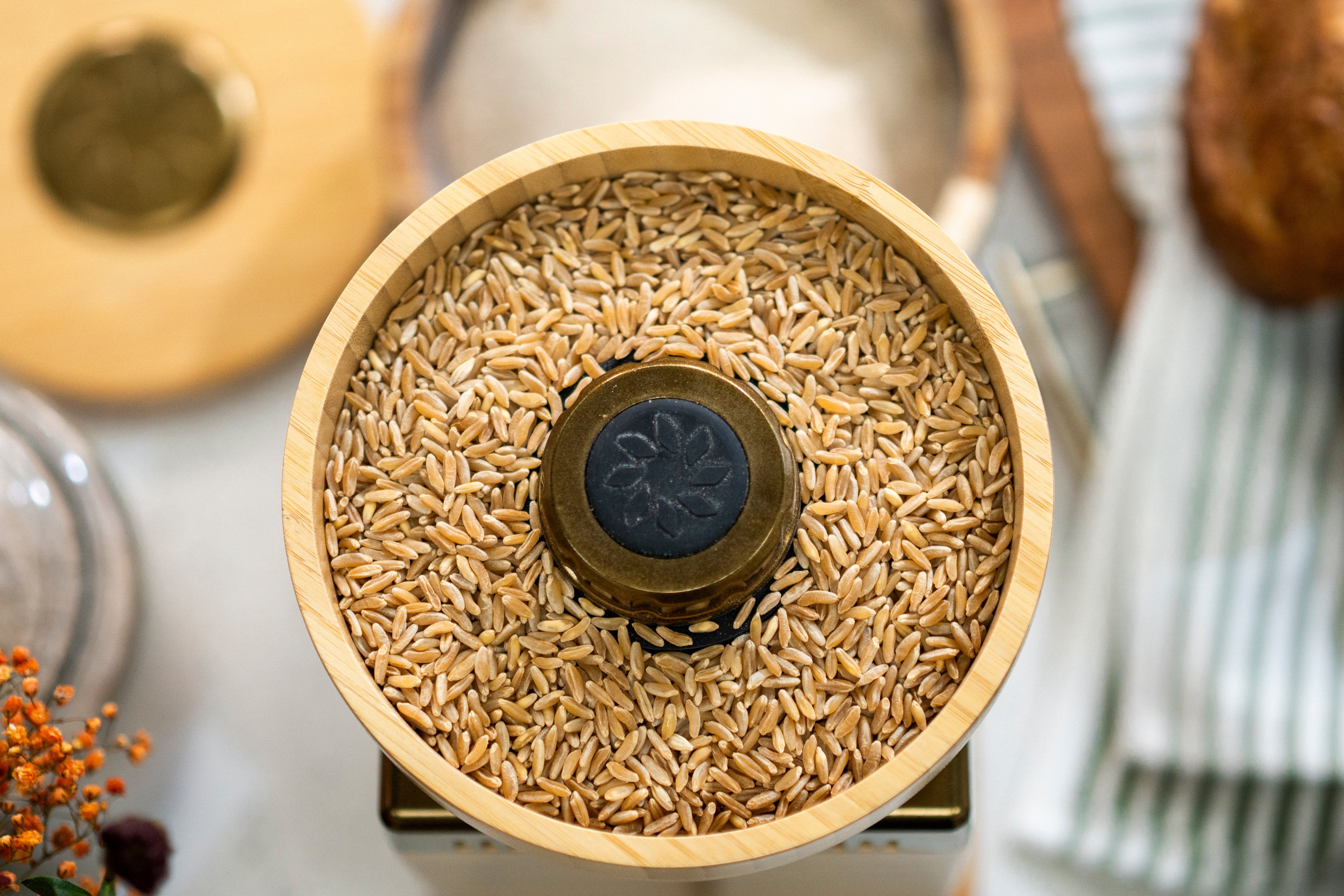
La farine fraîchement moulue : un tournant pour la boulangerie maison
Bienvenue dans le monde de la pâtisserie maison, où le secret de la miche de pain parfaite ou de la pâtisserie alléchante pourrait bien résider dans un ingrédient simple mais révolutionnaire : la ...
Impact Grain Mill




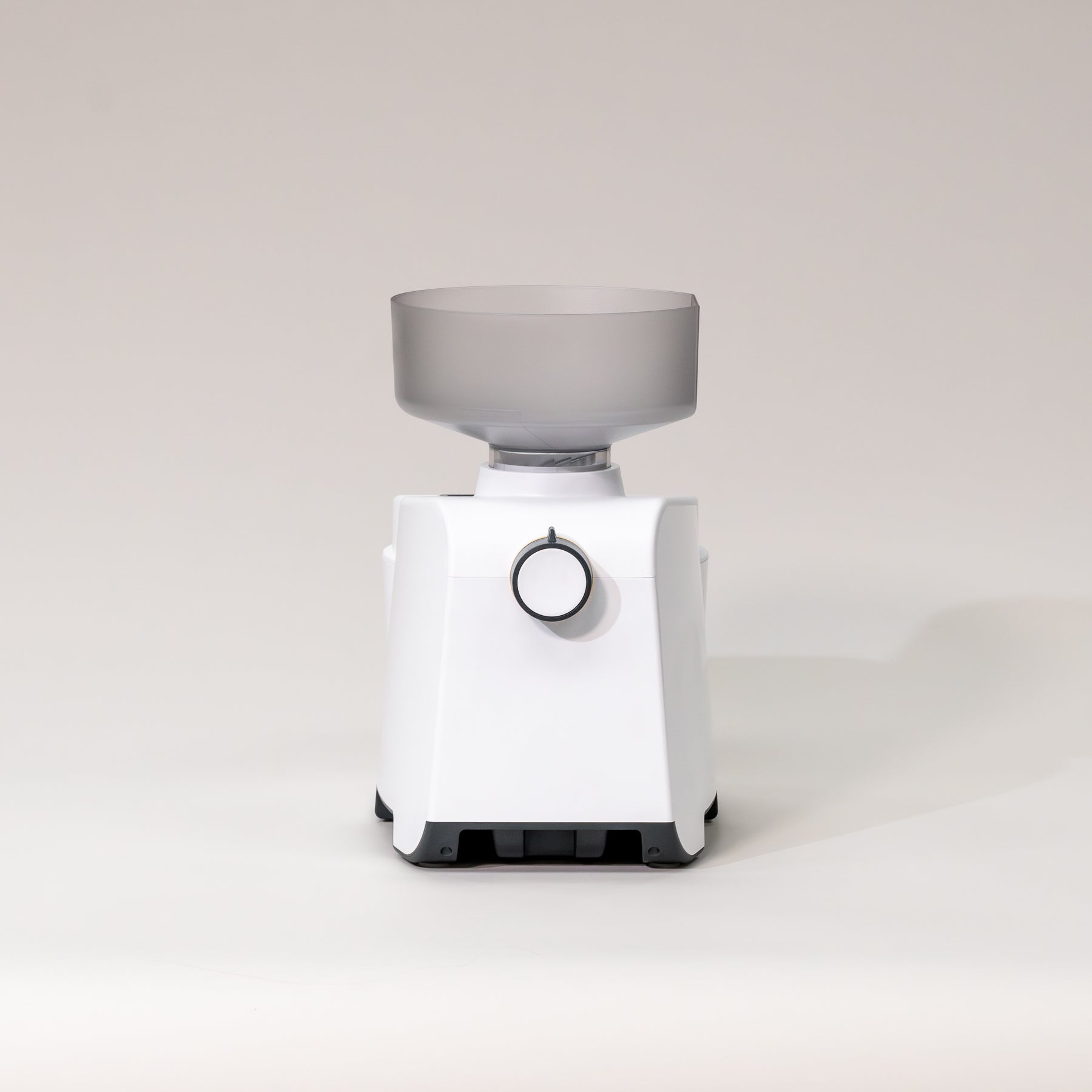
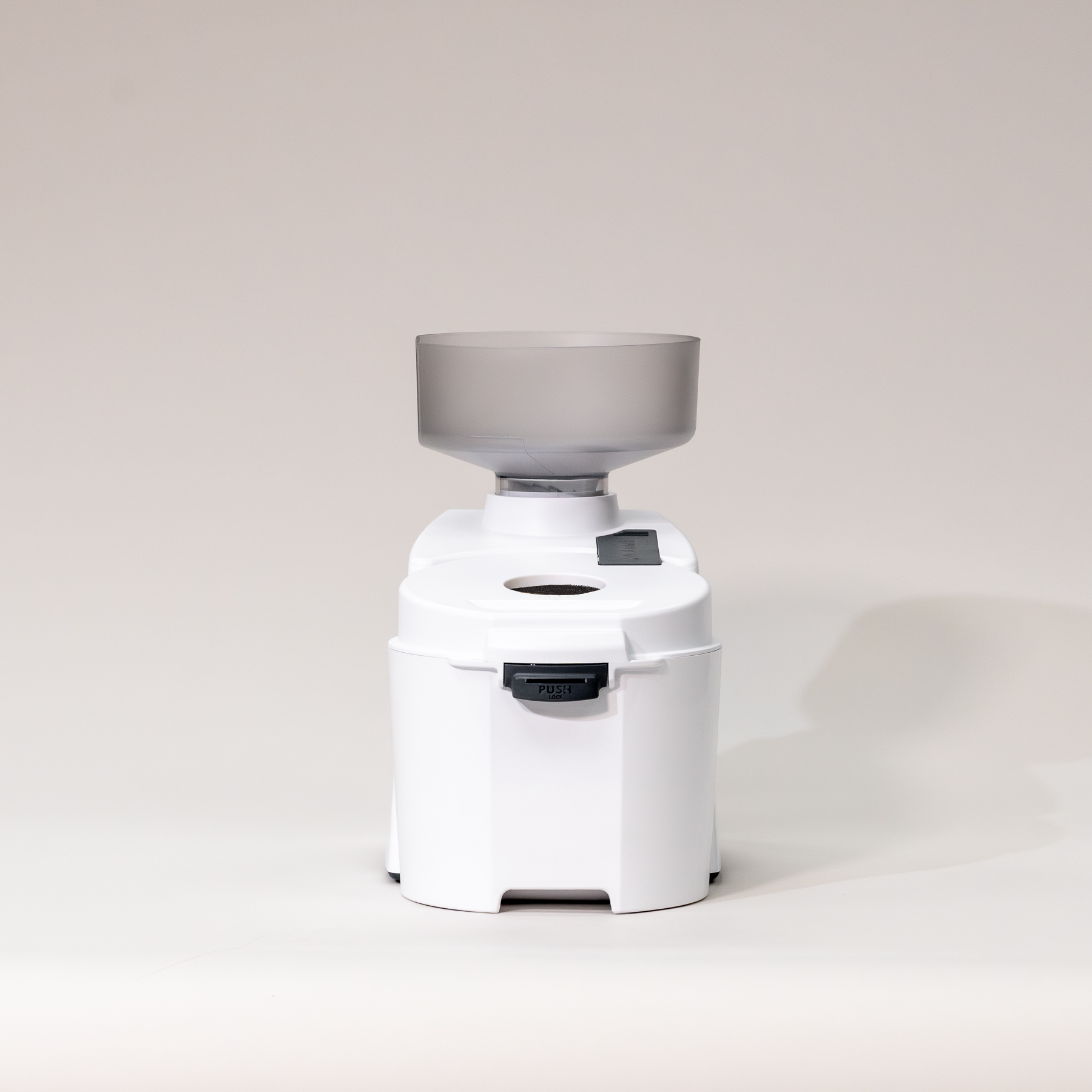
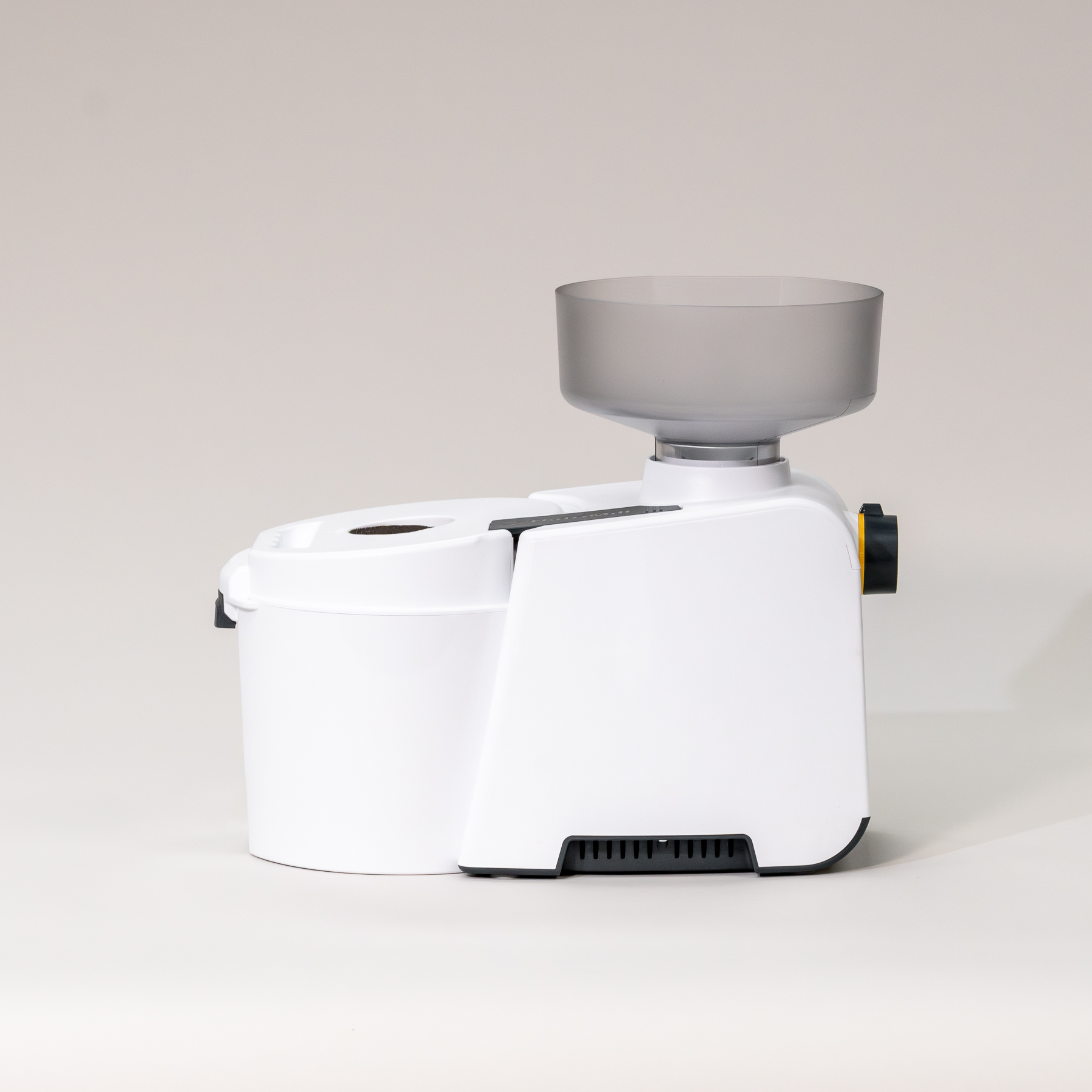

Le moulin à farine à pain ultime
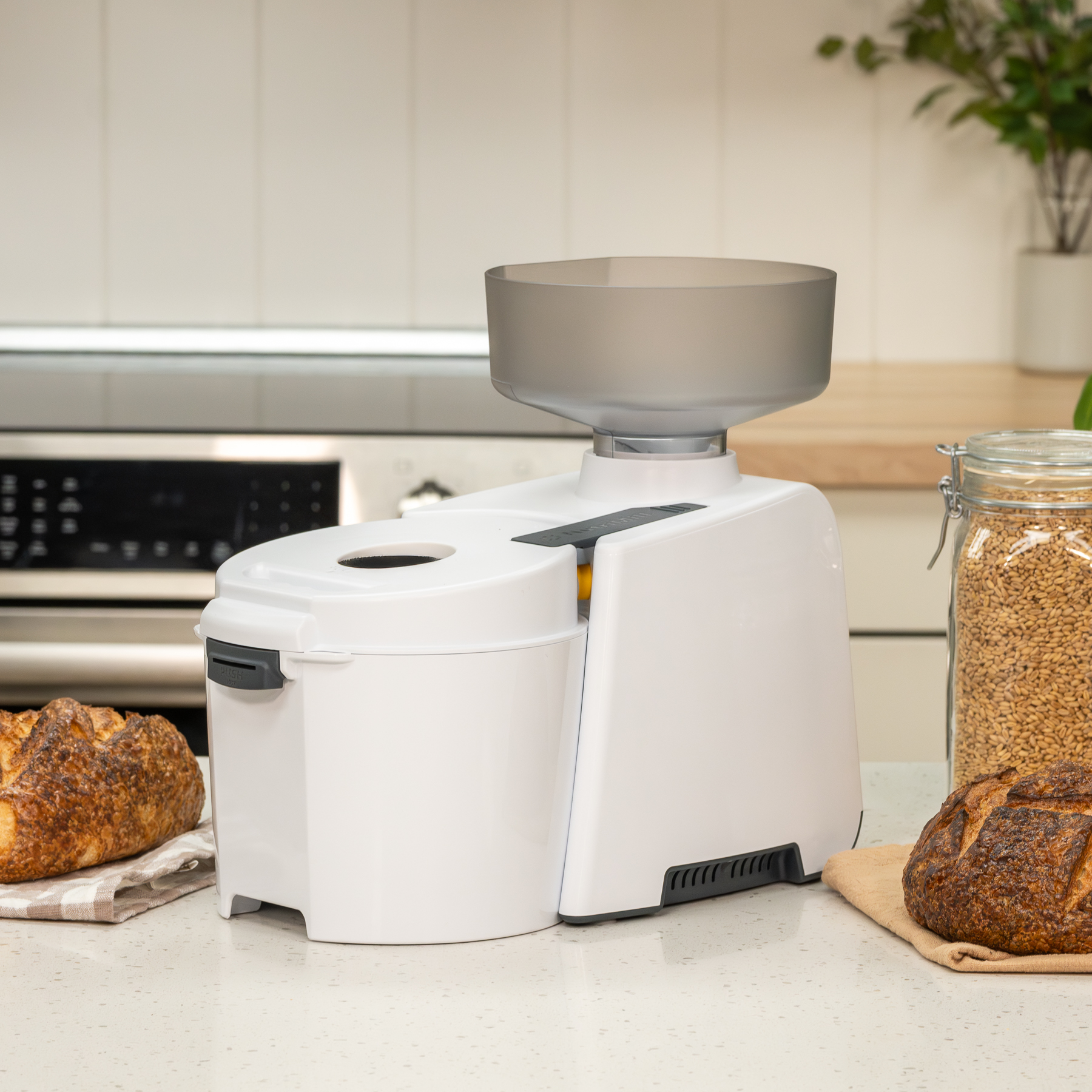
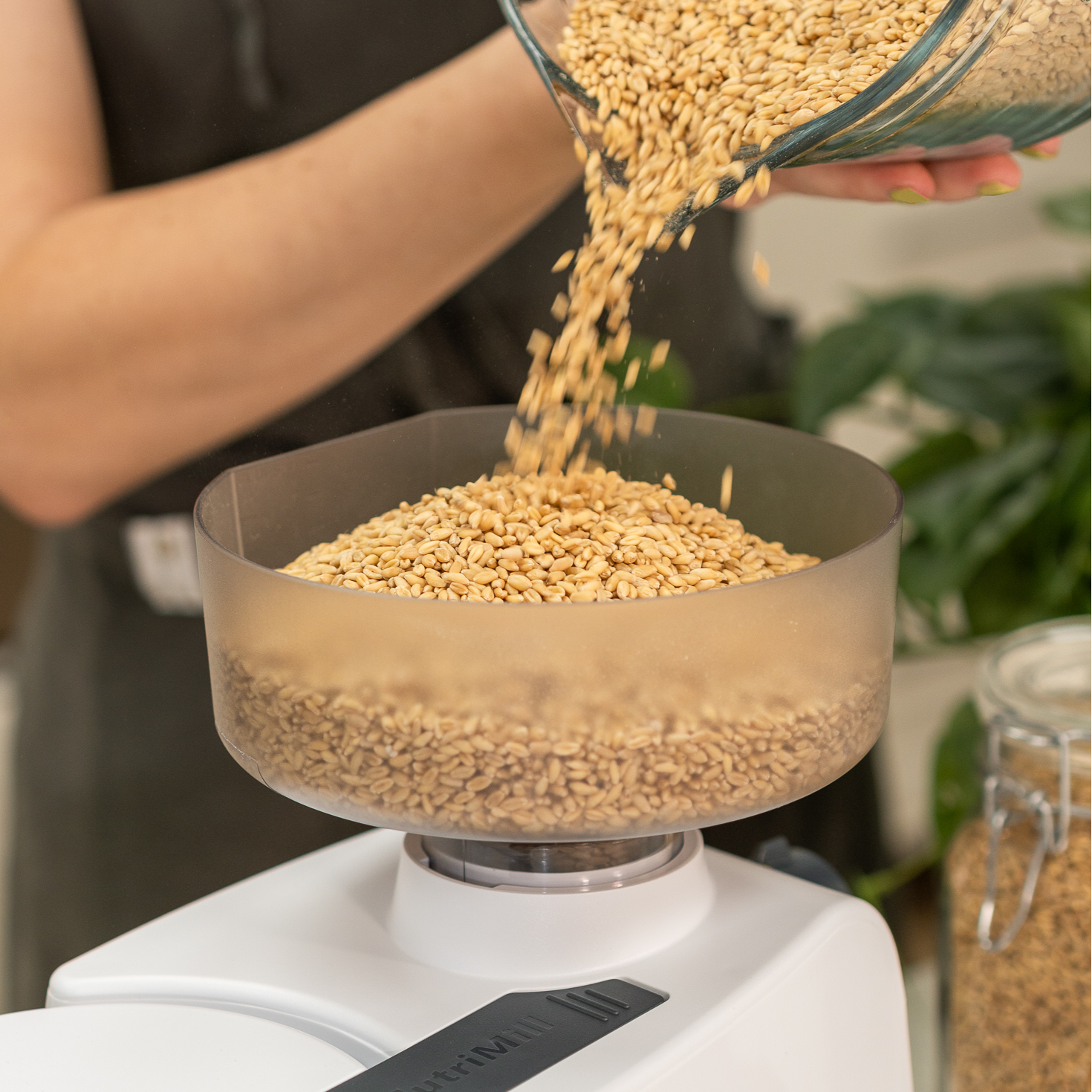
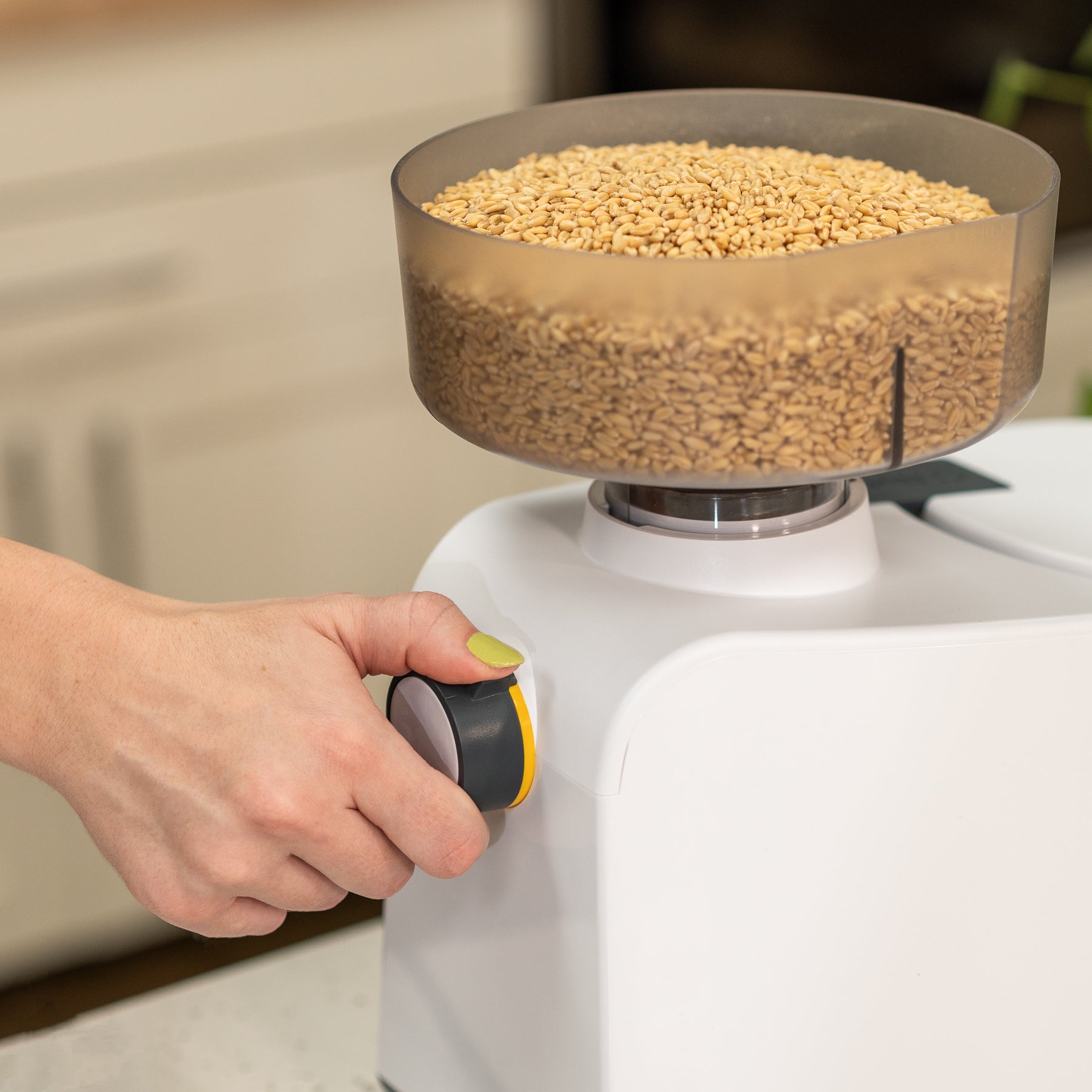
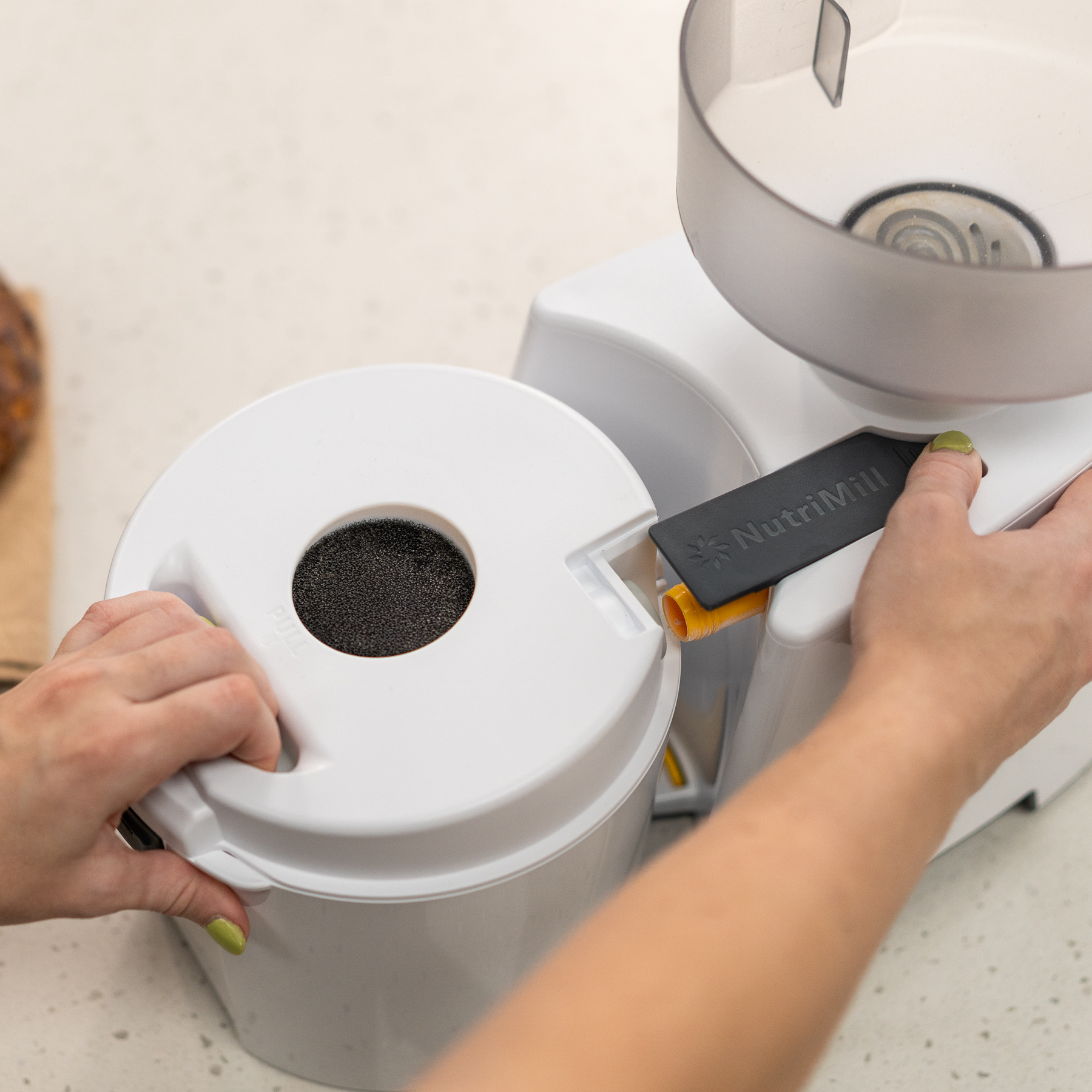
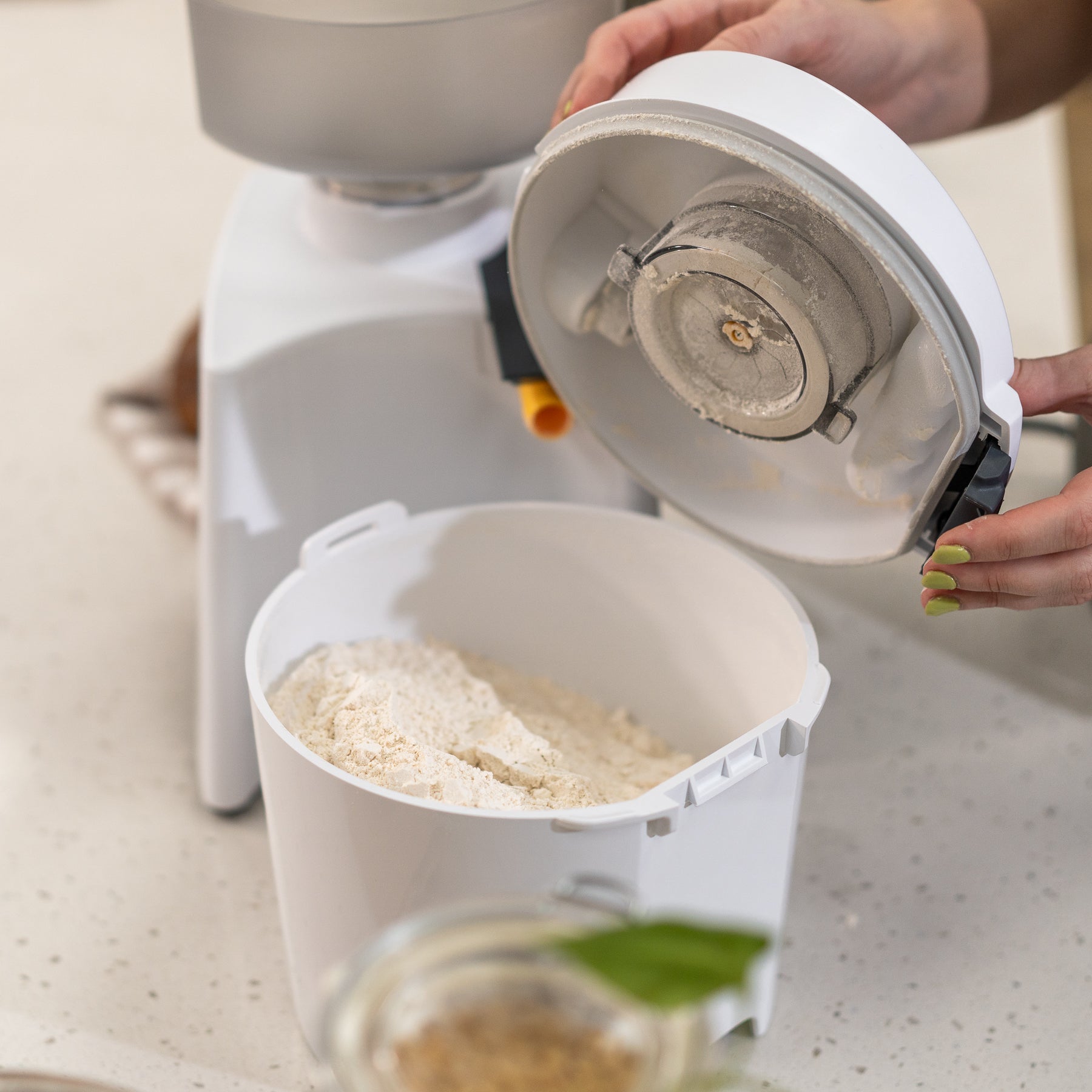
Pour les boulangers passionnés, le moulin à grains NutriMill Impact offre le mélange parfait de performance, de taille et de prix abordable. Conçu avec une technologie de mouture à impact avancée, il garantit la consistance et la qualité précises nécessaires à vos pains préférés, assurant la réussite de chaque cuisson.
Pourquoi la mouture à impact ?
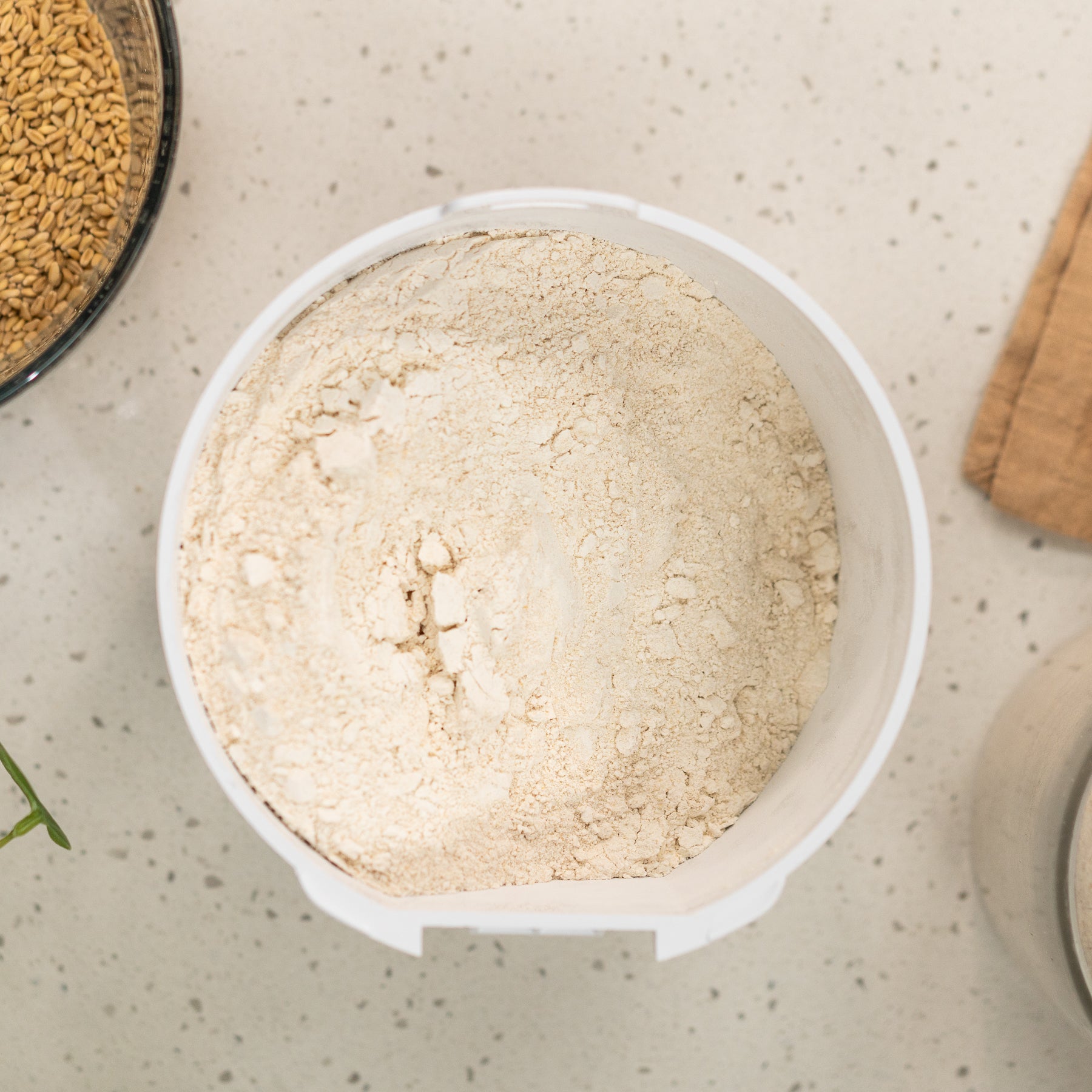
La mouture à impact produit une farine constante et de haute qualité, essentielle pour obtenir un pain parfait. Le moulin à grains NutriMill Impact est spécialement conçu pour produire une farine avec la texture et les propriétés idéales pour la fabrication du pain, garantissant une pâte qui lève magnifiquement et un pain doux, savoureux et parfaitement texturé.
Conçu pour l'excellence de la farine à pain
Que vous mouliez du blé dur pour un pain complet robuste ou du blé tendre pour des pains de mie, le moulin à grains NutriMill Impact garantit des résultats précis et constants. Il est compact, abordable et parfait pour les meuniers et les boulangers débutants qui souhaitent améliorer leur fabrication de pain sans se ruiner.
Compact et abordable
Plus petit en taille, mais puissant en performance, ce moulin à grains est le choix idéal pour ceux qui débutent dans la mouture ou la boulangerie. Son prix d'entrée de gamme le rend accessible à tout boulanger amateur souhaitant créer une farine fraîche et de haute qualité sans sacrifier l'espace ou le budget.
Whisper Mill®
La mouture ne doit pas nécessairement remplir votre cuisine de bruit. Conçu avec la technologie Whisper Mill®, le moulin à grains NutriMill Impact fonctionne sensiblement plus silencieusement que les anciens modèles de moulins à grande vitesse, réduisant les décibels de fonctionnement sans sacrifier la vitesse et les performances sur lesquelles vous comptez.
Récupération disponible à NutriMill
Habituellement prête en 2 heures
Moulin à céréales à percussion
NutriMill
4196 S 950 E
Saint George UT 84790
États-Unis
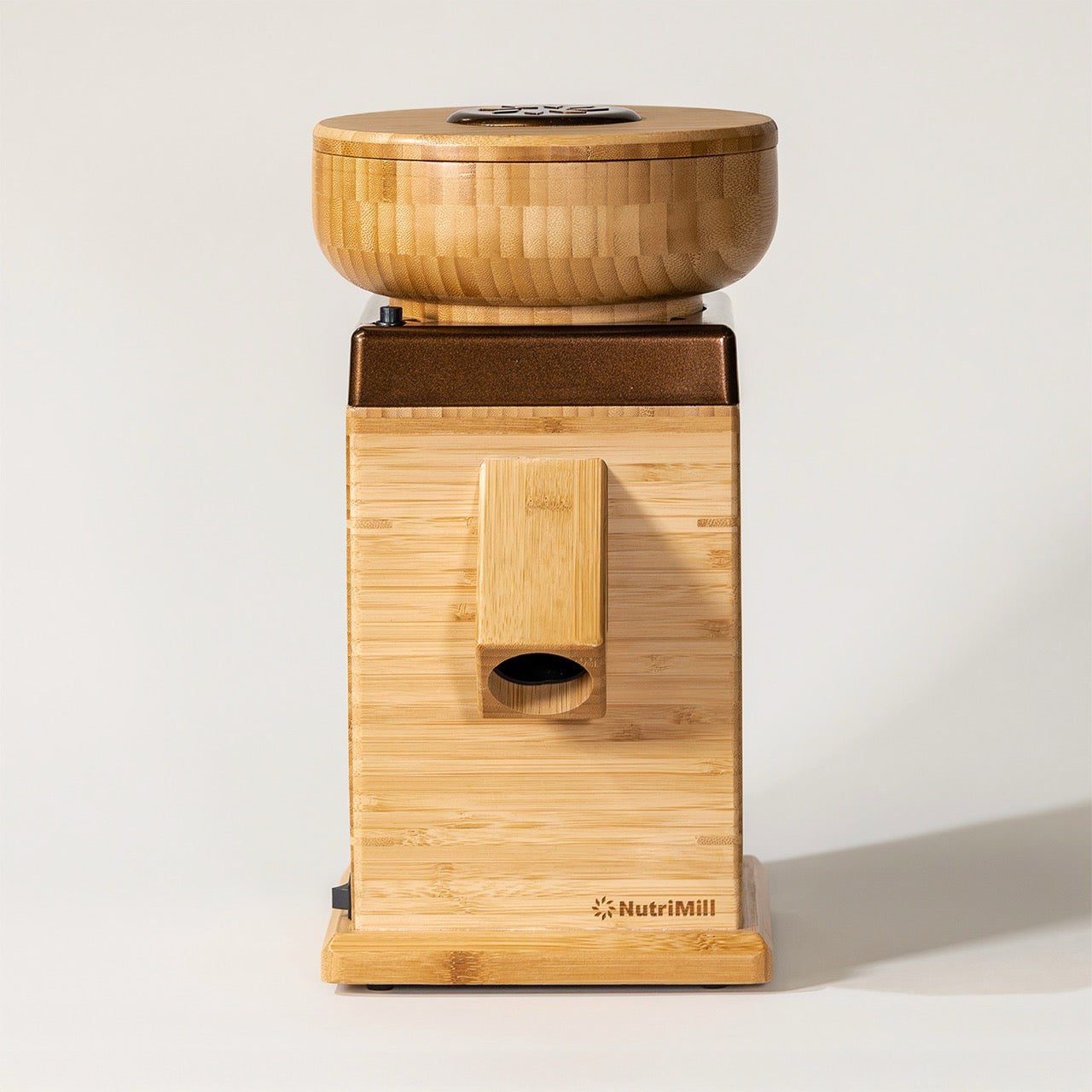
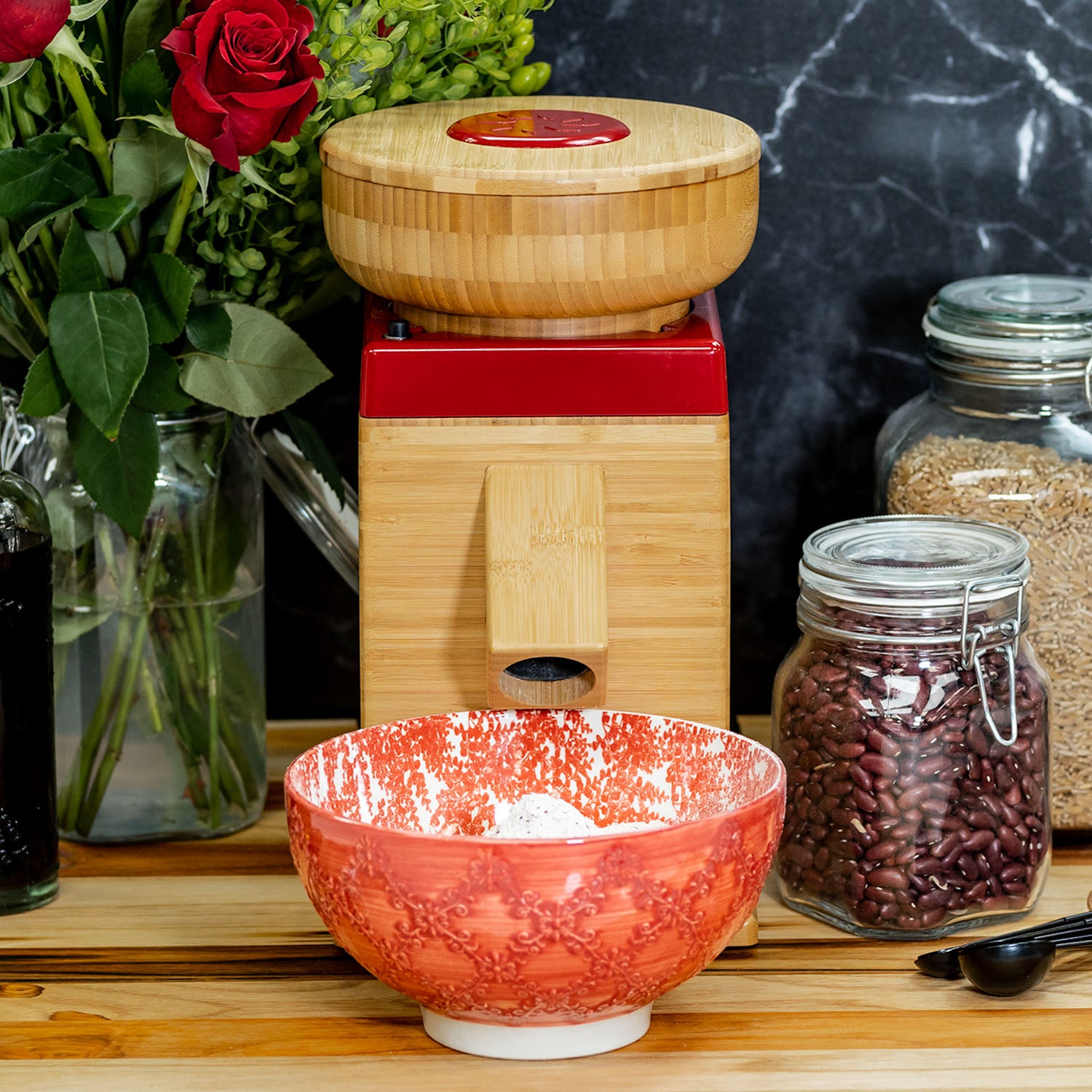
Harvest Grain Mill




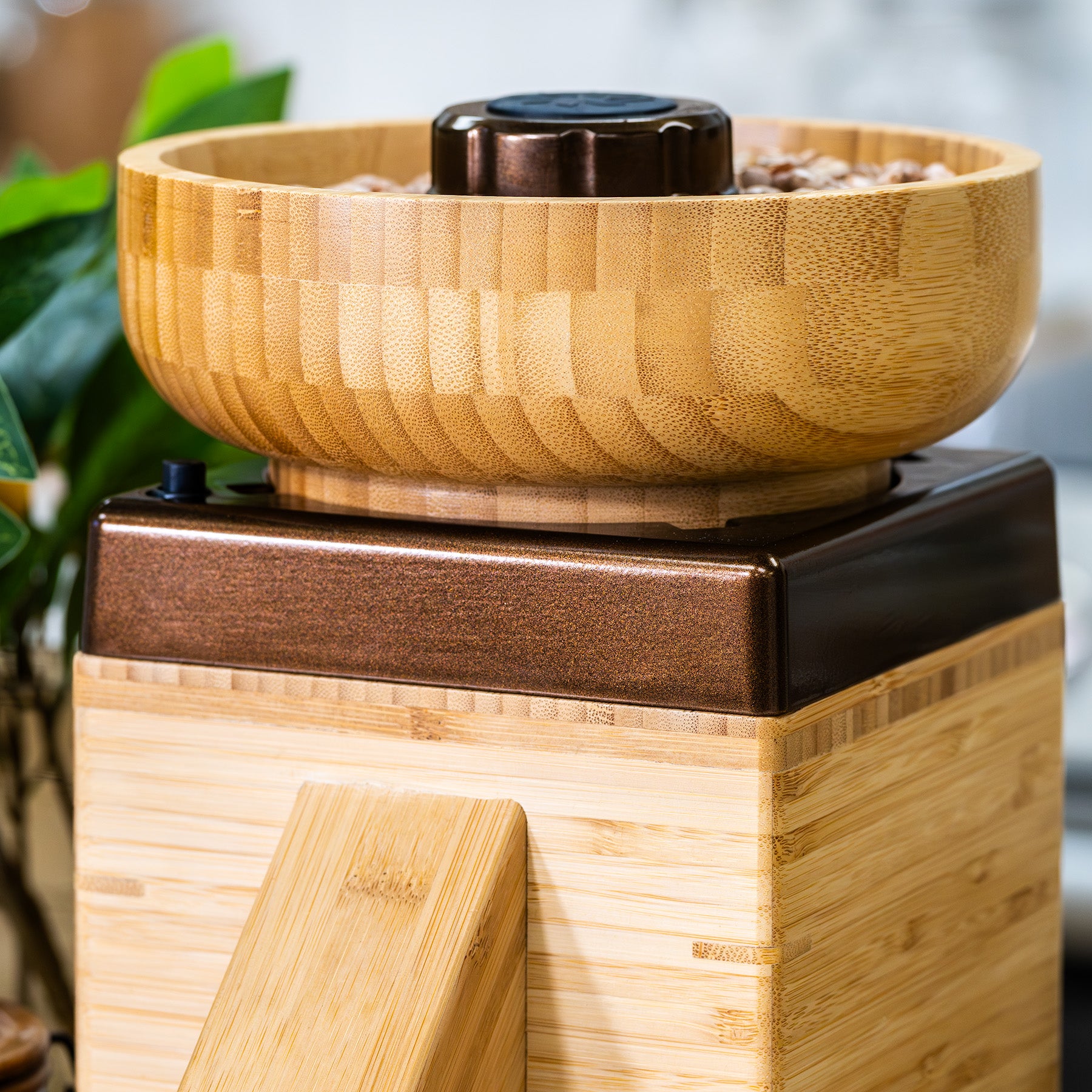
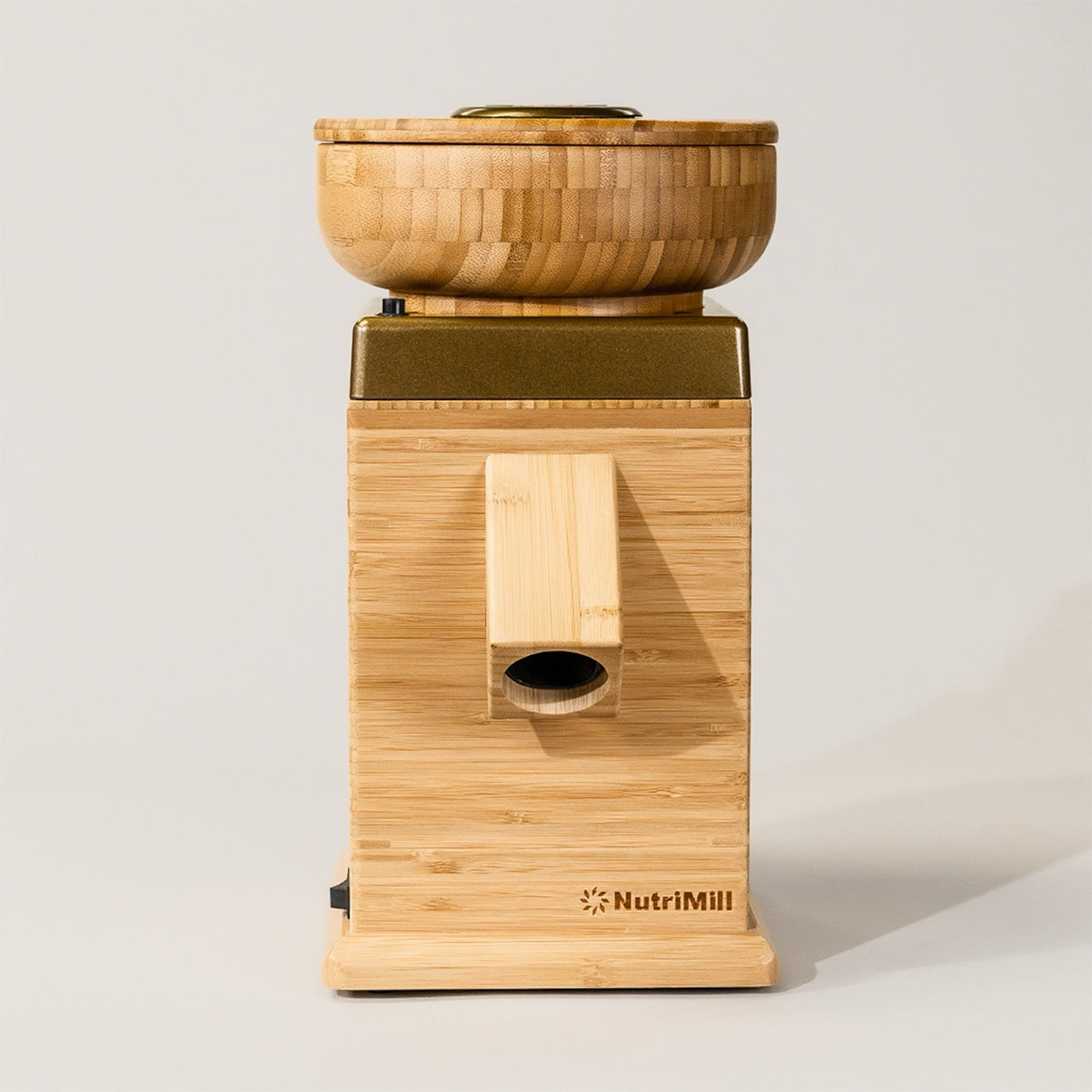
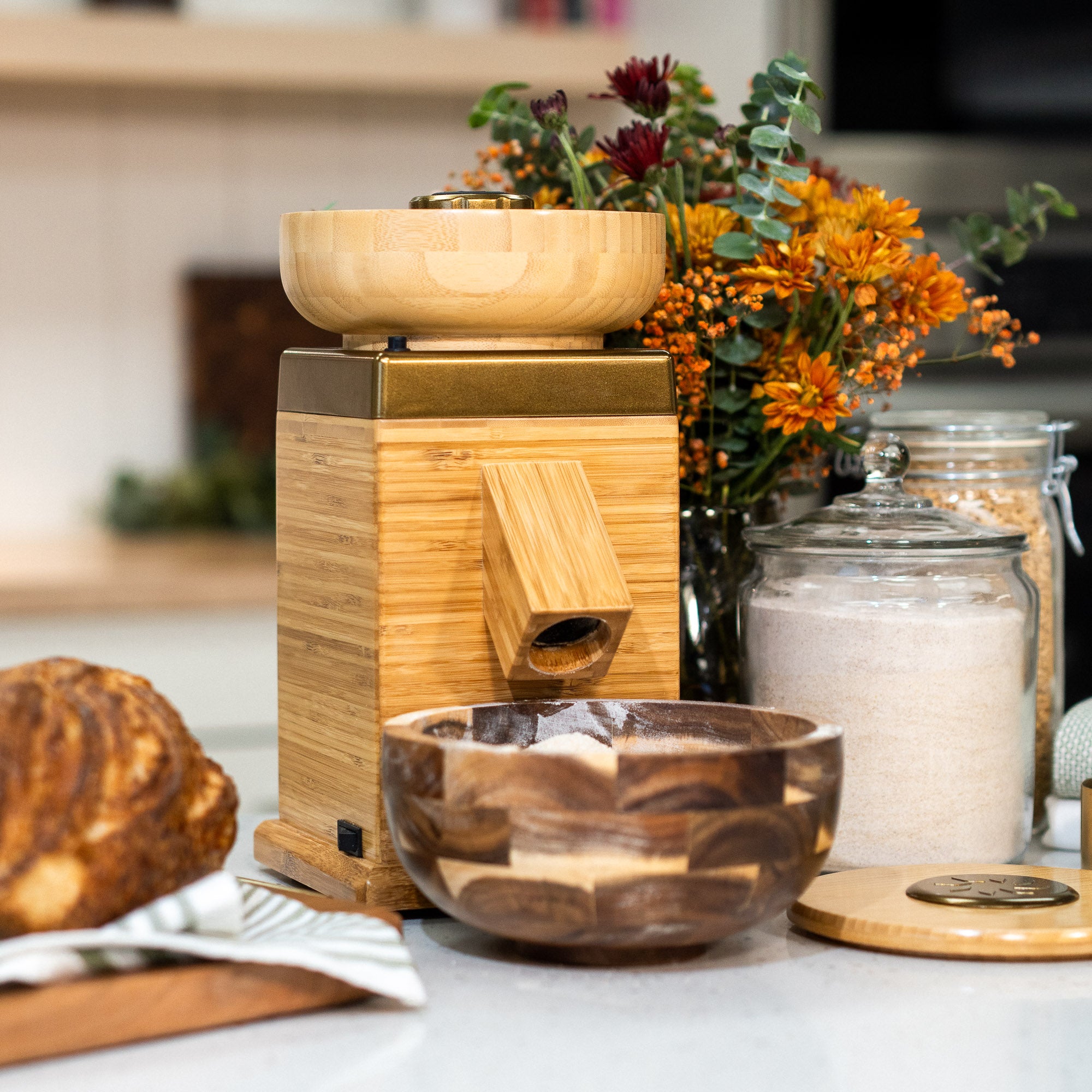
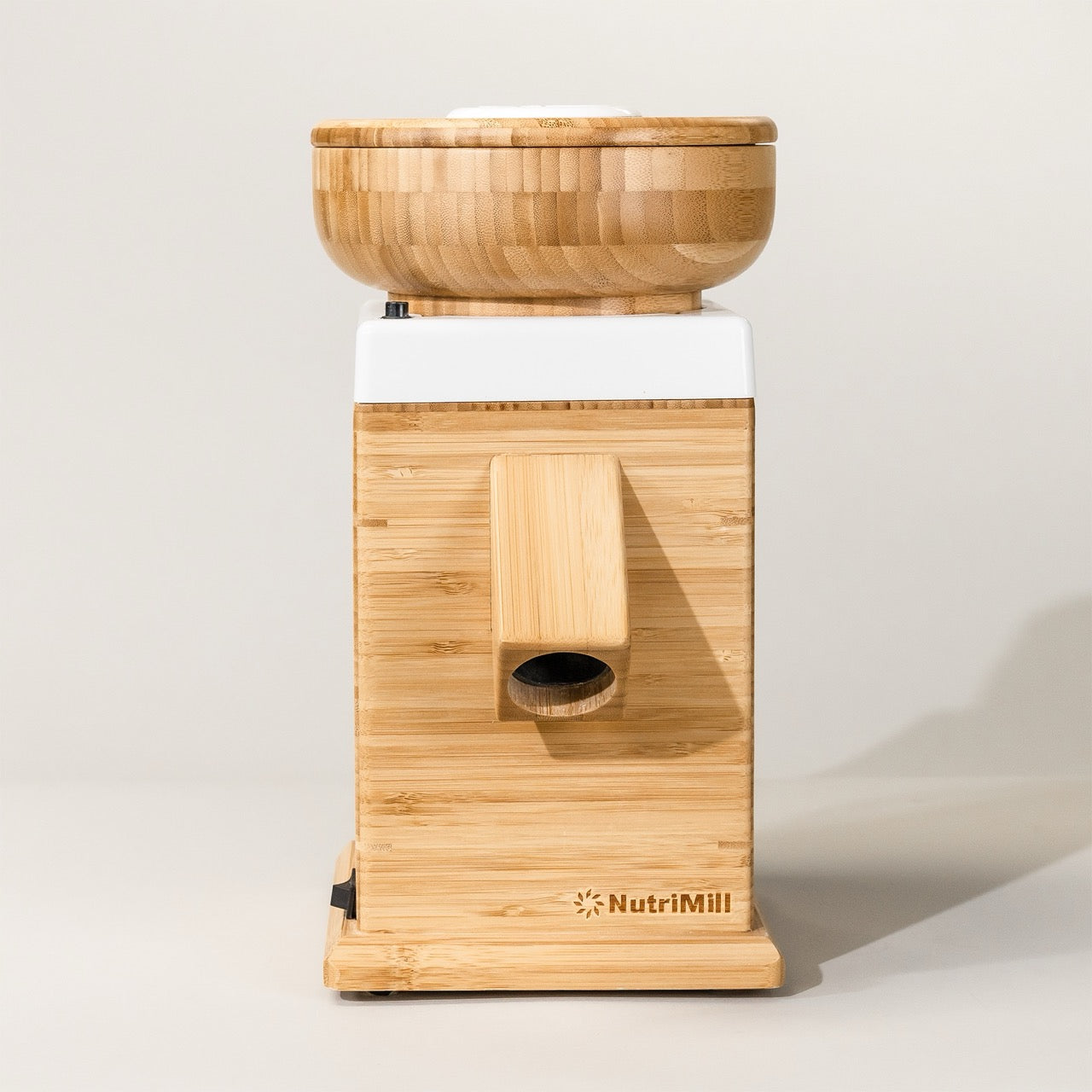
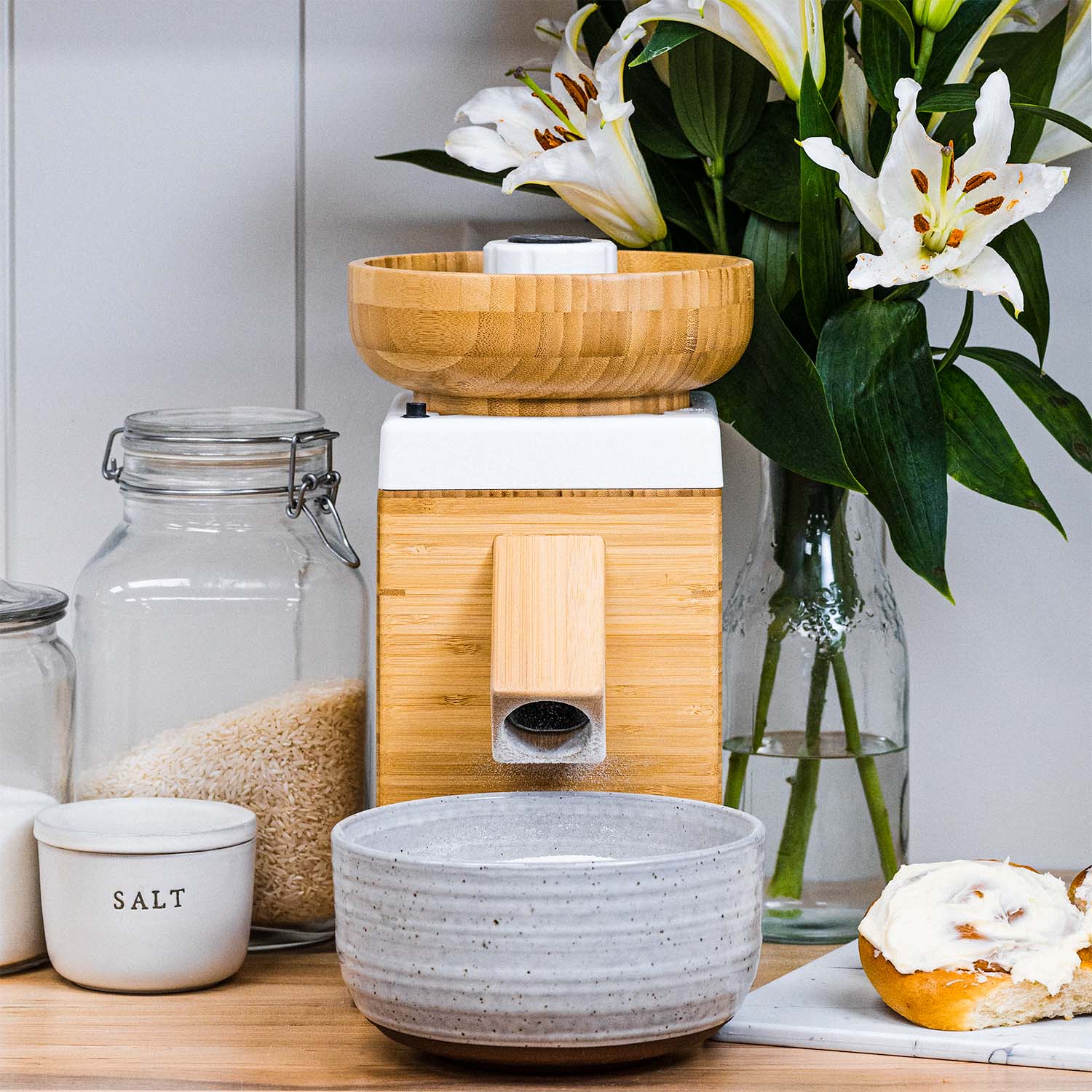

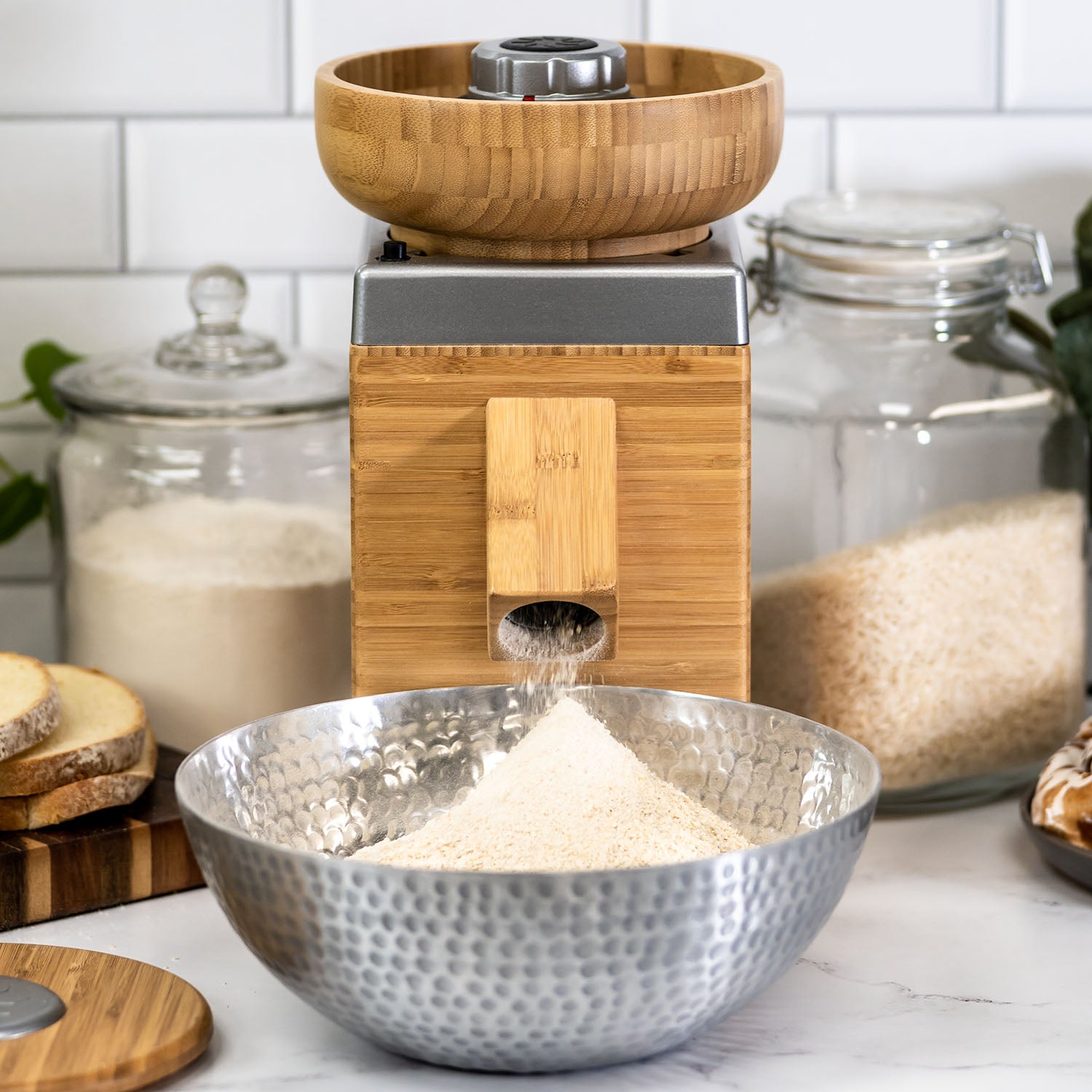

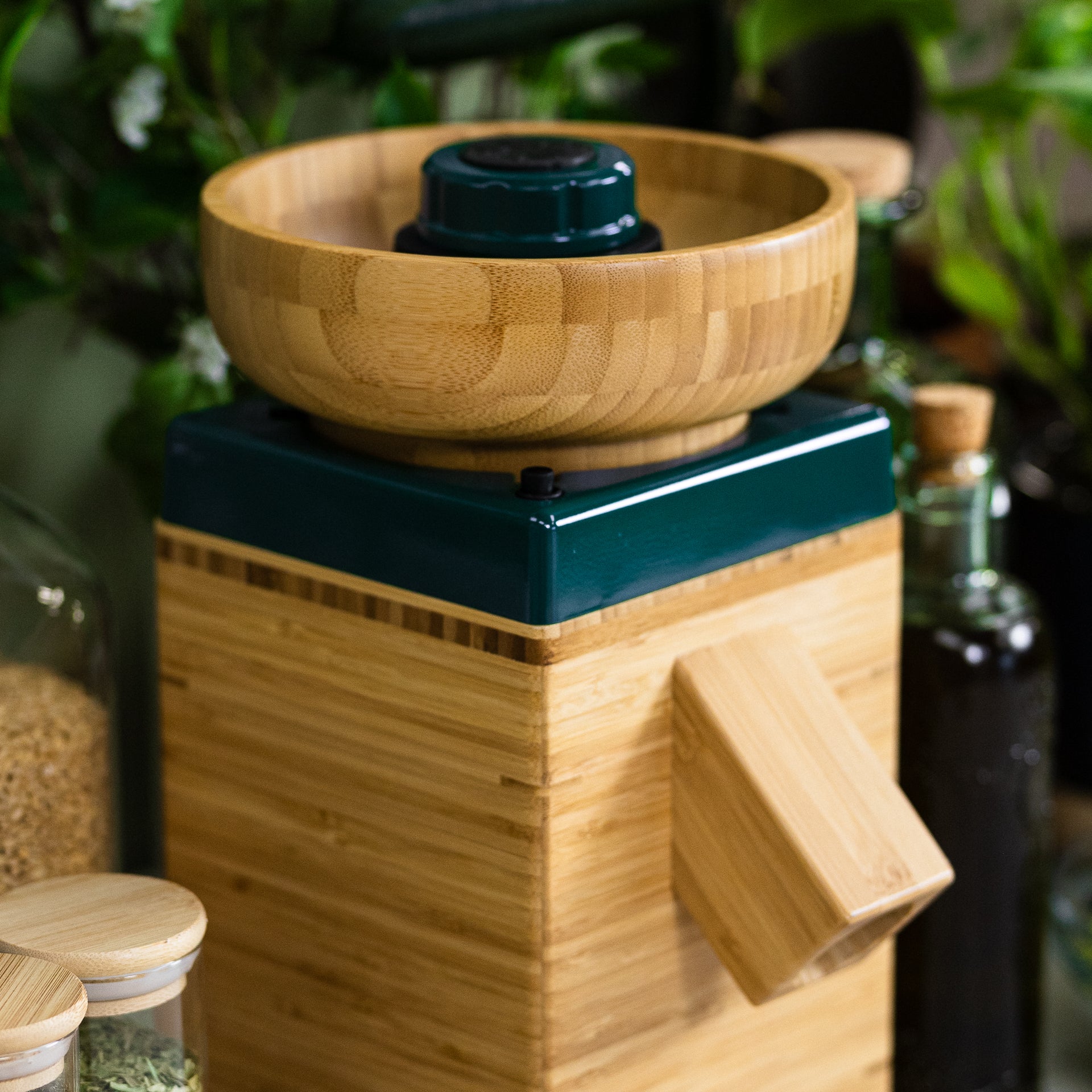
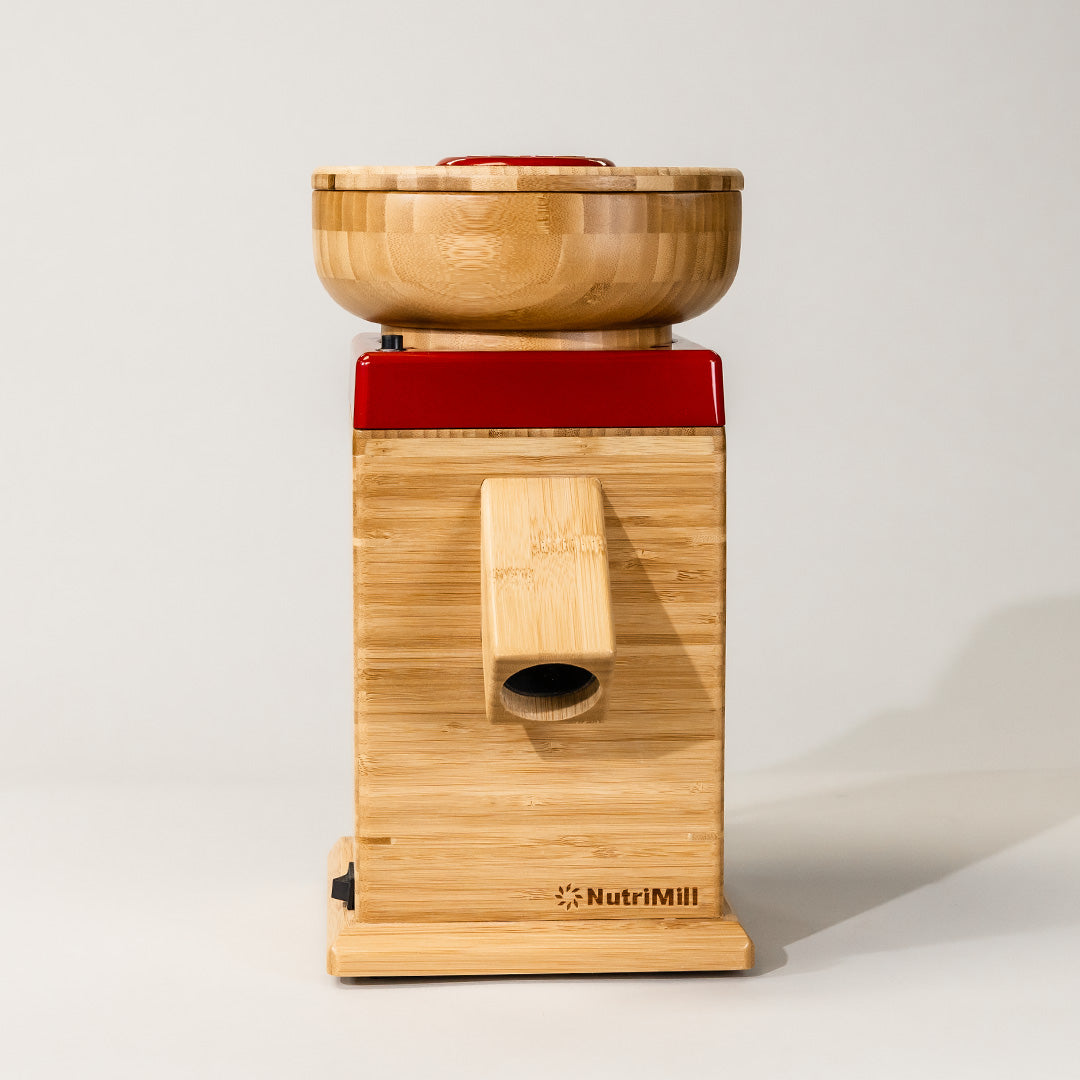
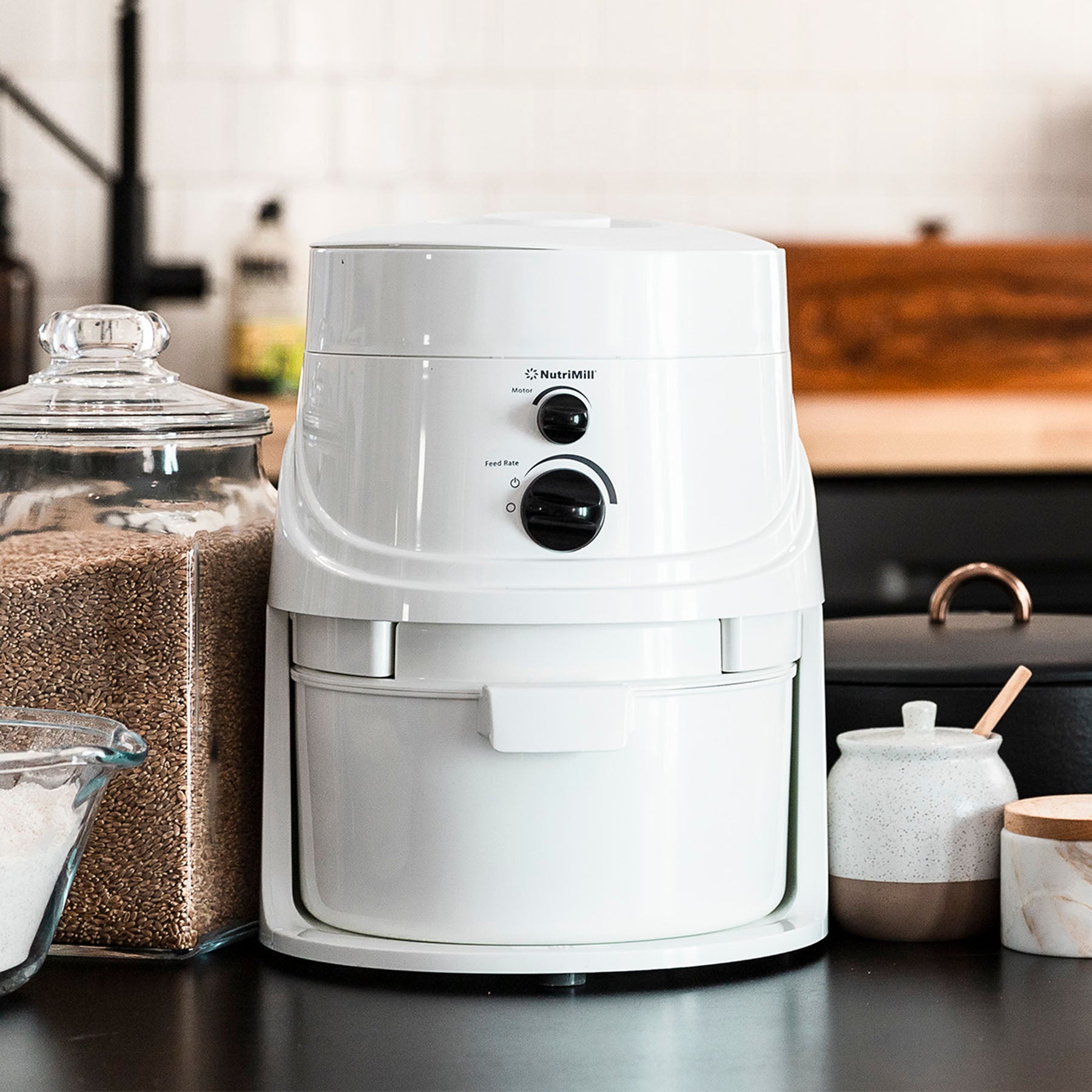
Classic Grain Mill


Homemade Matters®
Le moulin à céréales à grande vitesse le plus fiable depuis plus de 25 ans
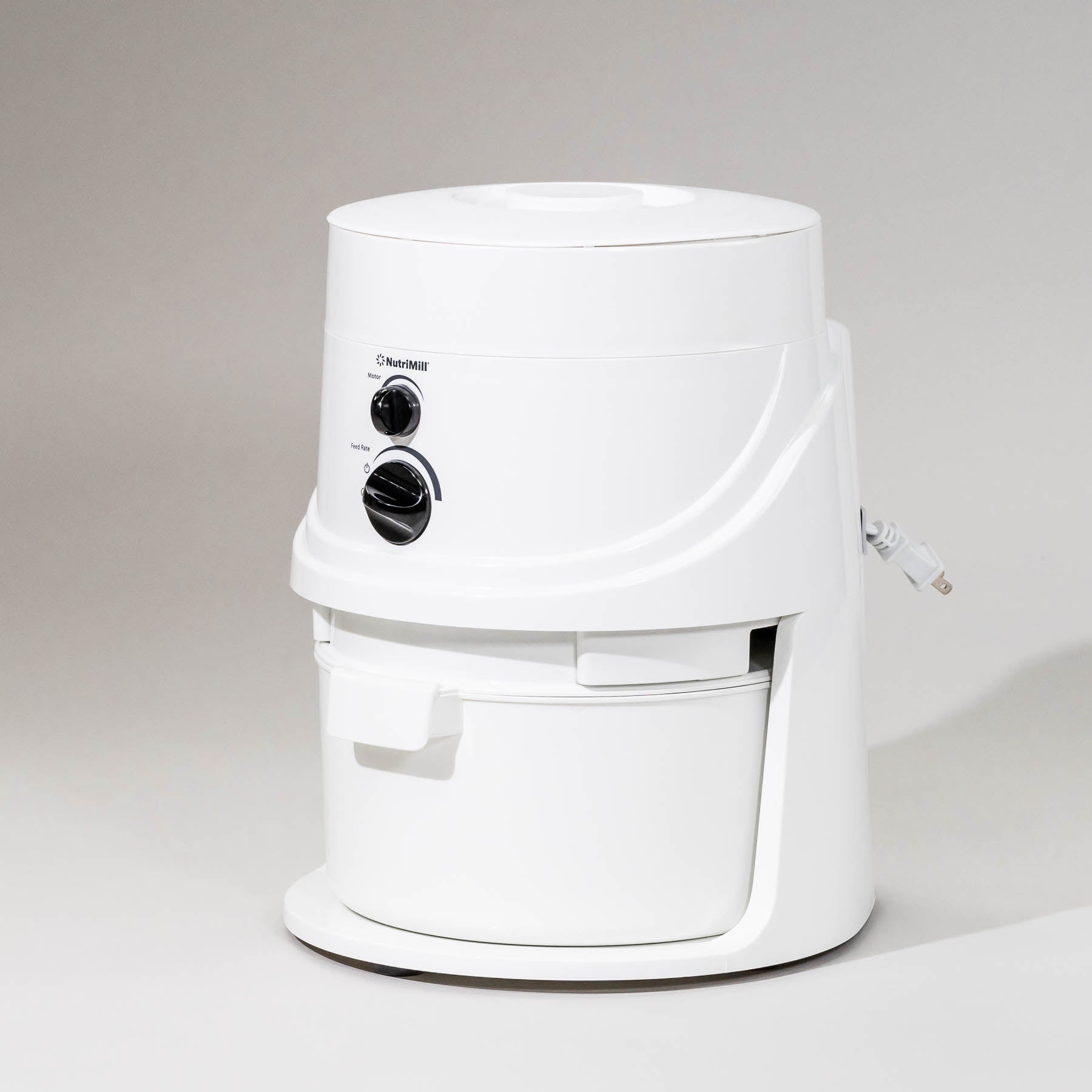
Le NutriMill Classic est le moulin le plus vendu depuis plus de 20 ans, utilisé et apprécié par les boulangers amateurs depuis plus de deux décennies. Avec ses performances de mouture puissantes, ses commandes intuitives et ses améliorations bien pensées qui le distinguent des anciens modèles de moulins à impact, le Classic fournit de la farine fraîche rapidement, proprement et de manière fiable.
De la farine fraîche, à votre façon, tous les jours
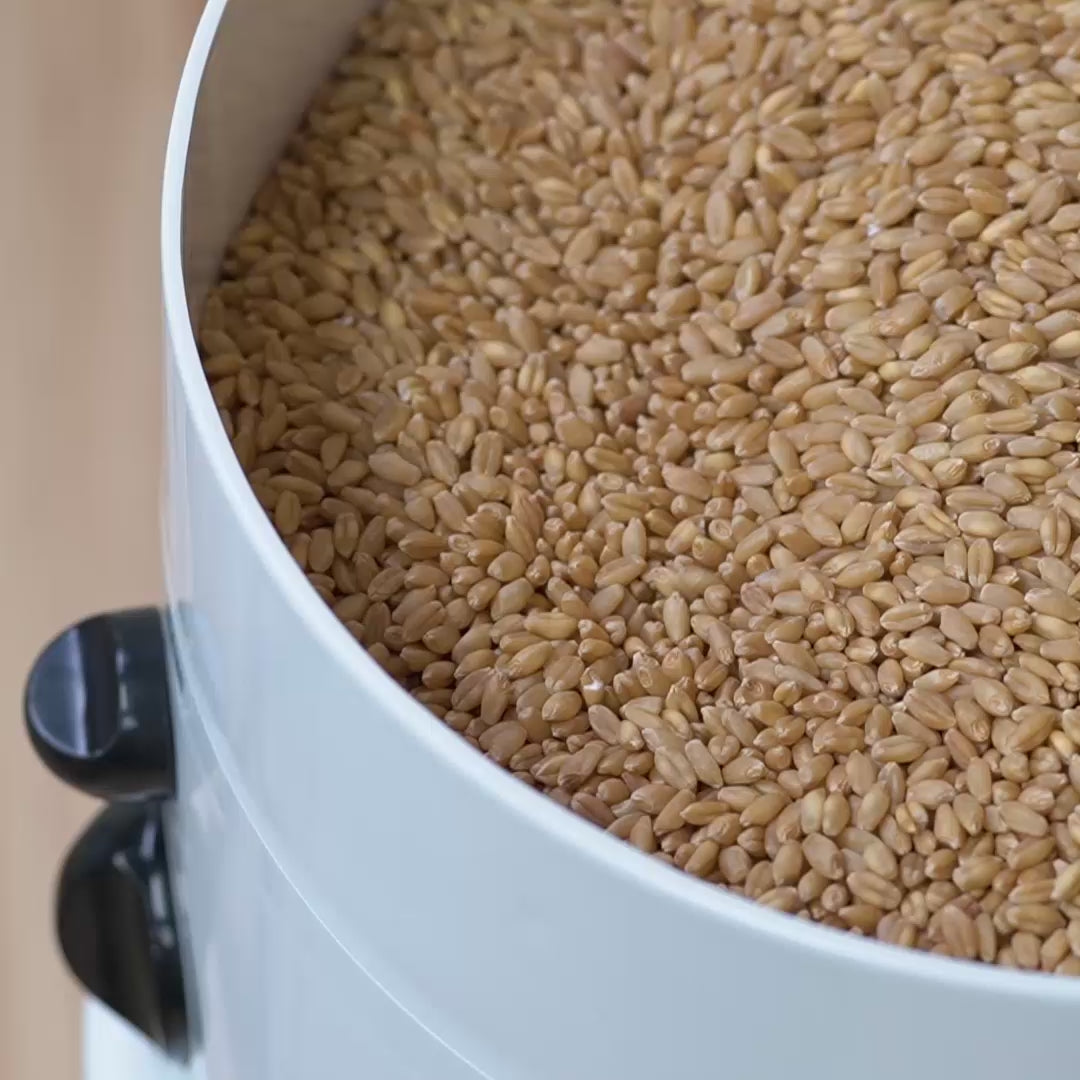
Que vous moulez du blé pour du pain fait maison ou que vous prépariez de la farine fraîche pour la cuisson sans gluten, le Classic facilite la mouture d'une grande variété de céréales, de haricots et de légumineuses non oléagineux avec rapidité et précision. Ses commandes de texture variables vous permettent d'affiner votre farine, du plus fin au plus grossier, à l'aide des cadrans de commande conçus spécifiquement pour la mouture à impact à grande vitesse.
Puissant
Un moteur de 10 ampères et 1¾ chevaux alimente la chambre d'impact à grande vitesse (microniseur) du Classic, utilisant des têtes de mouture en acier inoxydable pour produire jusqu'à 20 tasses de farine à la fois. Sa conception de flux d'air récemment améliorée maintient également les températures de la farine autour de 48°C, protégeant les nutriments pendant la mouture et en faisant le moulin à impact le plus froid du monde.
Réglable
Le NutriMill Classic vous donne un contrôle total sur la texture de votre farine. Avec une plage de réglage de 400 %, vous pouvez moudre très finement (plus finement que tout autre moulin à impact) ou des textures plus grossières idéales pour les cuissons rustiques. C'est 10 fois plus de plage de texture que les moulins à impact précédents, parfait pour tout, des pains de mie moelleux aux pains de maïs copieux.
Pratique
- Céréales d'abord, alimentation ensuite – Grâce à sa chambre d'impact redessinée, vous pouvez remplir la trémie en toute sécurité avant d'allumer le moulin sans qu'il ne se bouche.
- Fonctionnalité de redémarrage automatique – Le Classic redémarre sans effort sans se bloquer si vous mettez la mouture en pause.
- Têtes de mouture autonettoyantes – La chambre interne se nettoie d'elle-même pendant la mouture.
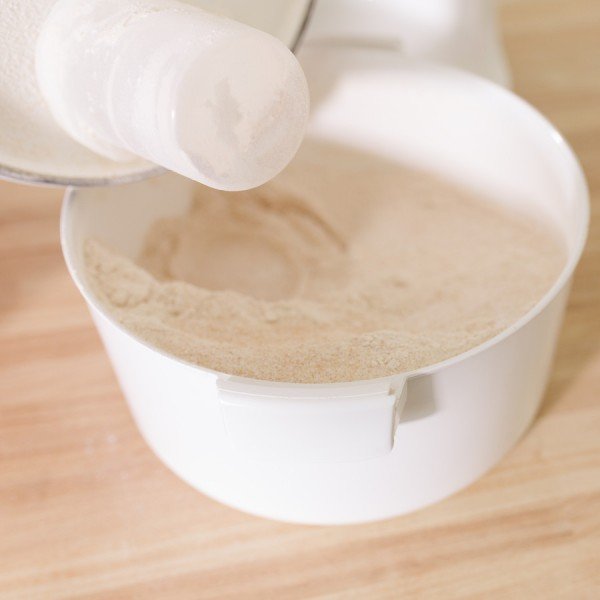
- Conception sans poussière – La mouture est propre et contenue grâce à un bac à farine et une trémie à céréales parfaitement assortis.
- Compact et portable – Des poignées faciles à prendre en main et une conception monobloc facilitent le déplacement et le rangement.
Efficace par conception
Tout dans le NutriMill Classic est optimisé pour une utilisation domestique fréquente et sans dégâts, de son fonctionnement fluide et de sa grande capacité de production à son flux d'air moderne et à ses fonctions de nettoyage. Que vous moulez une fois par semaine ou tous les jours, la farine fraîche fait partie de votre style de vie sans ajouter de stress à votre cuisine.
Product Resources
Videos, Guides, and More